India Sends Additional 11 Tonnes of Aid to Flood‑Stricken Nepal
A fourth Indian relief flight delivered 11 tonnes of supplies and sent engineering teams to assist with bridge and tunnel reconstruction in Nepal after devastating floods.
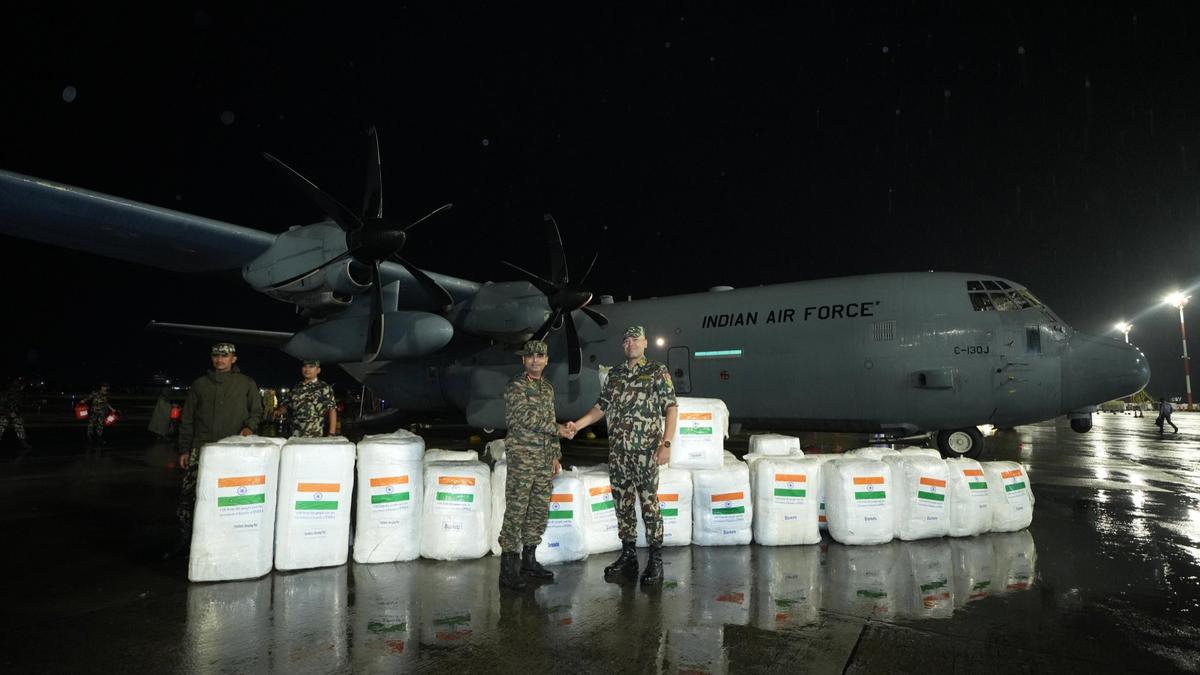
India’s Ministry of External Affairs announced that a fourth humanitarian flight touched down in Kathmandu on Sunday, bringing an extra 11 tonnes of relief material for flood‑stricken communities. The aircraft is part of a series of missions that have already delivered a cumulative 68.5 tonnes of assistance since the monsoon‑driven floods began sweeping across Nepal’s central and eastern regions.
The latest cargo includes essential items such as food rations, medical kits, temporary shelter kits and clean‑water equipment, aimed at supporting families displaced by landslides and river overflow. Officials said the supplies are being distributed through local disaster‑relief committees, with priority given to the most severely affected districts of Sindhuli, Dolakha and Makwanpur.
Beyond material aid, India has dispatched a specialised team of civil‑engineers to address critical infrastructure gaps. The experts are equipped to construct Bailey bridges—modular, quickly assembled structures—over washed‑out river crossings, and to provide tunnel‑rehabilitation guidance for mountain routes that have been compromised by landslides. These engineering interventions are intended to restore vital transport links that connect remote villages to markets and health facilities.
The collaborative effort underscores the long‑standing disaster‑response partnership between the two neighbours. Nepal’s disaster management authority welcomed the continued support, noting that the rapid deployment of both supplies and technical expertise is helping to stabilise the situation while longer‑term recovery plans are being formulated.
As monsoon rains persist, both governments are monitoring river levels and coordinating additional relief operations. The focus remains on delivering immediate assistance, rebuilding critical infrastructure, and ensuring that affected communities receive the support needed to recover from one of the worst flood events in recent memory.