Modi and Mirziyoyev deepen ties with joint drive in Tashkent
India's prime minister and Uzbekistan's president travelled together in a motorcade, underscoring expanding cooperation between the two nations.
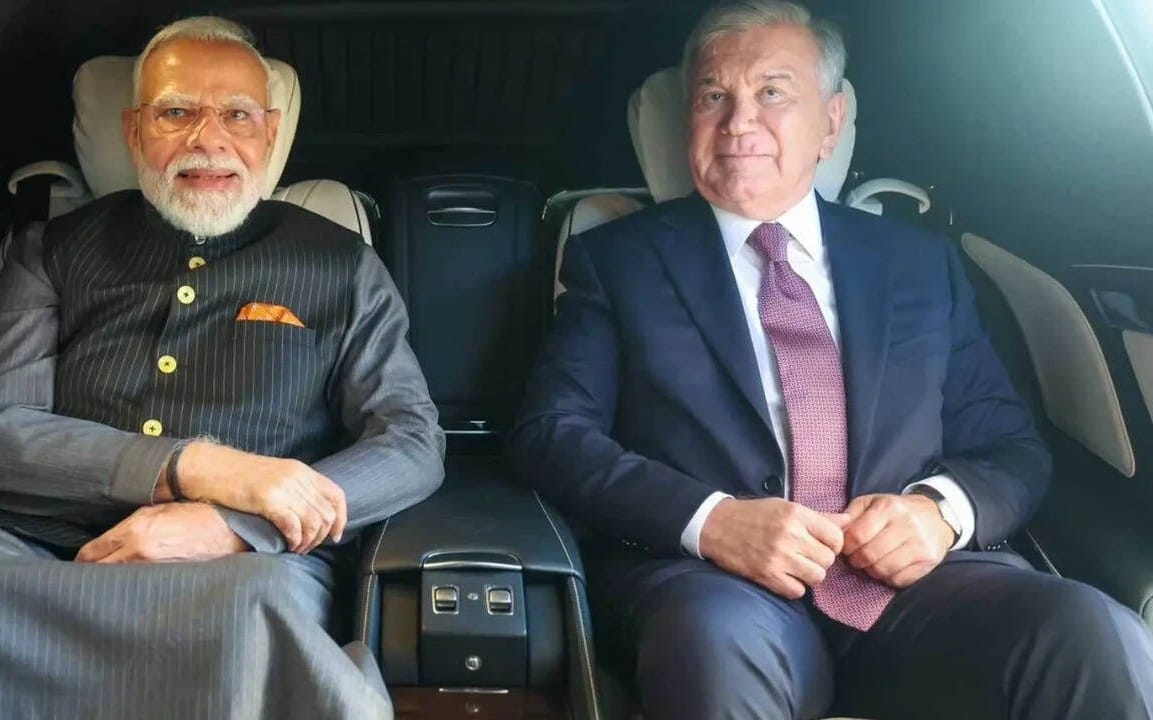
New Delhi's prime minister arrived in Uzbekistan's capital on a high‑profile visit that highlighted the growing strategic partnership between the two countries. He was greeted at the airport by President Shavkat Mirziyoyev, and the two leaders then shared a short car ride to the presidential palace, a gesture that symbolised the closeness of their diplomatic relationship.
During the meeting, Modi and Mirziyoyev discussed ways to boost bilateral trade, which has risen sharply in recent years, and explored new avenues for investment in sectors such as energy, pharmaceuticals and information technology. Both sides expressed a desire to deepen connectivity, with talks focusing on rail and road links that could link India more directly to Central Asian markets.
The leaders also reviewed regional security issues, emphasizing cooperation on counter‑terrorism and stability in Afghanistan. Mirziyoyev reiterated Uzbekistan's openness to Indian participation in infrastructure projects, while Modi highlighted India's interest in contributing to Uzbekistan's ambitious economic diversification plans.
A joint statement released after the talks praised the “strong and friendly” ties that have developed since the two nations established diplomatic relations in 1992. It noted the successful conclusion of several memoranda of understanding covering agriculture, education and cultural exchange, and announced plans for a high‑level business forum to be held later this year.
The shared car ride, though brief, was portrayed by officials as a symbolic moment reflecting the trust and cooperation that now characterize the India‑Uzbekistan partnership. Observers see the visit as part of India's broader outreach to Central Asia, aimed at securing energy supplies, expanding markets for Indian goods and strengthening geopolitical footholds in the region.
As the delegation prepared to leave Tashkent, both leaders reiterated their commitment to sustaining momentum in the relationship, signalling that future engagements will continue to focus on trade, connectivity and regional stability.