Appeals Court Upholds State Power to Govern Kalshi’s Prediction Market
A federal appellate ruling confirms that individual states may impose regulations on the emerging prediction‑market platform Kalshi.
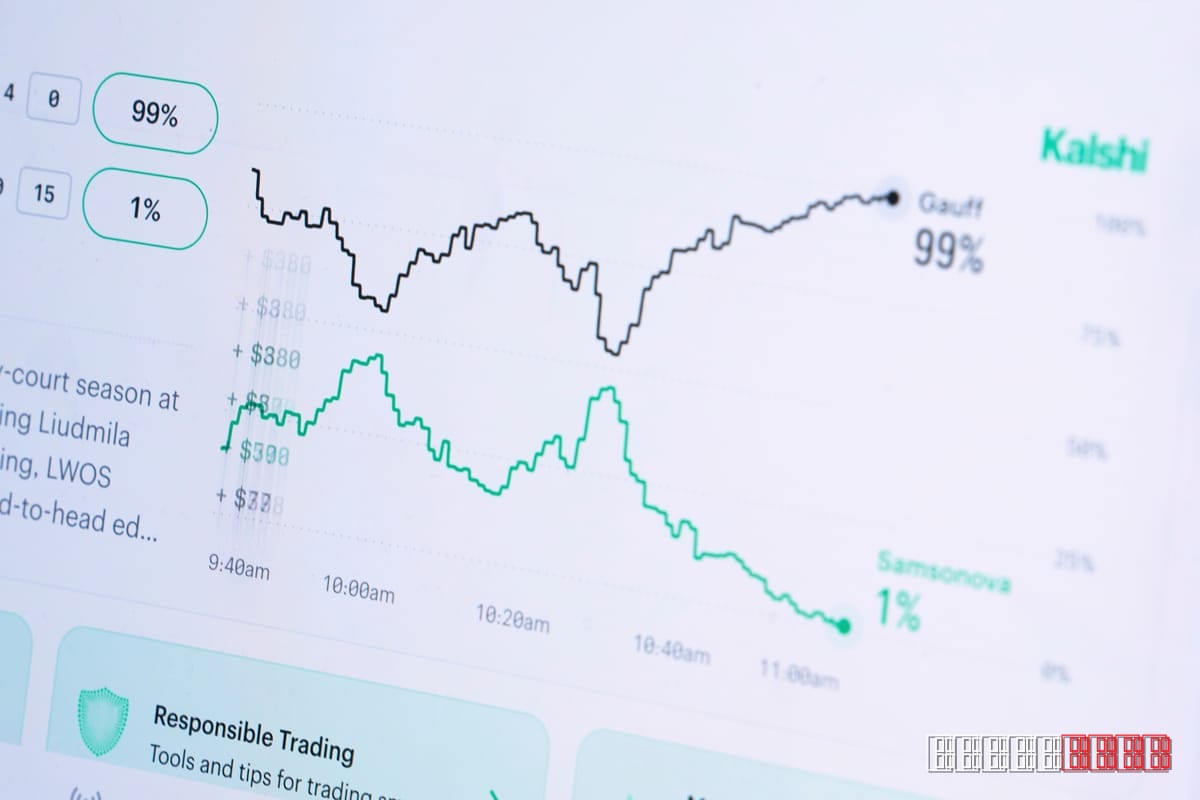
A three‑judge panel of the 9th U.S. Circuit Court of Appeals has rejected Kalshi’s challenge to state‑level oversight of its prediction‑market offerings, Al Jazeera reported. The court held that the Commodity Futures Trading Commission’s (CFTC) exemption for “event contracts” does not preempt state gambling laws, meaning states retain the authority to regulate platforms that allow users to bet on outcomes ranging from election results to economic indicators.
Kalshi, a New York‑based fintech startup that launched a regulated exchange for binary event contracts in 2022, argued that the CFTC’s jurisdiction should shield it from a patchwork of state regulations. The company had previously secured a CFTC license, positioning itself as a compliant alternative to unregulated “prediction markets” that operate in a legal gray area. The appellate decision, however, underscores that federal approval does not automatically override state statutes governing gambling or betting activities.
The ruling arrives amid a broader legal debate over how prediction markets fit within existing financial and gambling frameworks. Earlier this year, the 2nd U.S. Circuit Court of Appeals in New York took a more permissive view, suggesting that certain event contracts could be classified as commodities, thus falling under CFTC oversight. The divergent rulings set the stage for a potential Supreme Court review, where the highest court may be asked to resolve whether federal commodity law or state gambling law has primacy.
Prediction markets have attracted attention for their ability to aggregate dispersed information, often outperforming traditional polls in forecasting elections or economic trends. Yet their growth has been hampered by regulatory uncertainty, with some states classifying them as illegal gambling while others explore licensing regimes. Kalshi’s business model, which blends financial exchange infrastructure with event‑based wagering, sits at the intersection of these competing regulatory philosophies.
Legal experts note that the 9th Circuit’s decision could prompt other states to enact or tighten gambling statutes, potentially limiting the geographic reach of platforms like Kalshi. Companies may need to tailor compliance programs to each jurisdiction, increasing operational costs and complicating market entry strategies. The outcome also signals to investors that the regulatory landscape for prediction markets remains fragmented, influencing capital allocation decisions across the fintech sector.
If the Supreme Court eventually weighs in, its ruling could establish a nationwide standard, either cementing federal preemption or affirming state autonomy. Until then, platforms will navigate a complex mosaic of rules, and users in states with stricter gambling laws may find access to prediction‑market services curtailed.
This report is based on original reporting by Al Jazeera. Read the original source →