Art survives the siege: Charlotte Higgins’s Ukrainian Lessons examined
A review of Higgins’s lyrical account shows how culture endures amid the turmoil of Ukraine’s war.
Charlotte Higgins, former literary editor of a major British newspaper, has turned her keen eye to Ukraine’s cultural landscape in Ukrainian Lessons. The book weaves together personal travelogue, historical insight and interviews with artists, poets and ordinary citizens living under fire. Higgins asks how creativity can persist when cities are reduced to rubble, and whether art can become a form of resistance.
During an autumn trip to Kharkiv, the country’s second‑largest city, Higgins describes a quiet park where a solitary man builds precarious stone towers in a shallow stream. The fragile structures, she notes, echo the delicate balance of daily life in a city only a short drive from the front line. Rather than explaining the scene, Higgins lets the image speak for itself, allowing readers to feel the tension between serenity and danger.
The narrative captures moments that highlight the ordinary amidst the extraordinary. A young boy watches cartoons that abruptly go silent during a power outage, the sudden hush giving way to distant artillery thuds. Such juxtapositions illustrate how ordinary routines are constantly interrupted by the sounds of war, yet people cling to familiar comforts whenever possible.
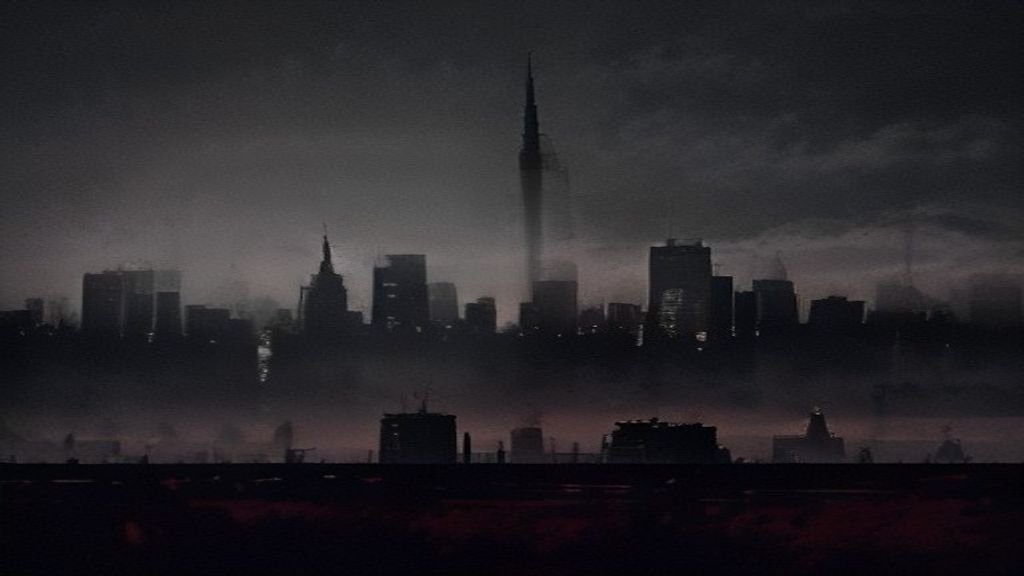
Higgins also records the stories etched onto bodies. A poet’s arm bears a tattoo of a city skyline that ends abruptly where a skin graft covers a shrapnel wound on his leg. The visual scar becomes a testament to loss and survival, a reminder that art can be both a personal record and a collective memory.
Beyond human narratives, the book finds resilience in nature. In the Donbas frontline, fields of larkspur burst into bloom, thriving on soil disturbed by conflict. Higgins describes the flowers as a “river of colour” that pools into a vivid lake, suggesting that even the landscape refuses to surrender to devastation.
Overall, Ukrainian Lessons reads as a hopeful chronicle of cultural endurance. Higgins’s prose is vivid yet measured, allowing the stories of artists, children and survivors to rise naturally. The work stands as a reminder that, even in the darkest hours, creativity can illuminate a path forward and keep a nation’s spirit alive.