Assessing the Impact of Trump’s Planned Economic Crackdown on Iran
Experts weigh how a new wave of U.S. sanctions could affect an Iranian economy already hardened by years of pressure.
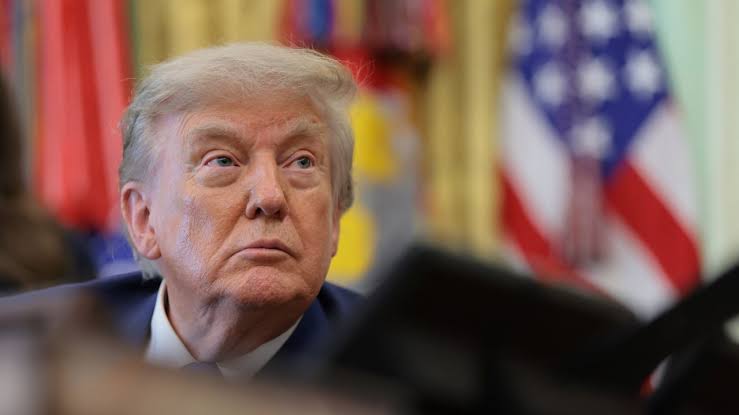
Iran’s leadership has repeatedly demonstrated a capacity to sidestep the most stringent international restrictions placed on its economy. The prospect of a sweeping U.S. measure – dubbed by officials as an “economic D‑Day” – has revived debate over how much further pressure can be applied to Tehran without collapsing the country’s fragile financial system.
The United States, under former President Donald Trump, signaled a shift toward a broader sanctions regime that would target additional sectors beyond oil, including shipping, banking and key industrial inputs. Analysts note that while such steps could tighten the squeeze on Iran’s foreign‑exchange reserves and limit its ability to sell crude abroad, the regime has already built a network of work‑arounds. Over the past two decades, Iran has cultivated alternative trade corridors through neighboring states, leveraged informal financial channels, and increasingly turned to digital currencies to bypass traditional banking blocks.
Economic observers point out that the real effect of any new sanctions will hinge on the level of international cooperation in enforcing them. If allied nations rigorously police maritime shipments and financial transactions, Tehran may find it harder to sustain its export revenues. Conversely, partial compliance or loopholes could allow the country to continue moving oil and goods under the radar, as it has done during previous sanction rounds.
Domestically, Iran’s economy has shown resilience through price controls, subsidies and a state‑driven push for self‑sufficiency in critical industries. Yet the cumulative weight of decades‑long sanctions has left the currency weakened, inflation high and foreign investment scarce. A fresh “economic D‑Day” could exacerbate these trends, potentially prompting the government to accelerate its shift toward non‑oil revenue streams and deepen ties with regional partners willing to trade in barter or local currencies.
In sum, while the United States aims to deliver a decisive blow to Tehran’s fiscal lifelines, Iran’s historical knack for evading restriction suggests the outcome will be mixed. The ultimate damage will depend on the breadth of enforcement, the willingness of third‑party states to cooperate, and Iran’s continued ability to adapt its economic strategies.