Bangalore authority plans lake restoration and relocation of over a hundred bus stops
The Greater Bangalore Authority’s executive committee outlined a scheme to refill degraded lakes and move 103 bus stands to de‑congest the city.
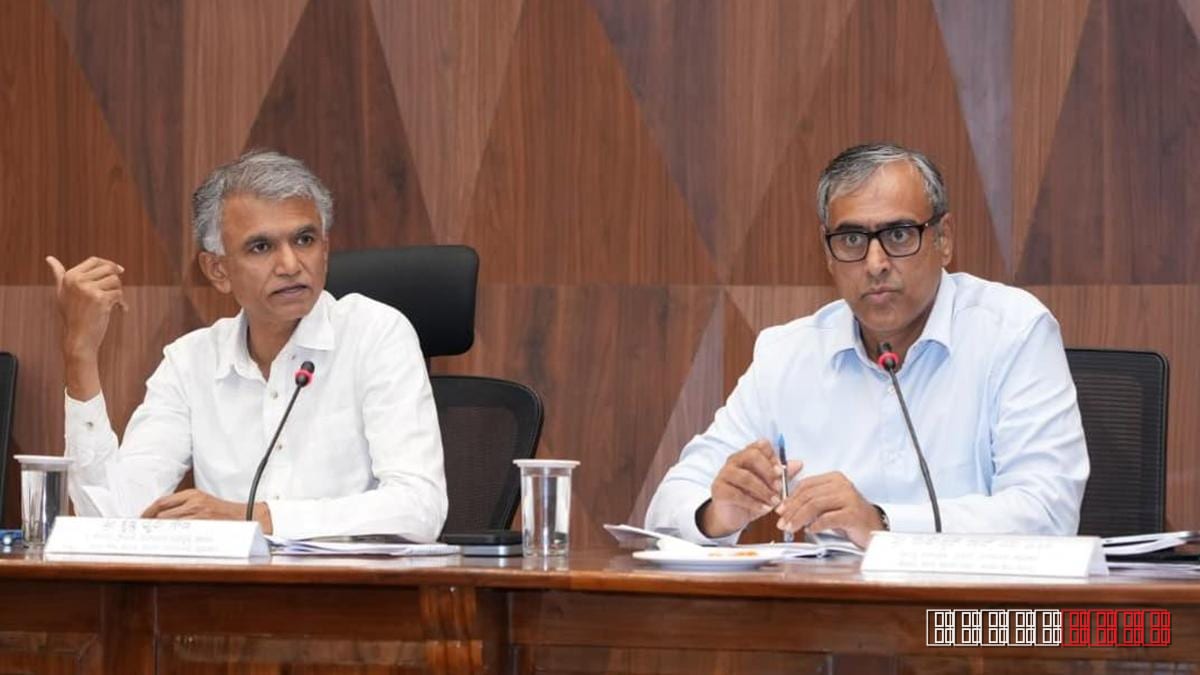
The Greater Bangalore Authority (GBA) convened its executive committee on Tuesday to approve a multi‑pronged plan aimed at reviving the city’s water bodies and easing traffic pressure. According to The Hindu, the meeting focused on two priority actions: filling and restoring a network of encroached lakes, and shifting 103 bus‑stand locations that currently sit in or near those catchment zones.
Committee members reviewed a detailed inventory of 45 lakes identified as critical for groundwater recharge. The proposal calls for the removal of illegal structures, dredging of silt, and the creation of peripheral green belts to prevent future encroachments. Funding is expected to come from a combination of state‑allocated urban development grants and contributions from the municipal corporation’s storm‑water management budget.
On the transport front, the GBA’s plan targets bus stands that have been set up on lake perimeters or within flood‑prone zones. The authority intends to relocate these 103 stands to designated transport hubs that are already equipped with passenger amenities and better connectivity. The shift is projected to reduce traffic snarls on arterial roads and improve safety for commuters, The Hindu noted.
Bangalore’s rapid expansion over the past two decades has left many of its natural reservoirs choked by construction and solid‑waste dumping. The city now ranks among India’s most water‑stressed metros, prompting repeated calls for systematic lake rejuvenation. Earlier initiatives, such as the 2020 lake‑revival task force, achieved mixed results due to fragmented jurisdiction and limited enforcement. The formation of the GBA in 2022 was meant to centralise authority over urban planning, water management, and transport coordination, a response to the persistent fragmentation that hampered previous efforts.
Stakeholders, including local resident associations and the Karnataka State Road Transport Corporation, have been invited to provide feedback on the relocation blueprint. The committee aims to finalize site selections within the next quarter, with implementation slated for the 2025‑26 fiscal year. If successful, the scheme could set a precedent for other Indian cities grappling with the twin challenges of water scarcity and congested public‑transport infrastructure.
The GBA’s agenda underscores a broader shift in Bangalore’s governance: moving from reactive, piecemeal fixes toward integrated, long‑term urban resilience planning. Observers will watch closely to see whether the ambitious lake‑filling and bus‑stand relocation targets translate into measurable improvements for the city’s environment and commuters.
This report is based on original reporting by The Hindu. Read the original source →