Bangladesh camps see Rohingya demonstration nine years after mass flight
Rohingya refugees gathered in Cox's Bazar to demand faster repatriation and improved camp conditions, marking the anniversary of the 2017 exodus.
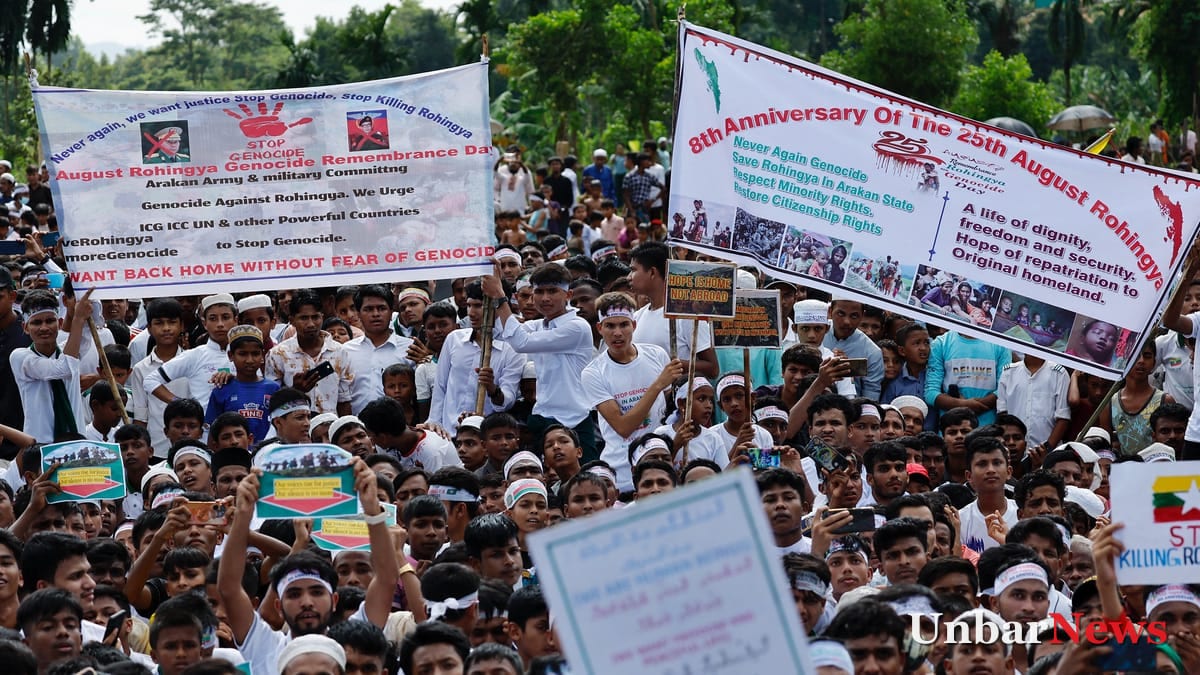
The sprawling refugee settlements of Cox's Bazar became the backdrop for a rare public demonstration as Rohingya displaced by the 2017 Myanmar crackdown took to the streets. Hundreds of men, women and children marched along the perimeter of the camps, carrying placards that called for a swift and safe return to their homes in Rakhine State and for better access to basic services.
The protest coincided with the ninth anniversary of the mass flight that saw more than 700,000 Rohingya cross the border into Bangladesh after a coordinated military campaign in Myanmar's Rakhine region. Since then, the camps have grown to house an estimated half a million people, many of whom remain in temporary shelters, face limited livelihood options, and depend on international aid for daily survival.
Organisers said the demonstration was intended to remind the global community that promises made in the wake of the crisis have yet to be fulfilled. They cited the lack of progress on a durable repatriation agreement, ongoing security concerns in Myanmar, and the deteriorating humanitarian situation within the camps as key grievances. While Bangladesh’s government has repeatedly expressed willingness to host the refugees until a solution is found, it also urged the United Nations and donor nations to accelerate diplomatic efforts.
Humanitarian agencies present at the protest noted that funding shortfalls and logistical challenges have hampered the delivery of essential services such as clean water, healthcare and education. They called for renewed financial commitments to prevent a further decline in living standards as the refugees age and new generations are born into displacement.
The demonstration ended peacefully, with participants returning to their shelters after a day of chanting slogans and sharing personal testimonies of loss and resilience. Observers said the event highlighted the enduring nature of the Rohingya crisis and the need for sustained political will to achieve a lasting resolution.