Bank of America chief sees steady consumer spending as gasoline costs climb
CEO Brian Moynihan says the bank’s data shows households are still buying and borrowing despite higher fuel prices.
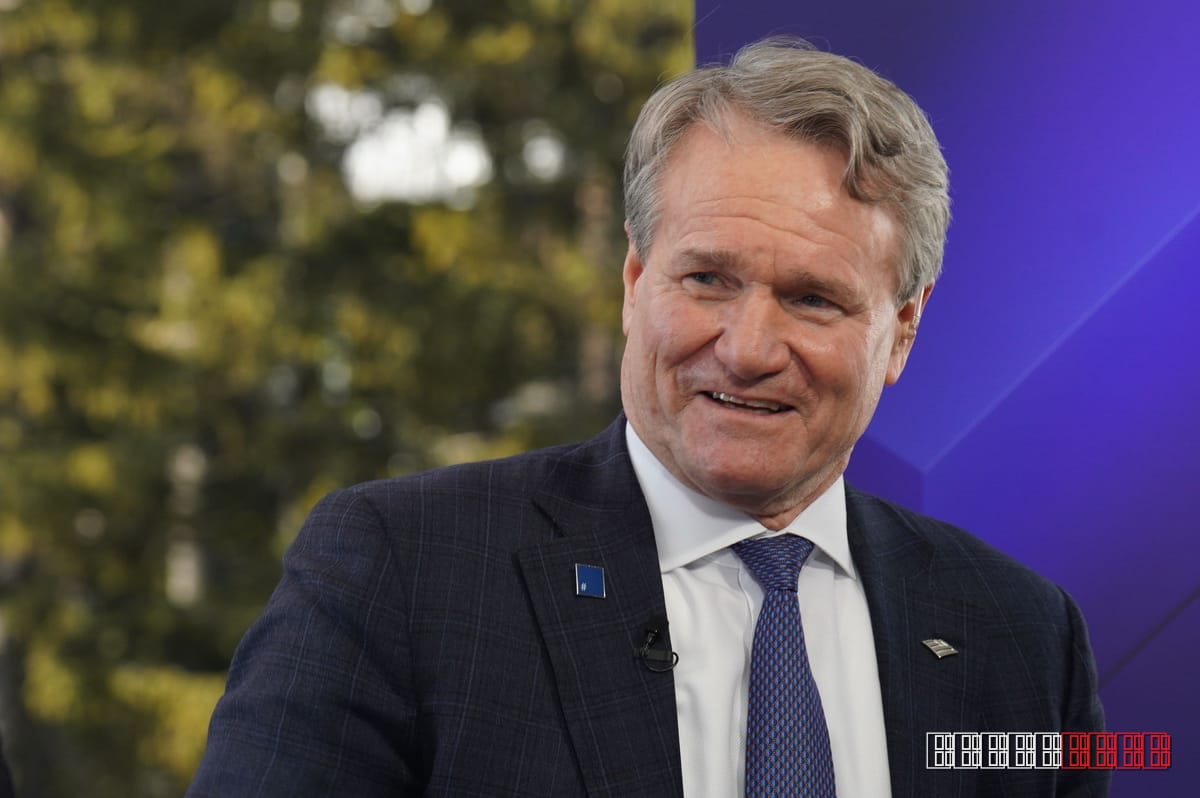
Bank of America chief executive Brian Moynihan told investors that the bank’s internal analytics continue to show robust consumer spending and credit activity, even as gasoline prices have surged in recent weeks. According to CNBC, Moynihan emphasized that the data does not indicate a slowdown in everyday purchases or a rise in delinquencies.
The price of regular unleaded gasoline has risen roughly 12% over the past month, pushing annual fuel costs higher for the average American driver. Yet the bank’s credit‑card and loan portfolios have not reflected the strain that analysts expected. Moynihan noted that credit‑card balances have remained flat and mortgage delinquencies are still near historic lows, suggesting that households are absorbing the extra pump cost without cutting back on other expenses.
Historically, spikes in energy prices have been a bellwether for broader consumer pull‑back. In the early 2000s, a sharp rise in oil prices coincided with a dip in retail sales and a slowdown in credit growth. More recently, the post‑pandemic inflation surge saw many families trim discretionary spending, though core services like housing and groceries stayed resilient. The current situation differs because wages have been inching upward and savings buffers, built during the pandemic, are still being drawn down slowly, providing a cushion that helps sustain demand.
Bank of America’s data collection spans millions of accounts, giving the institution a granular view of spending patterns across income brackets and regions. Moynihan highlighted that credit‑card usage for everyday categories—groceries, gas, and online retail—has not declined, and new loan applications remain steady. This steadiness is significant for the bank’s earnings outlook, as consumer credit is a major revenue driver.
Economists see the CEO’s remarks as a positive signal for the broader U.S. economy. If consumers continue to spend despite higher energy costs, it could temper concerns about an imminent recession and support the Federal Reserve’s gradual rate‑cut strategy later this year. However, analysts caution that prolonged fuel price pressures could eventually erode savings and trigger a delayed slowdown, making ongoing monitoring essential.
This report is based on original reporting by CNBC. Read the original source →