Trump vows $5,000 cash bonus for Americans if GOP secures midterm control
The former president says a $5,000 dividend could be paid to every citizen, a plan CNBC says would exceed $1 trillion and face legal hurdles.
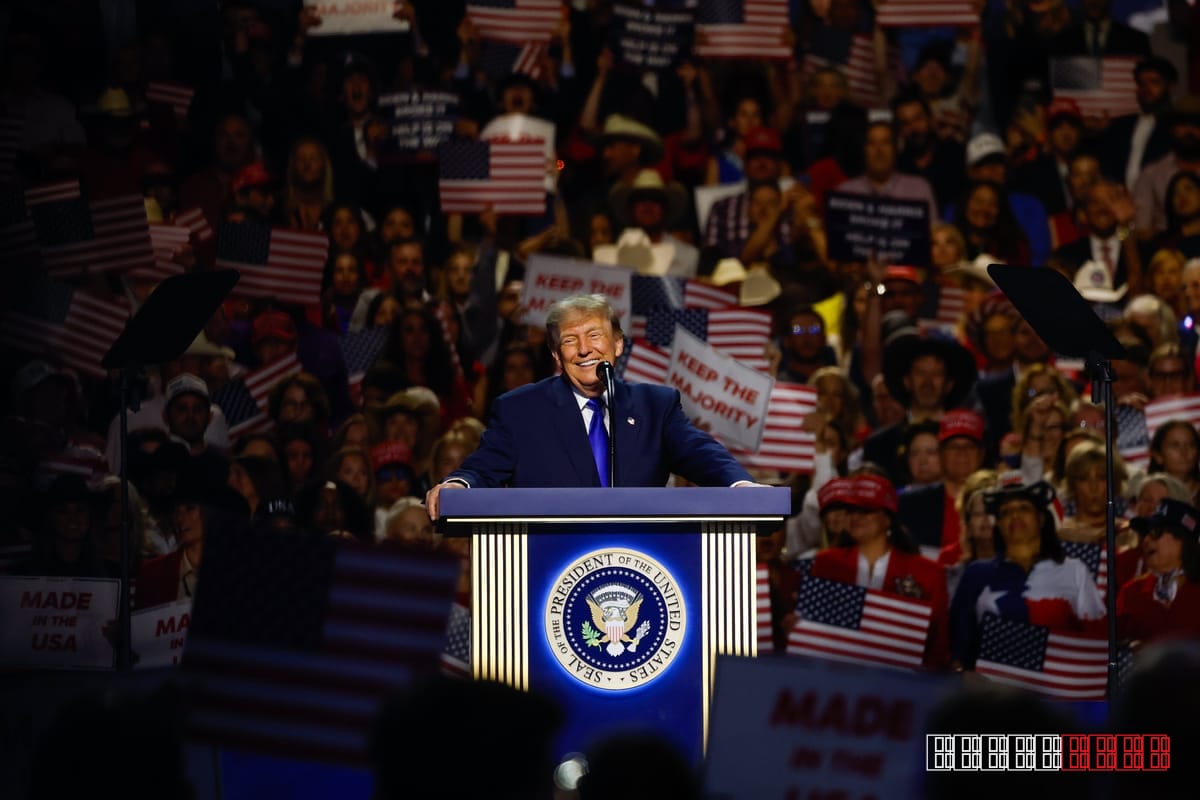
Former President Donald Trump announced that, should Republicans capture both houses of Congress in the upcoming midterm elections, every U.S. citizen would receive a $5,000 cash payment. The proposal, outlined in a recent rally speech, is framed as a “dividend” that would boost household finances and reinforce the party’s economic message.
CNBC reported that the payout, if implemented, would cost the federal government well over $1 trillion. Treasury officials would need to find a financing mechanism, and the plan would likely run into constitutional and statutory barriers that restrict direct cash distributions without congressional approval.
Trump is not new to the idea of direct monetary handouts. During his 2020 campaign he floated a similar “America First” stimulus, and his administration in 2021 pursued a $1,400 stimulus check for millions of Americans. Those precedents show that the concept resonates with voters who view cash payments as tangible relief, even as critics argue they are short‑term fixes that do not address structural economic issues.
Legal scholars note that any nationwide cash grant would have to be authorized through legislation, a process that could be stalled by opposition parties or challenged in court. The Constitution’s Appropriations Clause requires that spending be enacted by Congress, and past attempts to bypass this step have been struck down. Moreover, the Federal Reserve does not have the authority to issue direct payments to individuals, limiting the tools available to fund such a program.
Politically, the promise is designed to energize the Republican base ahead of the 2026 midterms, where control of the House and Senate will determine the party’s ability to shape fiscal policy. GOP strategists have long used targeted financial incentives to sway swing voters, and a universal $5,000 check could be positioned as a counter‑argument to Democratic spending proposals. However, the sheer scale of the plan raises questions about its feasibility and the potential impact on the national debt.
As the election calendar tightens, Trump’s dividend pledge adds another layer of uncertainty to an already contentious race. Voters, analysts, and legal experts will be watching how the proposal evolves, whether it gains legislative traction, and what repercussions it may have for the broader fiscal landscape.
This report is based on original reporting by CNBC. Read the original source →