Berlin and Moscow engage in uncommon diplomatic dialogue as Europe‑Russia strain deepens
German and Russian foreign ministers met in a rare encounter, with Russia’s Lavrov rejecting German pleas to de‑escalate tensions with the West.
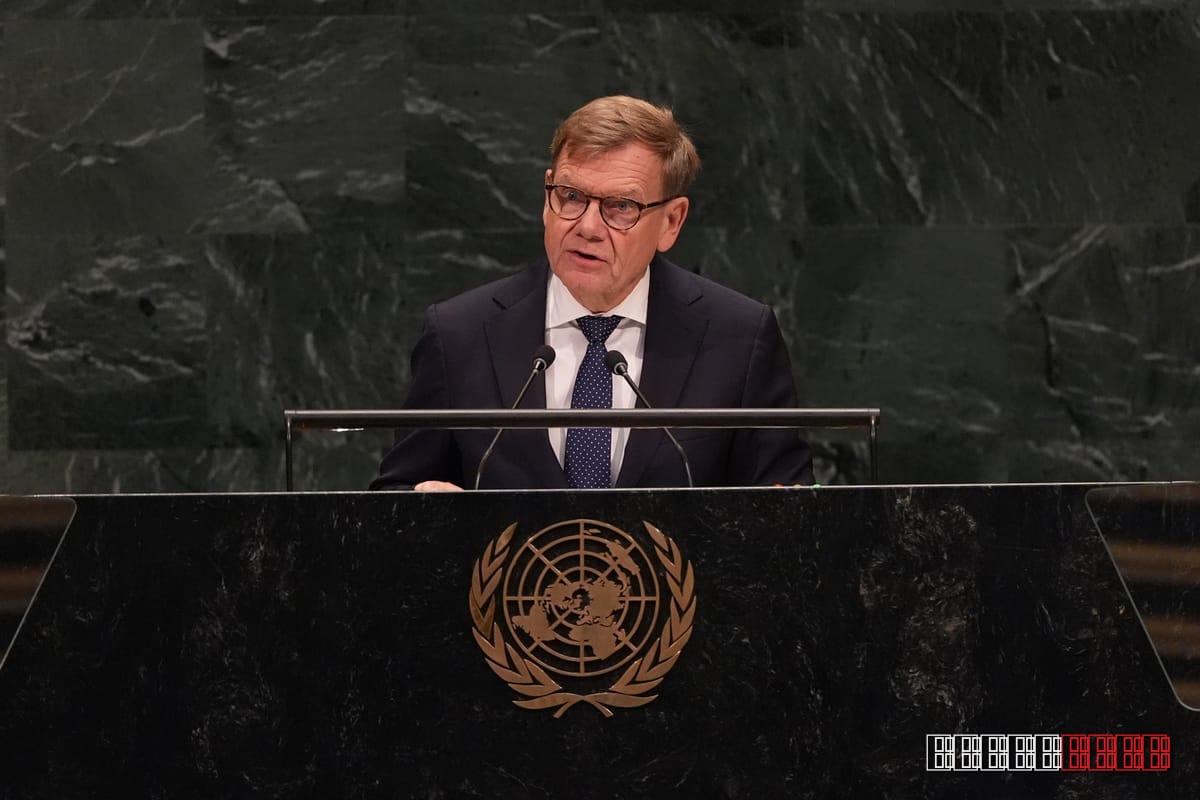
German and Russian foreign ministers convened in Berlin for an uncommon diplomatic exchange, underscoring the heightened friction between Moscow and the European Union. The meeting, described by Al Jazeera as “rare,” came at a time when both capitals are navigating a series of security challenges that have strained relations since Russia’s 2022 invasion of Ukraine.
During the talks, Russian Foreign Minister Sergei Lavrov brushed aside a German appeal to abandon what he termed a "dangerous path of escalation" with Europe. Al Jazeera reported that Lavrov’s response signalled Moscow’s continued resolve to pursue its current strategic course, despite Western warnings of further diplomatic isolation.
German officials, while not naming a specific minister in the source, used the platform to urge a reduction in hostile rhetoric and to explore avenues for dialogue on issues ranging from sanctions to the conflict in Ukraine. The Russian side, however, emphasized that any easing of pressure must be linked to tangible security guarantees, a stance that mirrors Moscow’s broader diplomatic posture in recent months.
The significance of the encounter lies in its rarity. Since the outbreak of war in Ukraine, high‑level contacts between Berlin and Moscow have been limited, with most communication occurring through back‑channel or multilateral forums. The meeting reflects a pragmatic, if cautious, effort by both sides to keep diplomatic lines open amid a backdrop of NATO’s eastward reinforcement, renewed Russian military drills near its western borders, and a series of cyber‑attribution disputes involving European states.
Analysts note that while the talks are unlikely to produce immediate policy shifts, they serve as a barometer for the willingness of both parties to engage in crisis management. Continued engagement could help prevent miscalculations, but the entrenched positions on both sides suggest that any substantive breakthrough will require broader confidence‑building measures, possibly involving third‑party mediators or incremental steps on arms control.
For now, the Berlin‑Moscow dialogue stands as a modest but notable channel for communication, illustrating that even amid deepening geopolitical rifts, diplomatic overtures remain a critical tool for managing Europe’s security architecture.
This report is based on original reporting by Al Jazeera. Read the original source →