Canada imposes new tariffs as Trudeau blames U.S. for sparking trade conflict
The Canadian prime minister reluctantly announced retaliatory duties, accusing the United States of initiating a fresh trade war.
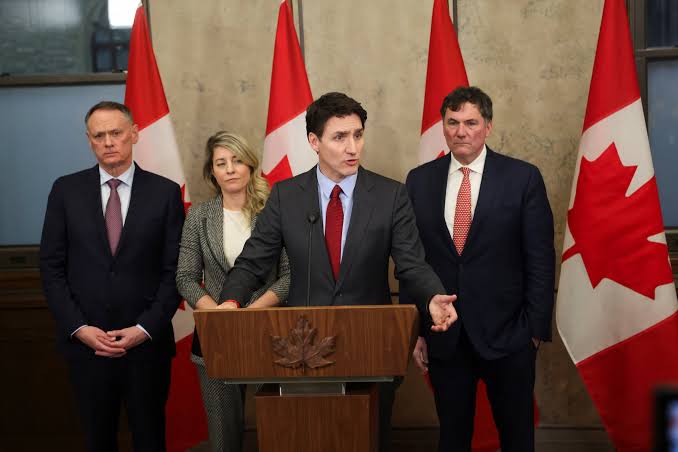
Ottawa announced on Tuesday that it will levy a series of retaliatory tariffs on a range of American products, marking the latest escalation in a dispute that has strained North American trade ties. Prime Minister Justin Trudeau said the measures were taken "reluctantly" after what he described as a series of unilateral actions by the United States that have hurt Canadian exporters.
The new duties target items such as bourbon, motorcycles, and certain agricultural goods, each selected for their symbolic and economic significance. While the tariff rates are modest compared to earlier rounds of the dispute, officials warned that they could increase the cost of these imports for Canadian consumers and businesses that rely on U.S. supplies.
Trudeau placed responsibility squarely on the U.S. administration, arguing that the United States had "started a trade war" with a series of fresh tariffs that undermine the principles of free trade that have long underpinned the Canada‑U.S. relationship. He emphasized that Canada prefers dialogue over retaliation, but said the government must protect domestic industries and preserve market access for Canadian producers.
The announcement comes after weeks of negotiations that failed to produce a mutually acceptable solution. U.S. trade officials have not yet responded publicly to the Canadian move, but analysts expect a reciprocal set of measures could follow if the dispute deepens. Both countries remain members of the United States‑Mexico‑Canada Agreement (USMCA), which includes mechanisms for resolving trade disagreements, though the effectiveness of those mechanisms is now under scrutiny.
Business groups in Canada expressed concern about the impact on supply chains, noting that higher costs could be passed on to consumers. At the same time, some industry representatives welcomed the government's stance, viewing it as a necessary defense against perceived unfair trade practices.
The situation underscores the fragility of the North American trade framework and raises questions about how future policy shifts in Washington might affect its southern neighbor. As both governments navigate the dispute, the broader international community watches closely, aware that any prolonged conflict could reverberate through global markets.