Cancer survivor embraces queer identity and explores polyamory
After beating cancer, a UK couple shares how the experience sparked greater openness about sexuality and a move toward non‑monogamous relationships.
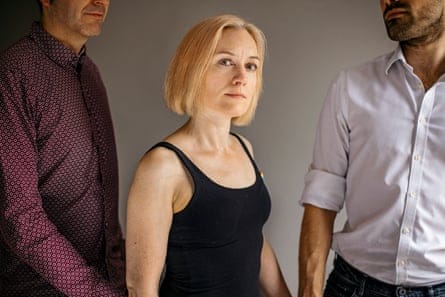
Kevin and Jade, a couple from the south of England, say the relief of receiving an all‑clear after Kevin’s cancer treatment has reshaped how they view intimacy. The diagnosis, which forced them to confront mortality, also opened a dialogue about desires they had previously kept private.
In the months following the remission, Kevin admitted that his sense of self‑identity shifted dramatically. Once identifying as straight, he now describes himself as queer, a change he attributes to the clarity and vulnerability that illness can bring. Jade, who has long been supportive of Kevin’s health journey, notes that the newfound honesty has deepened their emotional bond and sparked curiosity about alternative relationship structures.
Together, the pair have begun exploring polyamory, a form of consensual non‑monogamy that allows them to engage with multiple partners while maintaining transparent communication. They report that discussing boundaries, expectations, and sexual health has become a routine part of their partnership, reducing stigma they once felt about non‑traditional arrangements.
Their experience reflects a broader trend among cancer survivors who, after navigating life‑threatening illness, reassess personal values and relationships. Support groups and online forums in the UK increasingly highlight stories of individuals redefining sexuality and partnership models post‑treatment. Healthcare providers are also noting the importance of addressing sexual well‑being as part of holistic survivorship care.
Kevin and Jade emphasize that their journey is ongoing. They continue to seek resources, attend workshops, and speak with counselors to ensure their evolving dynamic remains healthy and consensual. Their story underscores how confronting a serious health challenge can catalyze profound personal growth, prompting people to live more authentically and explore connections beyond conventional norms.