Caterpillar taps mining automation expertise for broader AI rollout
Decades of autonomous mining operations are shaping Caterpillar's next wave of artificial‑intelligence integration across its equipment portfolio.
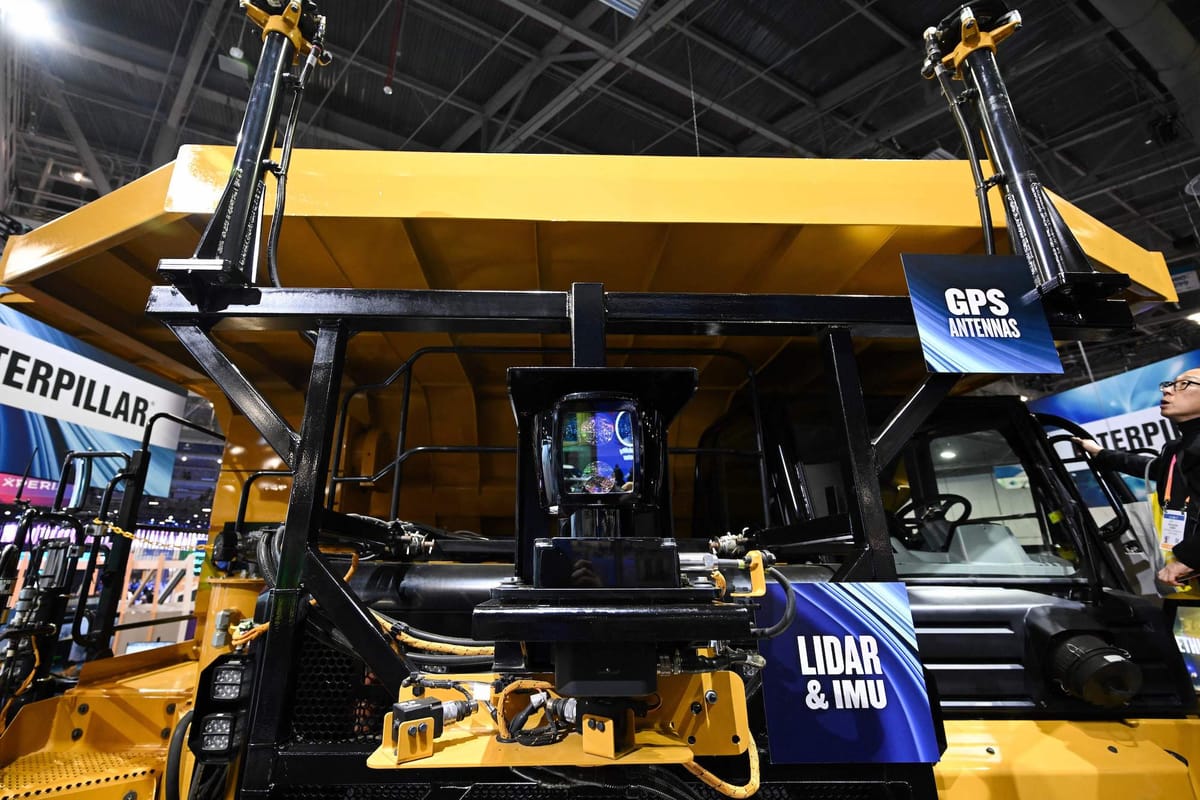
Caterpillar has spent more than thirty years perfecting autonomous machines that operate in some of the world’s most remote mining sites. Heavy‑duty haul trucks, drill rigs and load‑haul‑dump units have been equipped with self‑steering, collision‑avoidance and remote‑monitoring systems that keep production moving while reducing human exposure to hazardous environments. The company now aims to translate that deep‑rooted know‑how into a larger AI deployment strategy that reaches beyond the mining sector.
The shift reflects a broader industry trend where manufacturers use lessons from niche, high‑risk applications to accelerate artificial‑intelligence adoption in mainstream product lines. For Caterpillar, the focus is on leveraging data collected from autonomous fleets to improve predictive maintenance, optimize fuel consumption and enhance operator safety on construction sites, agriculture equipment and other heavy‑machinery markets. By reusing proven sensor architectures and control algorithms, the firm can shorten development cycles and deliver AI‑enabled features with confidence.
Caterpillar’s engineering teams are also standardising the software stack that runs on its machines. A unified platform allows updates to be pushed over the air, mirroring the remote‑software practices pioneered in mining operations. This approach not only streamlines the rollout of new capabilities but also creates a continuous feedback loop where performance data from fielded equipment informs future AI models.
Industry analysts note that the company’s mining background gives it a competitive edge in handling the massive data volumes and rugged operating conditions typical of heavy‑industry AI. The experience of maintaining connectivity in isolated locations, managing latency, and ensuring cybersecurity has become a template for deploying intelligent systems in less controlled environments.
As Caterpillar expands its AI portfolio, the emphasis remains on tangible benefits: fewer unplanned breakdowns, lower operating costs and safer workplaces. The company’s next phase will likely see AI‑driven decision support tools embedded directly into operator cabins, offering real‑time insights that were once only available to remote monitoring centres.
By turning decades of autonomous mining practice into a foundation for AI, Caterpillar is positioning itself to lead the convergence of heavy‑machinery engineering and intelligent software, a move that could reshape how the industry approaches productivity and safety.