China’s push for a balanced global order outlined by senior colonel
Senior Colonel Zhou Bo outlines Beijing’s vision of a fairer, multipolar world in a candid discussion with journalist Sreenivasan Jain.
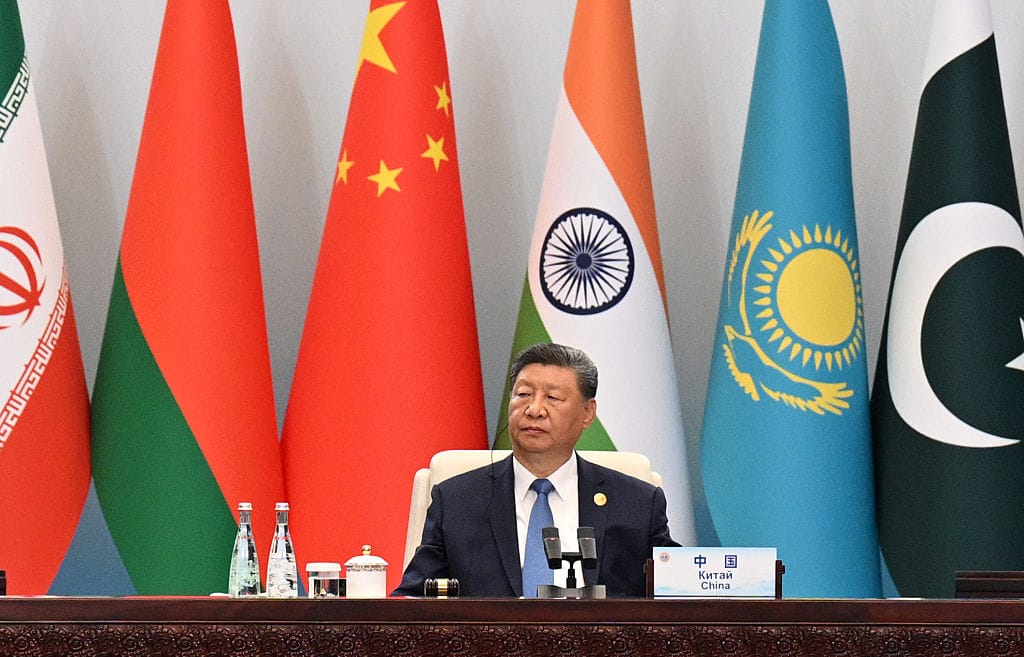
Senior Colonel Zhou Bo, a senior officer in China’s People’s Liberation Army, sat down with journalist Sreenivasan Jain to spell out Beijing’s blueprint for a more balanced global order. The conversation centered on China’s belief that the current international system, dominated by Western powers, needs restructuring to reflect the interests of a broader set of nations.
Zhou argued that a truly fair world cannot be built on a single bloc’s hegemony. He highlighted initiatives such as the Belt and Road Initiative, reforms at the United Nations, and deeper economic ties with developing countries as practical steps toward a multipolar reality. According to Zhou, these measures aim to give emerging economies a stronger voice in setting global standards on trade, climate, and security.
The colonel also addressed concerns that China’s rise might simply replace one form of dominance with another. He stressed that Beijing’s approach is “cooperative, not coercive,” and that China seeks partnerships based on mutual respect rather than ideological alignment. In his view, a multipolar world would reduce the risk of great‑power rivalry by encouraging dialogue and shared responsibility.
Jain pressed Zhou on the challenges of reconciling divergent political systems and the need for transparent governance. Zhou acknowledged that differences exist but insisted that diplomatic engagement and confidence‑building measures can bridge gaps. He cited recent joint statements with the European Union and African Union as examples of constructive cooperation.
The discussion concluded with a call for all nations to move beyond zero‑sum thinking. Zhou urged policymakers to prioritize long‑term stability over short‑term gains, suggesting that a truly inclusive order would benefit both developed and developing states. As the world grapples with economic uncertainty and geopolitical tension, Beijing’s articulation of a multipolar vision adds another layer to the evolving debate on global governance.