Chinese Data‑Center Makers Target U.S. AI Surge Amid Growing Hurdles
Chinese manufacturers see the American AI infrastructure boom as a lucrative market, but regulatory and political barriers could slow expansion.
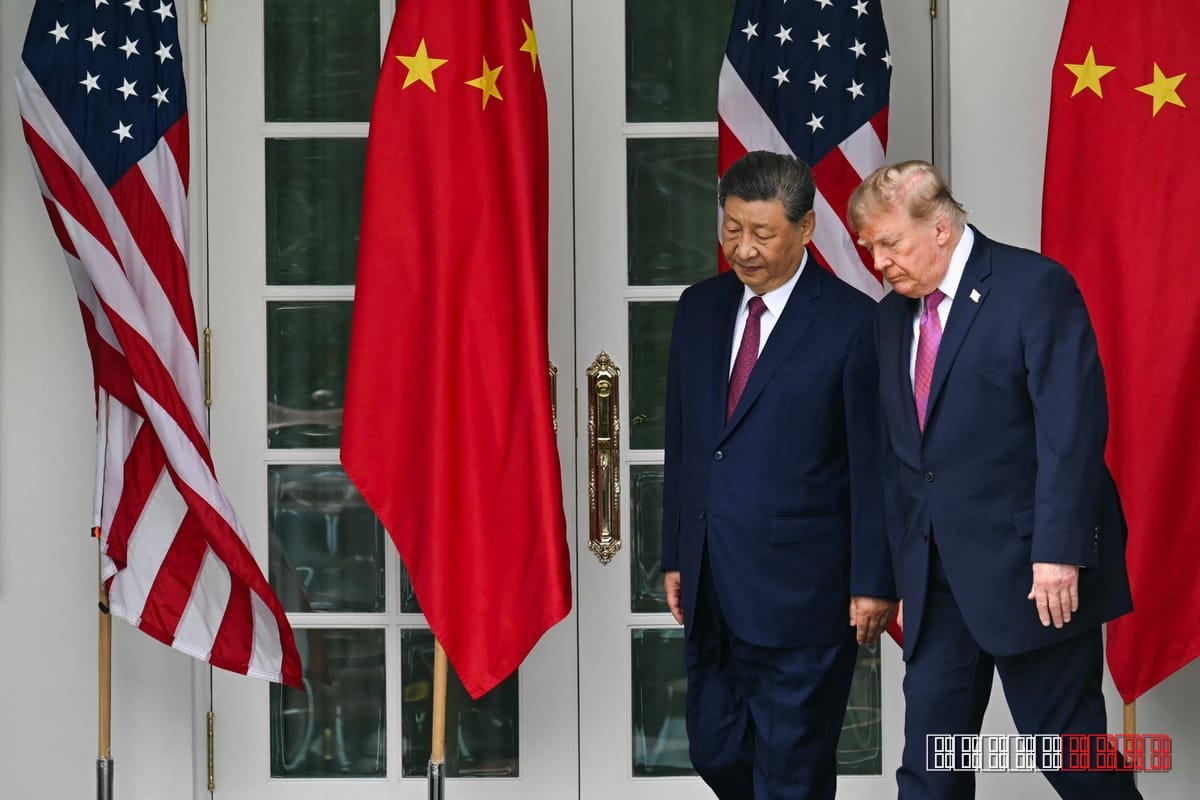
Chinese data‑center builders are eyeing the United States as the next frontier for their growth, drawn by the unprecedented demand for AI‑focused compute capacity. CNBC reported that firms such as GDS, Inspur and Lenovo view the surge in AI workloads – driven by generative‑AI models and cloud providers’ massive GPU purchases – as a chance to secure high‑margin contracts overseas.
The United States is currently experiencing a wave of AI‑related data‑center construction, with hyperscale operators like Amazon, Microsoft and Google announcing multi‑billion‑dollar investments in new facilities. This expansion is being fueled by the need for specialized cooling, power and networking to support large language models that can consume megawatts of electricity. Chinese vendors, already seasoned in building dense, cost‑efficient facilities for the domestic market, believe they can replicate that success abroad.
However, the path to U.S. projects is anything but smooth. CNBC noted that U.S. regulators are tightening scrutiny of foreign investment in critical infrastructure, especially where national‑security concerns arise. The Committee on Foreign Investment in the United States (CFIUS) has recently heightened its review of Chinese‑owned technology firms, and export‑control rules limit the transfer of advanced chips and software. In addition, data‑privacy statutes such as the CLOUD Act and state‑level regulations create compliance challenges for any foreign operator handling American user data.
Beyond policy, geopolitical tensions add another layer of uncertainty. The ongoing trade dispute and recent bans on certain Chinese telecom equipment have made U.S. partners wary of deepening supply‑chain dependencies. As a result, Chinese firms are exploring joint‑venture structures or partnering with local U.S. companies to navigate the regulatory landscape, a strategy that could dilute their control but provide a foothold in the market.
The broader significance of this push lies in the global competition for AI compute resources. Nations that secure reliable, scalable data‑center capacity will shape the next generation of AI services, from autonomous vehicles to advanced medical diagnostics. If Chinese manufacturers succeed in penetrating the U.S. market, they could accelerate the diffusion of AI technologies worldwide, but they must first reconcile business ambitions with a complex web of security and compliance requirements.
In the short term, industry observers expect a cautious rollout of Chinese‑backed projects, with many proposals likely to undergo extended review before construction begins. The outcome will test how deeply intertwined the global AI supply chain can become amid rising protectionist sentiment.
This report is based on original reporting by CNBC. Read the original source →