Coastal homes crumble into sea as FEMA aid remains out of reach
NPR reports that many waterfront properties on the Atlantic seaboard are collapsing despite years of warning, while federal assistance offers few options.
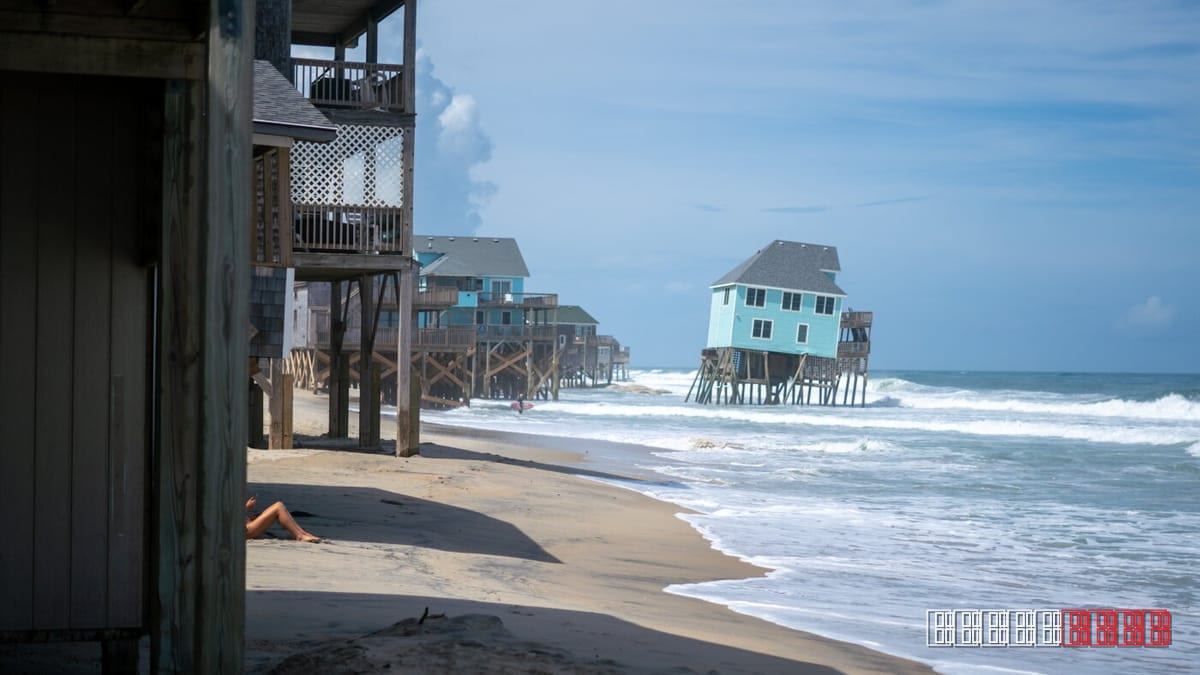
Across North Carolina’s Outer Banks and parts of coastal Maine, houses are literally sliding into the Atlantic as erosion accelerates. Residents have watched the shoreline retreat for years, yet many remain in structures that are now buckling under the force of the surf. NPR reported that homeowners often receive “plenty of warning” before a building gives way, but federal disaster relief does not automatically cover relocation or pre‑emptive demolition.
The agency’s policy, as described by NPR, requires a property to be deemed uninhabitable before FEMA can provide aid. Because many owners stay until the moment of collapse, they miss the window for assistance that would otherwise fund a buyout or temporary shelter. In several communities, families have been forced to abandon belongings and flee as their homes crumble, with no clear pathway to rebuild elsewhere.
The phenomenon is not isolated to a single state. Similar erosion patterns have been documented from the Carolinas up through New England, where rising sea levels and stronger storm surges are reshaping coastlines faster than natural sediment can replenish them. Climate scientists attribute the rapid loss of beachfront land to a combination of warming oceans, increased storm intensity, and historic over‑development that places structures directly on vulnerable dunes.
FEMA’s limited role stems from its statutory mandate to respond after a disaster has occurred, rather than to fund proactive relocations. While some states operate voluntary buy‑out programs, funding is often scarce and eligibility criteria strict. Consequently, many homeowners are left to shoulder the cost of demolition, salvage, or the painful decision to move without federal support.
The stakes grow higher each year as sea‑level rise continues unabated. Experts warn that without a coordinated strategy—combining federal aid, state buy‑outs, and stricter coastal zoning—more communities will face the same fate. For now, families watching their houses slip into the surf must grapple with the harsh reality that warning signs alone do not guarantee a safety net.
The situation underscores a broader policy debate about how the United States prepares for climate‑driven displacement. As the coastline recedes, the pressure on agencies like FEMA to adapt its assistance framework is likely to intensify, prompting calls for legislative reforms that address pre‑emptive relocation and long‑term resilience.
This report is based on original reporting by NPR. Read the original source →