Monoculture Drive in Africa Risks Traditional Crops
The push for high‑yield single‑crop farming is crowding out nutrient‑dense, climate‑adapted staples across the continent, according to Al Jazeera.
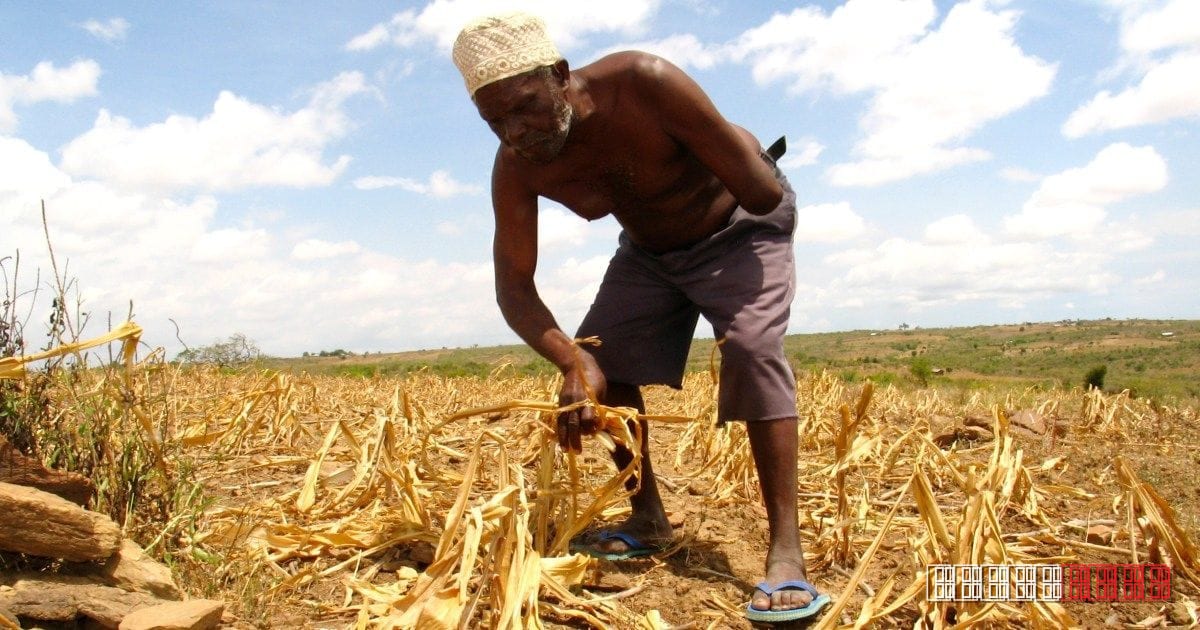
Al Jazeera reported that the increasing promotion of monoculture farming in Africa is undermining the cultivation of traditional crops that are both more nutritious and better suited to a changing climate. Large‑scale initiatives backed by governments, donors and agribusinesses are encouraging farmers to plant wheat, maize and soybeans, crops that promise higher yields but often replace indigenous varieties such as millet, sorghum, fonio and teff.
The shift has tangible repercussions for food security. Traditional grains, which have been cultivated for centuries, typically contain higher levels of protein, iron and other micronutrients than the introduced staples. Moreover, they are resilient to erratic rainfall and poor soils, traits that become increasingly valuable as climate patterns grow unpredictable. Al Jazeera noted that the displacement of these crops could exacerbate malnutrition, especially in rural communities that rely on local food systems for their daily sustenance.
Beyond nutrition, the move toward monocultures threatens biodiversity. Diverse seed banks and farming practices have historically helped safeguard ecosystems against pests and disease outbreaks. When a single crop dominates the landscape, the risk of widespread loss due to a single pathogen or adverse weather event rises sharply, potentially destabilising entire regional food supplies.
The current push echoes the original Green Revolution of the 1960s, which introduced high‑yielding varieties and chemical inputs to boost production in Asia and Latin America. While that era delivered dramatic increases in staple yields, it also sparked criticism for eroding local seed diversity and marginalising smallholder farmers. In Africa, the model is being replicated amid rising concerns about climate change, yet the continent’s agricultural heritage is markedly different, with many communities still dependent on climate‑smart, low‑input crops.
Experts and advocacy groups are calling for a more balanced approach that blends modern agronomy with agroecological principles. Initiatives that support seed sovereignty, promote mixed‑cropping systems and invest in research on native varieties could help preserve the nutritional and environmental benefits of traditional foods while still meeting the demand for higher production.
If policy makers ignore these warnings, the continent may face a paradox: higher overall grain output but a decline in the quality and resilience of the food that sustains its most vulnerable populations. The debate underscores the need to align agricultural development with both health and climate objectives.
This report is based on original reporting by Al Jazeera. Read the original source →