Tehran outlines peace conditions as Saudi forces thwart Riyadh assault
Iran’s security chief demands an end to all hostilities and the removal of the U.S. naval blockade, while Saudi Arabia reports stopping an attack on its capital.
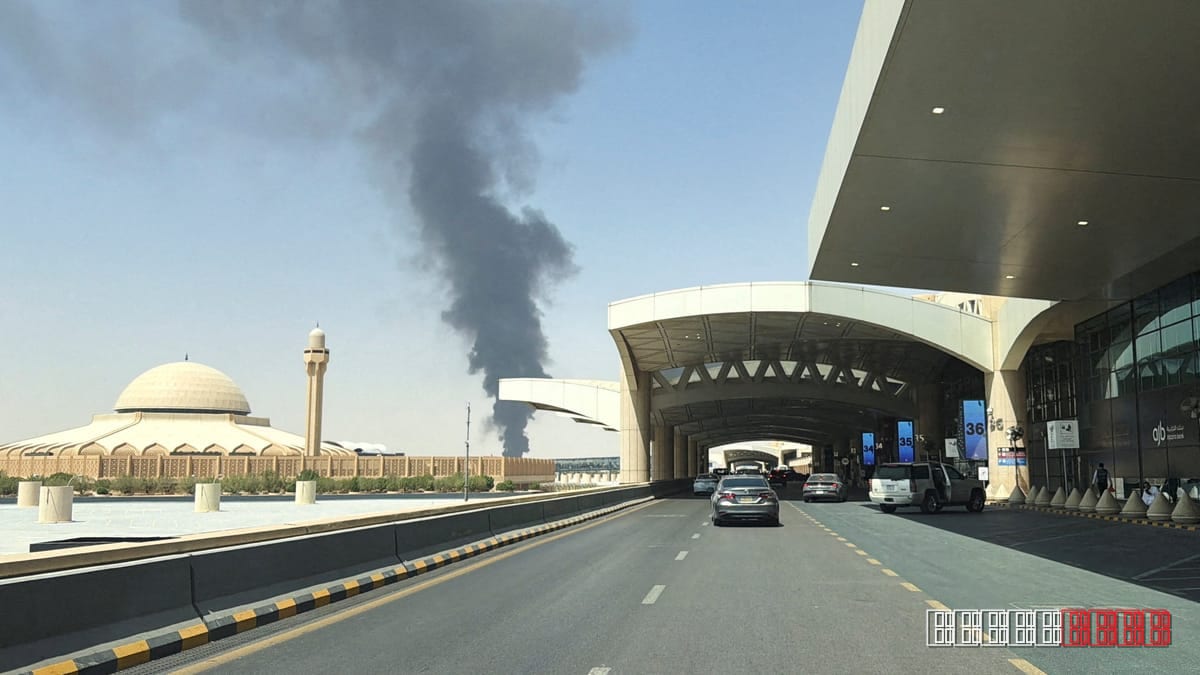
Iran’s top security official presented a set of conditions that Tehran says must be met before any diplomatic settlement can move forward. In a televised briefing, the official said the core of the demand is a complete cessation of fighting on every front and the lifting of the United States’ naval blockade that has constrained Iranian shipping for years. Al Jazeera reported the statements, noting that Tehran views the blockade as a violation of international law and a barrier to its economic recovery.
At the same time, Saudi authorities announced that their forces had successfully foiled an attempted assault in Riyadh. Details about the nature of the attack were limited, but officials confirmed that security units intercepted the plot before it could be carried out. Al Jazeera cited Saudi sources for the claim, adding that the incident underscores the heightened tension between the two regional rivals.
The U.S. naval presence around the Strait of Hormuz, often described as a blockade, dates back to heightened sanctions on Iran’s nuclear program in the late 2010s. American warships have routinely inspected Iranian vessels, a practice Tehran argues amounts to an illegal choke‑choke on its oil exports. The blockade has been a sticking point in past negotiations, contributing to a cycle of sanctions, retaliatory missile launches, and diplomatic dead‑locks.
Iran‑Saudi relations have long been marked by proxy conflicts in Yemen, Syria and Iraq, with each side backing opposing factions. Recent months have seen a surge in rhetoric and occasional skirmishes, prompting concerns that a broader regional war could ignite. The Saudi‑reported thwarting of an attack in its capital reflects the volatile security environment that both nations navigate.
International observers note that Tehran’s insistence on lifting the blockade before any peace talks can proceed is a significant diplomatic hurdle. The United States, which maintains the naval operations, has linked any easing of restrictions to Tehran’s compliance with nuclear and ballistic‑missile commitments. Meanwhile, the United Nations and European mediators are urging both sides to keep channels open, warning that further escalation could disrupt global oil markets.
If Tehran’s conditions are not addressed, the likelihood of continued low‑level clashes and diplomatic stalemate remains high. Conversely, a negotiated end to the blockade could pave the way for broader talks on regional security, potentially easing the long‑standing rivalry that has shaped Middle Eastern geopolitics for decades.
This report is based on original reporting by Al Jazeera. Read the original source →