Australia urges Apple to back new online safety and AI rules
Prime Minister Anthony Albanese has appealed to Tim Cook for Apple’s cooperation in enforcing stricter internet safety and artificial‑intelligence regulations.
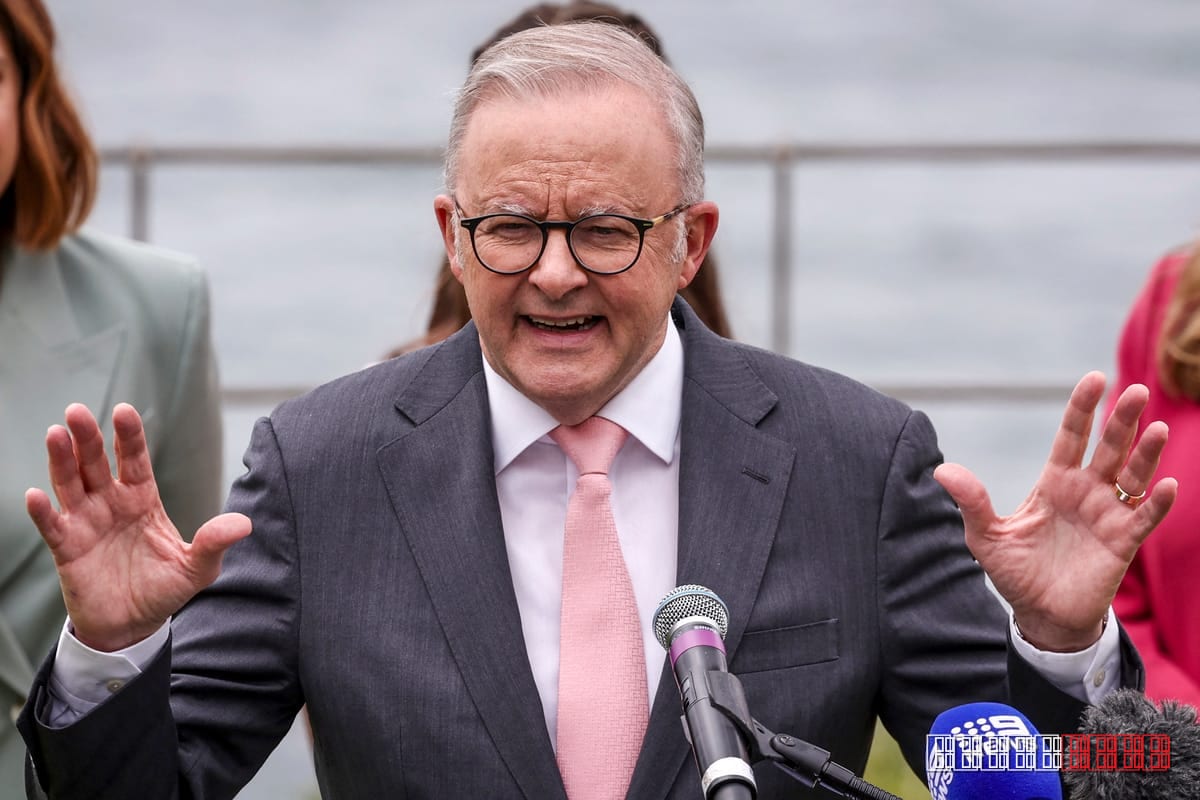
Australia’s government is pressing major technology firms to help enforce its latest online safety framework, a move aimed at curbing harmful content and unregulated AI tools. Prime Minister Anthony Albanese personally reached out to Apple chief executive Tim Cook, asking the company to align its services with the nation’s new legislation, Al Jazeera reported.
The legislation, an amendment to the 2021 Online Safety Act, expands the powers of the eSafety Commissioner, obligating platforms to remove extremist material, non‑consensual imagery and AI‑generated deepfakes within set timeframes. Companies that fail to comply could face fines of up to 10 percent of their Australian turnover. The government hopes that Apple’s cooperation will set a precedent for other global tech giants operating in the market.
Australia’s push follows a series of high‑profile disputes with social‑media firms over content moderation. Earlier this year, the eSafety Commissioner threatened legal action against Meta and TikTok for delayed removal of illegal material. The current outreach to Apple reflects a broader strategy to secure industry backing before the law takes effect later this year.
Background and broader implications
The move comes amid growing international pressure on tech firms to police their platforms. The European Union’s Digital Services Act and the United States’ pending AI safety bills illustrate a global shift toward stricter oversight. In Australia, the online safety agenda has been a priority for the Albanese administration, which argues that unchecked digital content poses risks to mental health, national security and democratic discourse. By involving Apple—a company with a substantial user base and a reputation for privacy—Australia hopes to demonstrate that compliance is feasible for large corporations, potentially influencing other jurisdictions.
Industry analysts note that Apple’s participation could accelerate the development of automated tools for detecting harmful AI‑generated media, an area still in its infancy. While Apple has previously emphasized its commitment to user safety, it has also cautioned against over‑regulation that might stifle innovation. The outcome of this dialogue will likely shape how Australian courts interpret the new rules and could set a benchmark for future tech‑policy negotiations worldwide.
If Apple agrees to the request, it would join a growing list of companies working with governments to meet emerging digital safety standards. The government has indicated that it will monitor compliance closely and may consider further legislative refinements based on industry feedback.
The request underscores the delicate balance policymakers face: protecting citizens online while preserving the open nature of the internet. As the deadline for the law’s implementation approaches, Australia’s appeal to Apple may become a litmus test for the effectiveness of collaborative regulation in the digital age.
This report is based on original reporting by Al Jazeera. Read the original source →