Congress clears path for Trump to levy steep tariffs on nations buying Russian oil
A House-passed bill would let the president impose up to 100% tariffs on countries importing Russian crude, targeting key buyers like India and China.
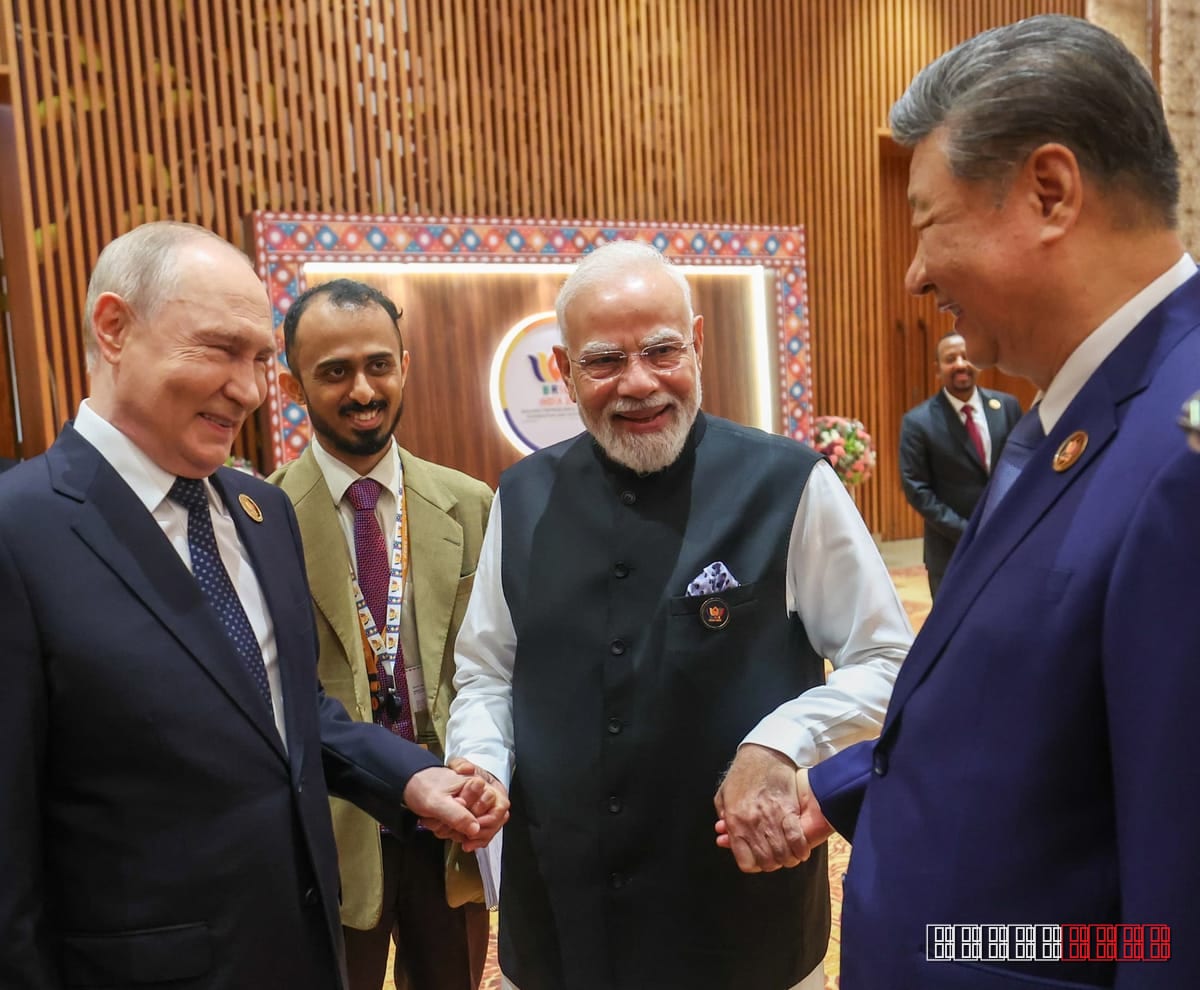
The U.S. House of Representatives has approved legislation that would grant the president authority to levy tariffs of up to 100% on any foreign nation that purchases Russian oil, CNBC reported. The bill, which moves forward to the Senate, is framed as a tool to pressure countries that continue to buy fuel from Moscow despite Western sanctions.
By focusing on the two largest importers of Russian crude—India and China—the measure could give former President Donald Trump a powerful bargaining chip in his broader strategy to counter Beijing’s economic rise. Both economies rely heavily on Russian oil to meet energy demand, and the prospect of a full‑tariff could force them to reconsider their supply chains.
The United States has employed secondary sanctions against Russia since its invasion of Ukraine in 2022, targeting banks, shipping firms and oil exporters. Those sanctions typically restrict access to the U.S. financial system, but the new proposal would add a direct tariff component, a step that mirrors earlier actions against Iran and Venezuela where the U.S. imposed steep duties on third‑party buyers of prohibited goods. This approach aims to close loopholes that allow sanctioned commodities to reach global markets.
Politically, the bill aligns with Trump’s longstanding rhetoric about using economic levers to curb China’s influence. While the former president is no longer in office, the legislation could shape the policy landscape for any future administration that shares his hard‑line stance. Supporters argue that the tariff threat could compel India and China to reduce Russian oil imports, thereby tightening the economic squeeze on Moscow.
If enacted, the tariffs could raise the cost of Russian oil for Indian and Chinese refiners, potentially driving up regional fuel prices and encouraging a shift toward alternative suppliers such as the United Arab Emirates or domestic production. However, analysts warn that such a move might also provoke retaliatory measures against U.S. exports, complicating trade relations with two of the world’s biggest economies.
The bill now faces a Senate vote and, if passed, would require the president’s signature before any tariffs could be imposed. Implementation details—including how the tariff rate would be calculated and which imports would be subject to the levy—remain to be worked out, leaving significant uncertainty about the timeline and practical impact of the proposal.
This report is based on original reporting by CNBC. Read the original source →