Surging diesel costs threaten U.S. logistics and broader growth
Record diesel prices are squeezing freight operators, and economists warn the ripple effects could reach the wider economy.
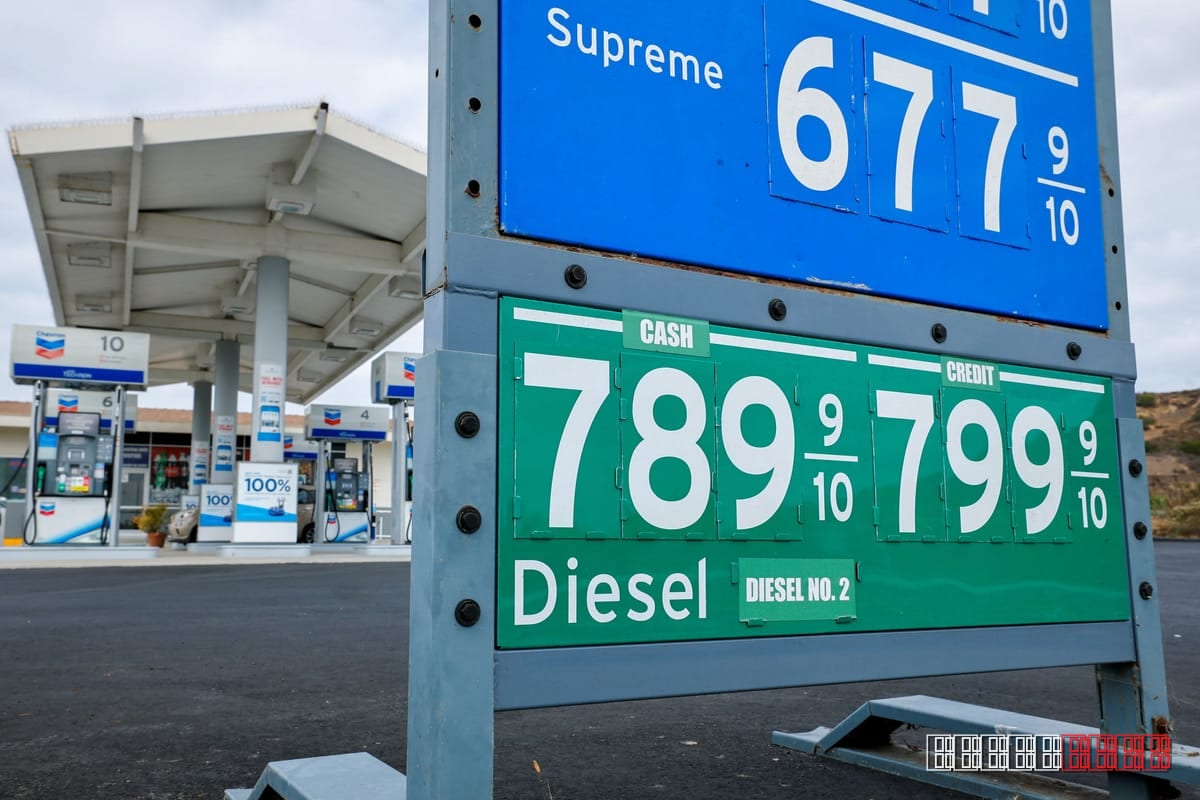
U.S. diesel prices have climbed to historic highs, with the national average hovering above $5 per gallon, according to CNBC. The spike is already forcing trucking firms to trim routes and rail carriers to reassess freight schedules, as higher fuel bills erode profit margins across the transportation sector.
The immediate fallout is visible on highways and rail yards. Major carriers such as Schneider National and Union Pacific have announced temporary price hikes for shippers, while some smaller operators are reducing mileage to stay afloat. CNBC reported that diesel‑fuel expenses now account for roughly 30% of total operating costs for long‑haul trucks, up from about 22% a year ago. The pressure is prompting logistics managers to explore alternative fuels and more efficient routing software, but short‑term relief remains limited.
Beyond the direct impact on freight, the broader economy could feel the strain as higher transportation costs translate into pricier goods for consumers. When carriers raise rates, manufacturers often pass those expenses onto retailers, inflating prices for everything from groceries to construction materials. Economists caution that persistent diesel inflation could dampen consumer spending, a key driver of U.S. GDP growth, especially if the trend coincides with tighter monetary policy.
Historically, diesel price spikes have acted as early warning signs of supply‑chain bottlenecks. In the early 2000s, a surge in oil prices contributed to a slowdown in freight volumes, prompting the Federal Reserve to monitor energy costs as a gauge of inflationary pressure. Today, the convergence of geopolitical tensions, reduced refinery output, and elevated demand for freight services creates a perfect storm. Policymakers may face a dilemma: intervene to stabilize fuel markets or allow market forces to correct, risking further economic drag.
If diesel prices remain elevated, analysts expect a gradual shift toward more fuel‑efficient technologies, such as electric trucks and hydrogen fuel cells, accelerating a transition that industry groups have long advocated. In the meantime, businesses and consumers alike must brace for higher transportation costs that could reverberate through the supply chain for months to come.
This report is based on original reporting by CNBC. Read the original source →