Court hears appeal over mushroom‑poisoning murder case after hotel error
Erin Patterson's conviction for killing relatives with a toxic mushroom‑laden beef Wellington is challenged amid claims of a critical hotel mix‑up.
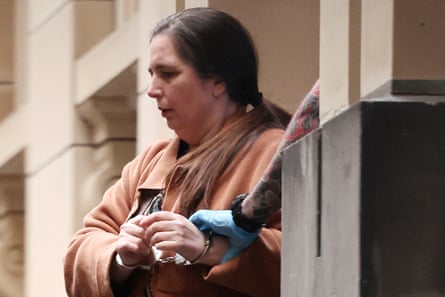
Erin Patterson, who was found guilty of murdering two family members by serving a beef Wellington contaminated with poisonous mushrooms, is now seeking to overturn her conviction. Her legal team has lodged an appeal that centers on what they describe as a "catastrophic" mix‑up at the hotel where the fatal meal was prepared.
During the original trial, prosecutors presented forensic evidence linking the mushroom toxin found in the victims’ bodies to the dish prepared at the hotel. Patterson’s defence argues that a clerical error at the hotel led to the swapping of food samples, contaminating the chain of custody and undermining the reliability of the key evidence. The appeal hearing, held at a Crown Court in England, heard testimony from hotel staff who said multiple orders were processed simultaneously on the night of the dinner, increasing the risk of cross‑contamination.
The defence maintains that the error was not merely procedural but fundamentally compromised the prosecution’s case, potentially affecting the verdict. They request that the conviction be quashed and a retrial ordered, emphasizing the need for a fair assessment of the forensic findings. The Crown Prosecution Service, while acknowledging the alleged mix‑up, contended that the toxic mushroom residue was uniquely identified and matched to the specific dish served to the victims.
Legal experts note that appeals based on evidence handling are relatively rare but can succeed if the court determines that procedural failures materially impacted the trial’s outcome. The judge presiding over the appeal has yet to deliver a ruling, but the case has drawn public attention to the complexities of forensic evidence in food‑related homicide prosecutions.
If the appeal is granted, Patterson could face a new trial, where the prosecution would need to present untainted evidence to secure another conviction. Until then, the case remains a focal point for discussions about courtroom standards, forensic integrity, and the tragic consequences of mushroom poisoning.