Death toll climbs as flash floods ravage Nepal and western China
More than 75 people are confirmed dead and hundreds remain missing after sudden floods swept mountain communities, highlighting climate‑change risks in the Himalayas.
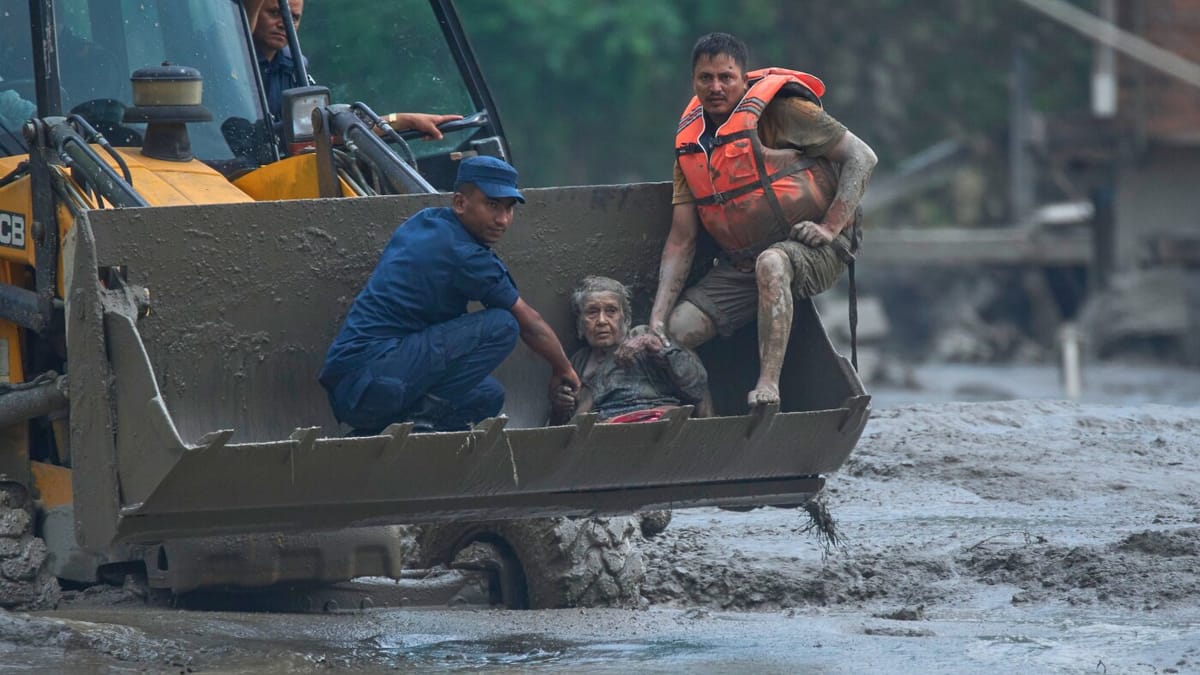
Heavy rain triggered flash floods that swept through remote valleys in Nepal and western China this week, leaving at least 75 people dead and leaving hundreds still unaccounted for. The deluge struck in the early hours of Tuesday, overwhelming narrow mountain roads and washing away homes built on steep slopes. Rescue teams from both nations scrambled to reach isolated hamlets, using helicopters, all‑terrain vehicles and local volunteers to pull survivors from the water and search for the missing.
Local officials in Nepal’s Dolpa and Mustang districts declared a state of emergency, mobilising army units and the Nepalese Red Cross to set up temporary shelters for displaced families. In China’s Qinghai province, provincial authorities dispatched disaster‑relief troops and opened emergency shelters in the towns of Yushu and nearby villages. Both governments have appealed for additional aid, and neighboring countries have offered assistance, though the rugged terrain continues to hamper relief operations.
Scientists monitoring the region say the floods are part of a growing pattern of extreme weather events linked to a warming climate. The Himalayas, already vulnerable to glacial melt and landslides, are now facing more intense monsoon bursts that can swell rivers within minutes. “The combination of steep topography and rapidly changing precipitation makes this area a hotspot for flash flooding,” one climate expert explained, noting that similar incidents have become more frequent over the past decade.
Humanitarian groups warn that the number of missing could rise as search efforts continue in hard‑to‑reach areas. Families of the victims are gathering at community centers, hoping for news about loved ones still unaccounted for. The disaster underscores the urgent need for improved early‑warning systems and infrastructure upgrades in the mountainous regions of South and Central Asia.
As winter approaches, authorities are also preparing for the risk of additional landslides and cold‑related hazards, urging residents to stay vigilant and follow evacuation orders. The tragedy serves as a stark reminder of the human cost of climate‑driven extremes in some of the world’s most fragile environments.