Delhi Police Detain Former Official Ashish Joshi for Nine‑Hour Interrogation
Ashish Joshi, a retired bureaucrat, was questioned by Delhi police for nine hours as part of an ongoing investigation.
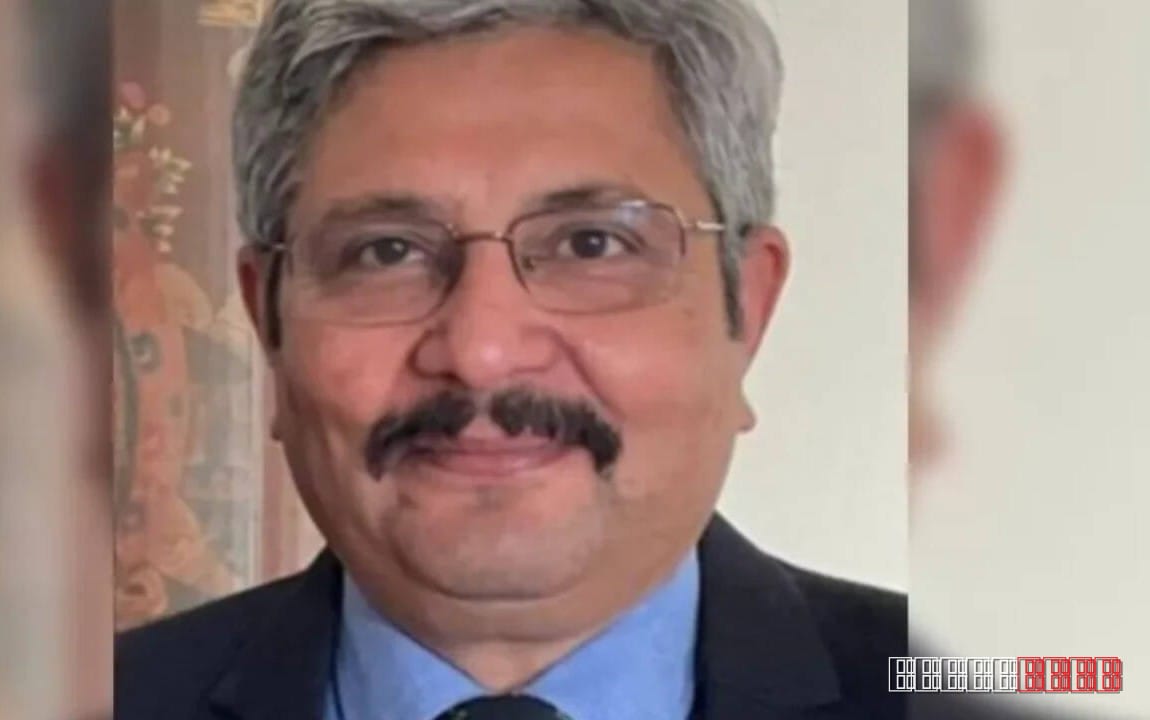
Delhi police spent nine hours questioning former senior bureaucrat Ashish Joshi on Tuesday, according to the Times of India. The former official was brought in for a prolonged interview at the police headquarters, though the agency has not disclosed the exact subject of the inquiry.
Joshi, who retired after a career spanning several ministries, is said to have cooperated with investigators. Police officials confirmed the duration of the questioning but declined to comment on whether any charges are being considered. The Times of India report noted that the interrogation took place without the presence of a legal counsel, a detail that has drawn attention from legal observers.
In India, it is not uncommon for law‑enforcement agencies to summon retired civil servants when probing matters that may involve administrative decisions made during their tenure. Such inquiries often relate to procurement irregularities, land allocation disputes, or alleged policy violations. While the Constitution provides certain protections to former officials, the police retain the authority to question them as witnesses or suspects under the Code of Criminal Procedure.
The practice of questioning ex‑bureaucrats has intensified in recent years, especially after high‑profile corruption scandals have prompted stricter oversight. The Central Vigilance Commission and the Enforcement Directorate have both increased scrutiny of past administrative actions, leading to a surge in interrogations of retired officers. Analysts say this trend reflects a broader effort to hold public servants accountable, even after they leave office.
Legal experts caution that the absence of a lawyer during a lengthy interrogation could raise procedural concerns, though police are permitted to conduct questioning without counsel if the individual consents. The outcome of Joshi’s interview remains unclear, and the police have not announced any subsequent steps.
The case underscores the delicate balance between investigative authority and the rights of former officials. As the inquiry unfolds, it will likely add to the ongoing discourse on transparency and accountability within India’s bureaucratic framework.
This report is based on original reporting by Times of India. Read the original source →