Delhi Secures 21st Spot in 2024 Clean Air Rankings, Outpacing Mumbai and Bengaluru
The latest Clean‑Air Report Card gives Delhi 172 points, tying with Visakhapatnam and moving ahead of several major metros, NDTV reports.
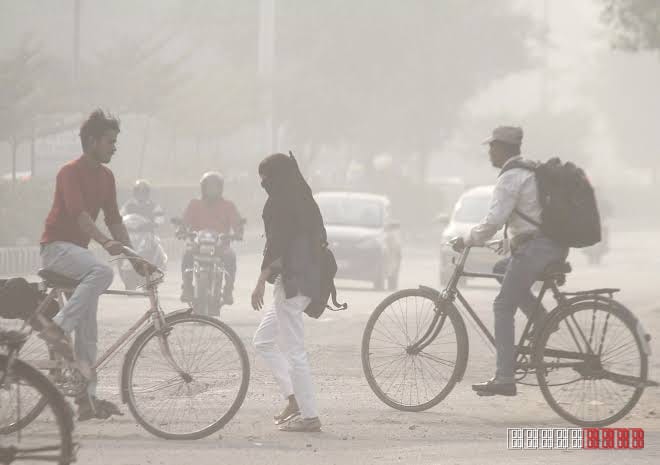
The Clean‑Air Report Card released this week placed Delhi at 172 points, sharing the 21st position with Visakhapatnam. According to NDTV, the capital city edged out Mumbai, Bengaluru and Kolkata in the latest assessment of Indian urban air quality.
The ranking, which covers both major metros and smaller towns, shows a mixed picture for India’s most populous centers. While Delhi’s score nudged it into the top half of the list, cities such as Hyderabad and Chennai occupied higher slots, and several Tier‑2 towns posted surprisingly strong results. The report groups cities by a points system that reflects average concentrations of key pollutants like PM2.5, PM10, NO₂ and SO₂ over the past year.
Scoring methodology blends data from government‑run monitoring stations with satellite‑derived estimates to produce a composite figure for each location. A lower point total indicates cleaner air, so Delhi’s 172 points suggest it remains burdened by pollution, even though it performed better than some of its peers. The tie with Visakhapatnam underscores that coastal towns can sometimes match inland metros in air‑quality performance.
India’s push for cleaner air gained momentum after the launch of the National Clean Air Programme (NCAP) in 2019, which set a target of a 20‑percent reduction in particulate matter concentrations by 2024. The programme mandates continuous monitoring, public reporting and city‑specific action plans. The Clean‑Air Report Card is one of the tools used to gauge progress and to highlight where policy interventions are most needed.
The latest figures carry weight for municipal authorities and health officials alike. Persistent exposure to high levels of fine particulate matter is linked to respiratory and cardiovascular diseases, a concern for a country where urban populations are expanding rapidly. Cities that lag behind may face stricter regulatory scrutiny, while those showing improvement could attract investment in green infrastructure. For Delhi, the ranking offers both a warning and an incentive to accelerate measures such as expanding public transport, tightening vehicle emissions standards, and increasing green cover.
Overall, the report underscores that while some Indian cities are making headway, many still grapple with air‑quality challenges that affect millions of residents daily. Continued transparency and data‑driven policies will be crucial as the nation strives to meet its NCAP objectives and safeguard public health.
This report is based on original reporting by NDTV. Read the original source →