Djibouti Football Federation under scrutiny for alleged misuse of FIFA aid
International bodies question the handling of more than $1 million in annual funding by Djibouti's football authority.
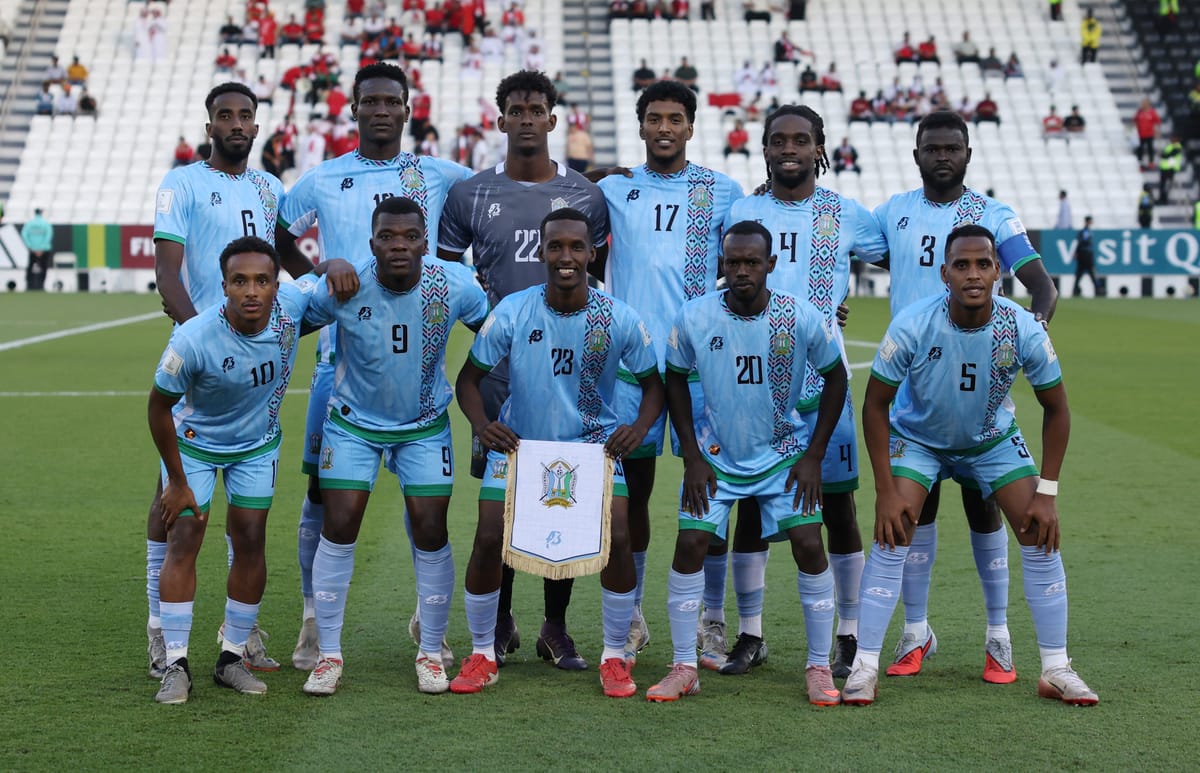
The Djibouti Football Federation (DFF) has come under intense scrutiny after allegations emerged that it may have diverted funds provided by FIFA and the Confederation of African Football (CAF). Both organizations allocate upwards of $1 million each year to support the development of football infrastructure, training programs and youth initiatives in the Horn of Africa nation. Critics say that a portion of these resources has not been used for the intended projects, raising concerns about governance and transparency within the DFF.
Officials from FIFA and CAF have reportedly begun preliminary reviews to verify the claims. While no formal sanctions have been announced, the potential breach of financial protocols could trigger an ethics investigation under FIFA’s governance framework. The DFF has not released a detailed response, but a spokesperson indicated that the federation remains committed to “accountability and the growth of football in Djibouti.”
The accusations arrive at a time when African football associations are under heightened pressure to demonstrate proper stewardship of international aid. Recent years have seen several high‑profile cases of misallocation of development funds across the continent, prompting FIFA to tighten oversight mechanisms. Stakeholders in Djibouti, including local clubs and grassroots coaches, have expressed unease, fearing that the controversy could stall ongoing projects such as stadium renovations and youth academy expansions.
If the investigations confirm misuse, the DFF could face penalties ranging from the suspension of future funding to broader sanctions affecting its participation in regional competitions. Observers note that transparent handling of the situation will be crucial for preserving the trust of both donors and the Djiboutian football community.
The unfolding case highlights the broader challenge of ensuring that global football bodies’ financial contributions reach the grassroots levels they are meant to serve, especially in smaller nations where oversight resources may be limited.