EU directs new humanitarian funding toward Africa's migration and food crises
The European Union has approved a fresh aid package focused on sub‑Saharan Africa to address displacement, conflict and hunger.
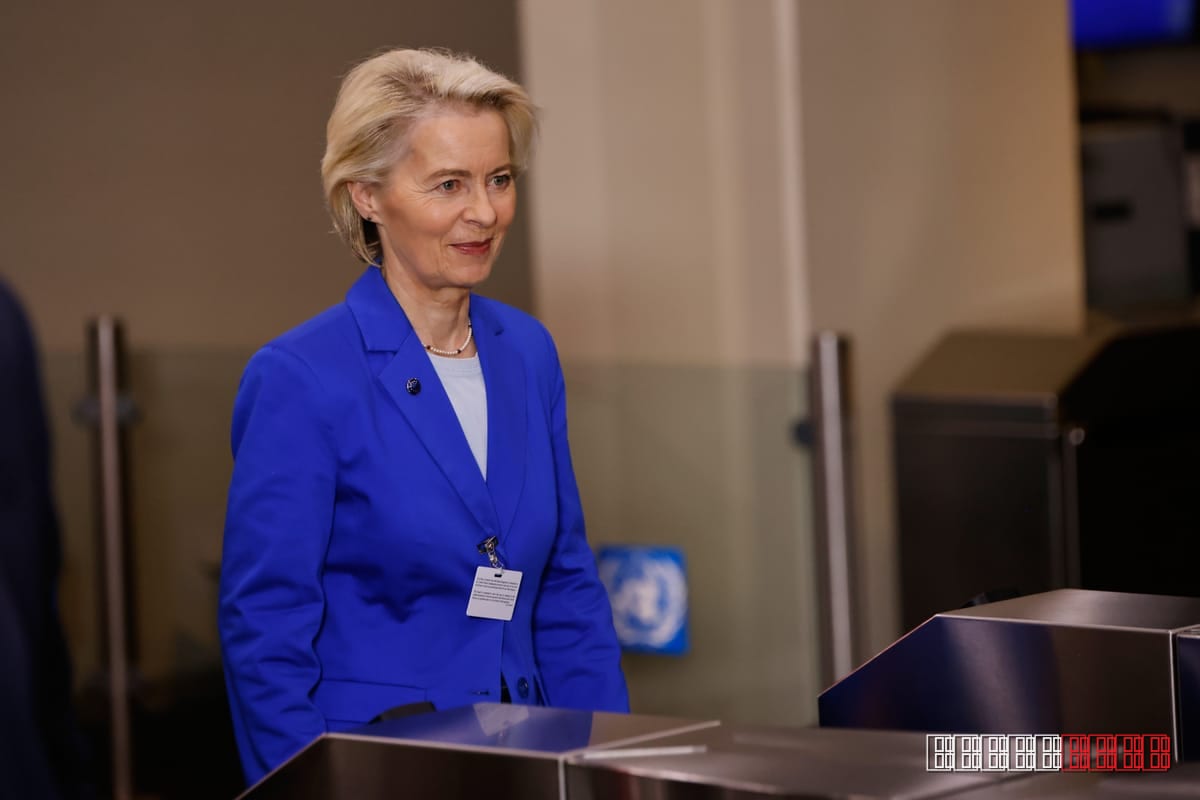
The European Union announced a new humanitarian assistance package that will channel most of its resources to sub‑Saharan Africa, targeting migration pressures, ongoing conflicts and acute food insecurity, Al Jazeera reported. The allocation reflects the bloc’s effort to respond to multiple, overlapping emergencies across the continent while also supporting other regions in need.
The aid programme is designed to finance a range of interventions, from emergency food distribution and nutrition support to shelter for displaced families and services that help manage irregular migration flows. By concentrating on the most vulnerable populations, the EU hopes to mitigate the humanitarian fallout of wars and climate‑driven scarcity that have forced millions to move in search of safety and livelihoods.
Background and significance
The EU’s humanitarian budget has grown steadily over the past decade, driven by crises in the Middle East, Africa and parts of Asia. Under the European Civil Protection and Humanitarian Aid Operations (ECHO) framework, the bloc coordinates contributions from member states and channels them through UN agencies and NGOs on the ground. Historically, sub‑Saharan Africa has been a major recipient of EU aid, accounting for roughly half of the union’s humanitarian spending. Recent years have seen a surge in conflict‑related displacement in the Sahel, as well as drought‑induced food shortages, prompting the EU to prioritize the region in its latest funding round.
The new package also includes provisions for rapid‑response mechanisms that can be activated when emergencies flare up, a lesson learned from past delays in delivering assistance during the 2022 famine in the Horn of Africa. By earmarking funds for both immediate relief and longer‑term resilience projects, the EU aims to reduce dependency on aid and support local capacities to cope with future shocks.
While the exact monetary value of the allocation was not disclosed in the Al Jazeera article, the focus on migration, conflict and food security signals a strategic shift toward addressing the root causes of humanitarian crises rather than solely providing short‑term relief. The move is expected to benefit millions of people across nations such as Ethiopia, Sudan, Nigeria and the Democratic Republic of Congo, where conflict and climate stress have combined to create a volatile humanitarian landscape.
The EU’s decision arrives as international donors grapple with competing priorities and constrained budgets. By reinforcing its commitment to Africa, the bloc hopes to maintain its influence in shaping humanitarian responses and to foster stability in a region that is increasingly central to global security and migration debates.
This report is based on original reporting by Al Jazeera. Read the original source →