Florida State linebacker Ethan Pritchard emerges from coma, plans return
After a month-long coma following a gunshot wound, the Seminoles' defensive star is working toward a football comeback.
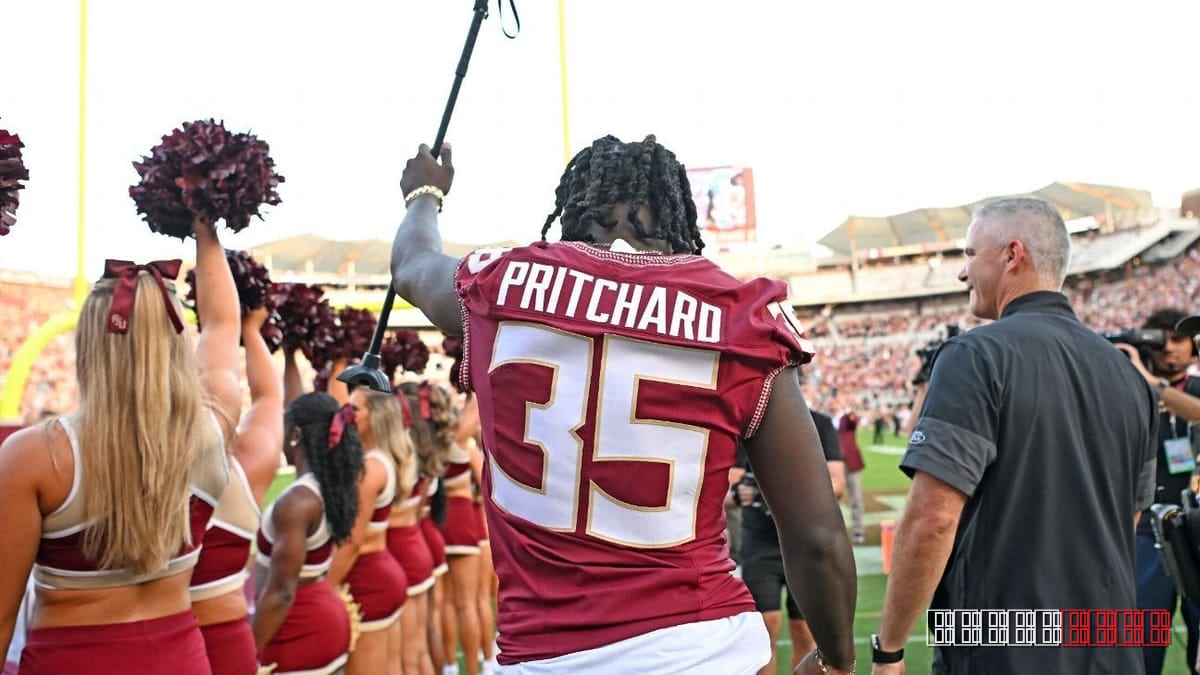
Florida State’s once‑promising linebacker Ethan Pritchard survived a near‑fatal gunshot wound to the head and spent roughly four weeks in a medically induced coma. According to ESPN, doctors were initially uncertain whether he would ever regain consciousness, but he has since awakened and is now focusing on rehabilitation with an eye toward rejoining the Seminoles on the field.
The incident occurred in early August when Pritchard was shot while traveling in Tallahassee. Emergency responders rushed him to a local hospital, where neurosurgeons performed emergency surgery to remove the bullet and control intracranial bleeding. ESPN reported that after the operation he was placed in a coma to reduce brain swelling, a standard protocol for severe head trauma. He was transferred to a specialized neuro‑rehab unit in September, where physical therapists began a gradual program of cognitive and motor skill exercises.
In recent weeks, Pritchard has progressed from basic mobility drills to light resistance training under the supervision of Florida State’s athletic trainers. Head coach Mike Norvell, speaking to the media, said the linebacker’s determination “is something you don’t see every day,” and added that the coaching staff will evaluate his readiness on a case‑by‑case basis. While no timetable has been set for his return, the player has expressed a desire to finish his senior season and possibly pursue a professional career.
Pritchard’s story joins a lineage of college athletes who have overcome life‑threatening injuries to resume play. Notable examples include former Ohio State quarterback J.T. Barrett, who returned after a severe ankle fracture, and former Texas defensive end Aaron Ross, who recovered from a broken neck. Advances in sports medicine, combined with NCAA guidelines that prioritize athlete health, have made such comebacks increasingly feasible, though each case remains highly individualized.
If Pritchard can regain his pre‑injury form, his return would bolster a Florida State defense that struggled with depth last season. Analysts note that his speed and tackling ability could help the Seminoles improve against rival ACC opponents. The coming months will be critical as medical staff conduct neuro‑cognitive testing and the player continues to rebuild strength, but the optimism surrounding his recovery underscores the resilience often seen in collegiate football.
This report is based on original reporting by ESPN. Read the original source →