US Federal Reserve raises rates for first time in three years amid stubborn inflation
The central bank’s unanimous decision ends a long stretch of low borrowing costs as consumer prices stay high, despite political pressure for cheaper credit.
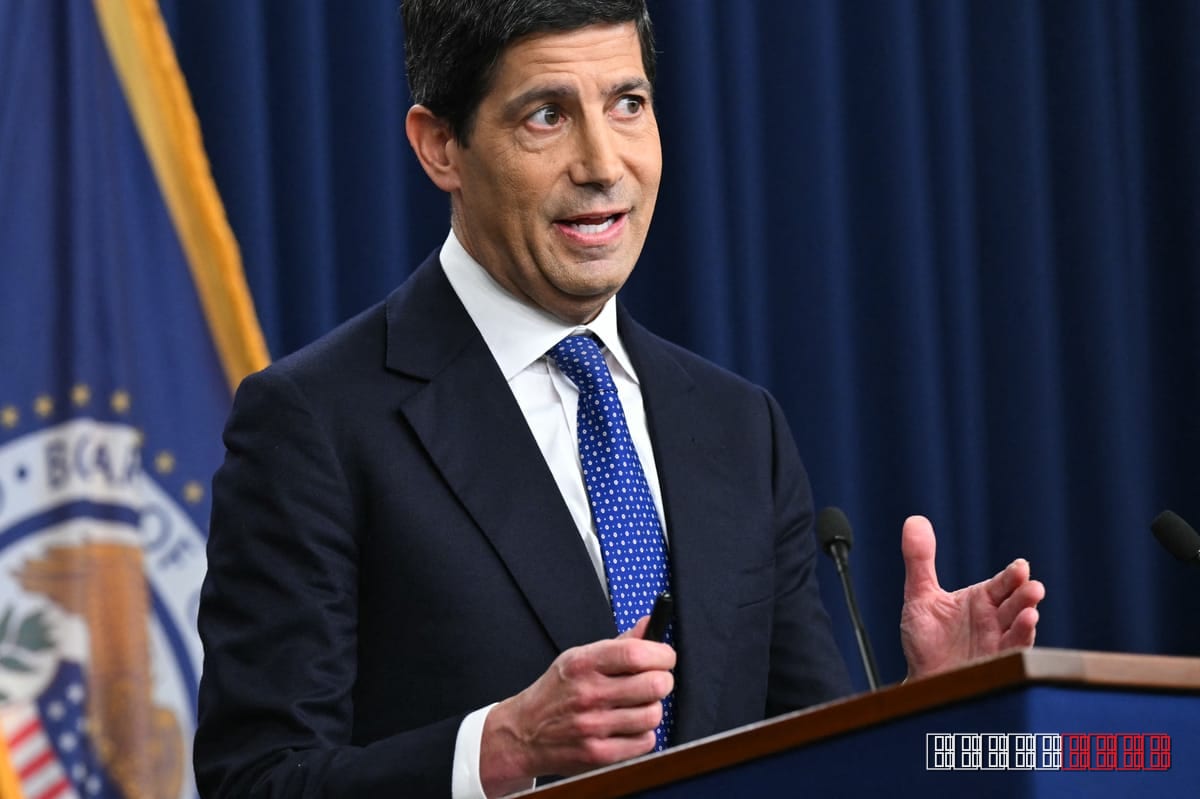
The United States Federal Reserve announced a hike to its benchmark interest rate, marking the first increase since 2023. The move ends a three‑year period during which the central bank kept rates at historically low levels to support the post‑pandemic recovery.
According to Al Jazeera, the decision was unanimous among the Fed’s policymakers and came despite former President Donald Trump’s public calls for lower rates. Officials said the rise was necessary because price growth has remained “stubbornly high,” signalling that inflation is still above the Fed’s 2 % target.
The rate change reflects a broader shift in monetary policy that began in early 2020, when the Fed slashed rates to near‑zero and launched massive asset‑purchase programmes to cushion the economy from COVID‑19 disruptions. As the pandemic receded, inflation surged, prompting the central bank to reverse course with a series of cuts in 2022 and 2023. By mid‑2026, price pressures had not eased sufficiently, leading the board to act.
Market analysts expect the hike to raise borrowing costs for households and businesses, affecting everything from mortgage payments to corporate loans. Higher rates typically cool demand, which can help bring inflation down but also risk slowing growth if applied too aggressively. Investors are watching closely for signals about the pace of future hikes.
Historically, the Federal Reserve adjusts rates in response to evolving economic data, aiming to balance price stability with maximum employment. A unanimous vote suggests strong consensus that the economy can absorb tighter money without tipping into recession. The decision also reverberates globally, as US rates influence capital flows and currency values worldwide.
Looking ahead, the Fed has signalled that further adjustments will depend on upcoming inflation reports and labour market trends. If price growth continues to moderate, policymakers may pause or even consider easing again, but the current trajectory points toward a more restrained monetary stance for the foreseeable future.
This report is based on original reporting by Al Jazeera. Read the original source →