Former CJI and Legal Scholars Endorse Tata Sons’ Reappointment of Chandrasekaran
A group of former judges and constitutional lawyers have voiced support for Tata Sons’ decision to retain N Chandrasekaran as chairman, citing compliance with corporate law.
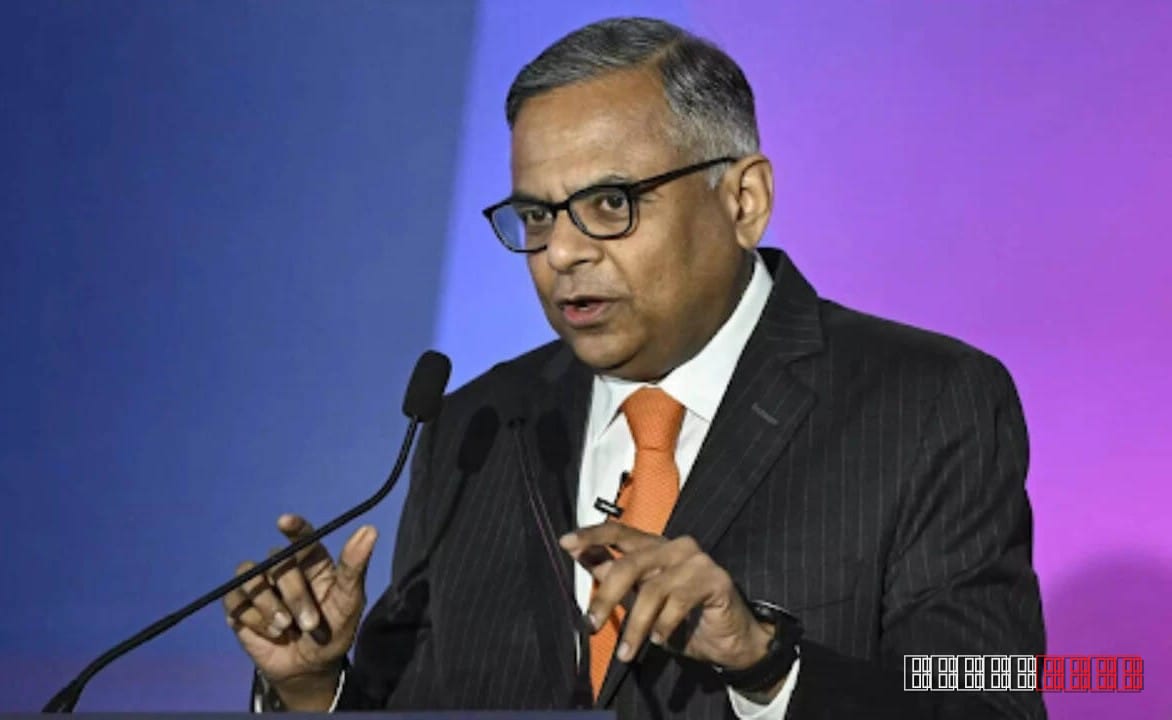
Tata Sons’ board has moved to extend N Chandrasekaran’s term as chairman, a step that has drawn praise from a former Chief Justice of India and a number of senior legal experts. The Times of India reported that the ex‑CJI, along with several constitutional scholars, said the reappointment aligns with the Companies Act and the group’s own governance framework.
The endorsement comes after a brief period of shareholder dissent, during which a minority of investors questioned the transparency of the selection process. Critics had filed petitions alleging that the board’s decision might sideline independent oversight. However, the legal community cited in the Times of India article argued that the board followed all statutory requirements, and that Chandrasekaran’s track record justifies continuity.
Tata Sons, the holding company for the sprawling Tata conglomerate, has historically been guided by a mix of family trustees and professional managers. Chandrasekaran, who rose from the helm of Tata Consultancy Services to lead the entire group, has overseen a series of high‑profile acquisitions and digital transformations. His tenure has been marked by both rapid growth and occasional controversy, prompting shareholders to demand clearer succession planning.
In India, the appointment of chairpersons for large family‑controlled firms often attracts scrutiny from regulators and activists who fear concentration of power. The legal endorsement highlighted by the Times of India underscores a broader trend where courts and former jurists are called upon to validate corporate governance decisions, especially when they involve influential business houses.
The backing from the ex‑CJI and other legal minds is likely to quell immediate legal challenges and reassure investors that the board’s choice is defensible under Indian law. It also sends a signal to other conglomerates that adherence to statutory procedures can mitigate activist pressure.
While the reappointment solidifies Chandrasekaran’s leadership for the next few years, analysts note that the real test will be how Tata Sons navigates upcoming regulatory reforms and global market volatility. The company’s next strategic moves, especially in renewable energy and technology, will be closely watched by both domestic and international stakeholders.
This report is based on original reporting by Times of India. Read the original source →