Former Election Commissioner Ashok Lavasa says SIR may be legal but not fair
Lavasa cautions that the Special Investigation Report, while lawful, could undermine confidence in India’s democratic institutions.
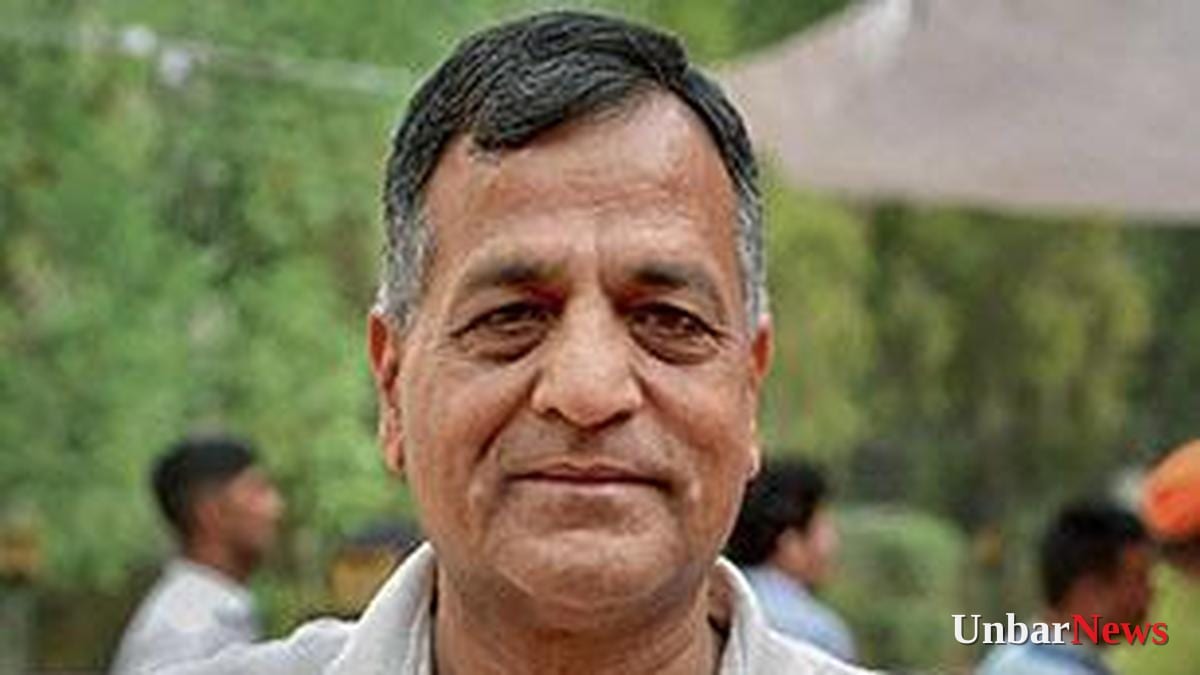
Former Election Commissioner Ashok Lavasa told reporters that the Special Investigation Report (SIR) ordered by the Supreme Court is “legal but not fair,” adding that recent actions by statutory bodies give the impression that “might is right.” The Hindu reported his remarks, which came amid a broader debate over the independence of India’s constitutional institutions.
The SIR stems from a 2022 Supreme Court directive that the Central Bureau of Investigation produce a detailed report on allegations that Lavasa, while serving as an Election Commissioner, had attempted to influence the 2019 Lok Sabha elections. The controversy began when a former senior election official alleged that Lavasa tried to sway the timing of the election schedule to benefit the ruling party. The Court set a deadline for the CBI to submit its findings, prompting the current scrutiny.
Lavasa’s criticism targets not only the investigative process but also the way other constitutional bodies have responded. He suggested that a pattern is emerging where agencies prioritize power over procedural fairness, a sentiment echoed by several legal scholars who fear such a trend could erode the checks and balances built into the Indian democratic framework.
The Election Commission of India, an autonomous constitutional authority, has historically been tasked with ensuring free and fair elections. Its credibility suffered after the 2019 episode, leading to calls for reforms to safeguard its independence. Observers note that the Commission’s role is pivotal in a country of 1.4 billion voters, where any perception of bias can fuel political polarization.
Lavasa’s warning about public disenchantment resonates with recent voter turnout data that shows a modest decline in participation across several states. When citizens perceive that legal mechanisms are being wielded unevenly, trust in the democratic process can wane, potentially affecting future electoral engagement. Analysts stress that transparent and impartial investigations are essential to restore confidence and uphold the rule of law.
The outcome of the SIR will likely influence not only Lavasa’s personal legal standing but also broader debates on institutional integrity in India. As the CBI finalizes its report, stakeholders from civil society to political parties are watching closely, aware that the findings could set precedents for how high‑profile political investigations are conducted.
This report is based on original reporting by The Hindu. Read the original source →