Former State Department adviser calls US‑Syria diplomatic shift surreal
A veteran U.S. Syria specialist says the recent easing of tensions marks an unexpected turn in bilateral ties.
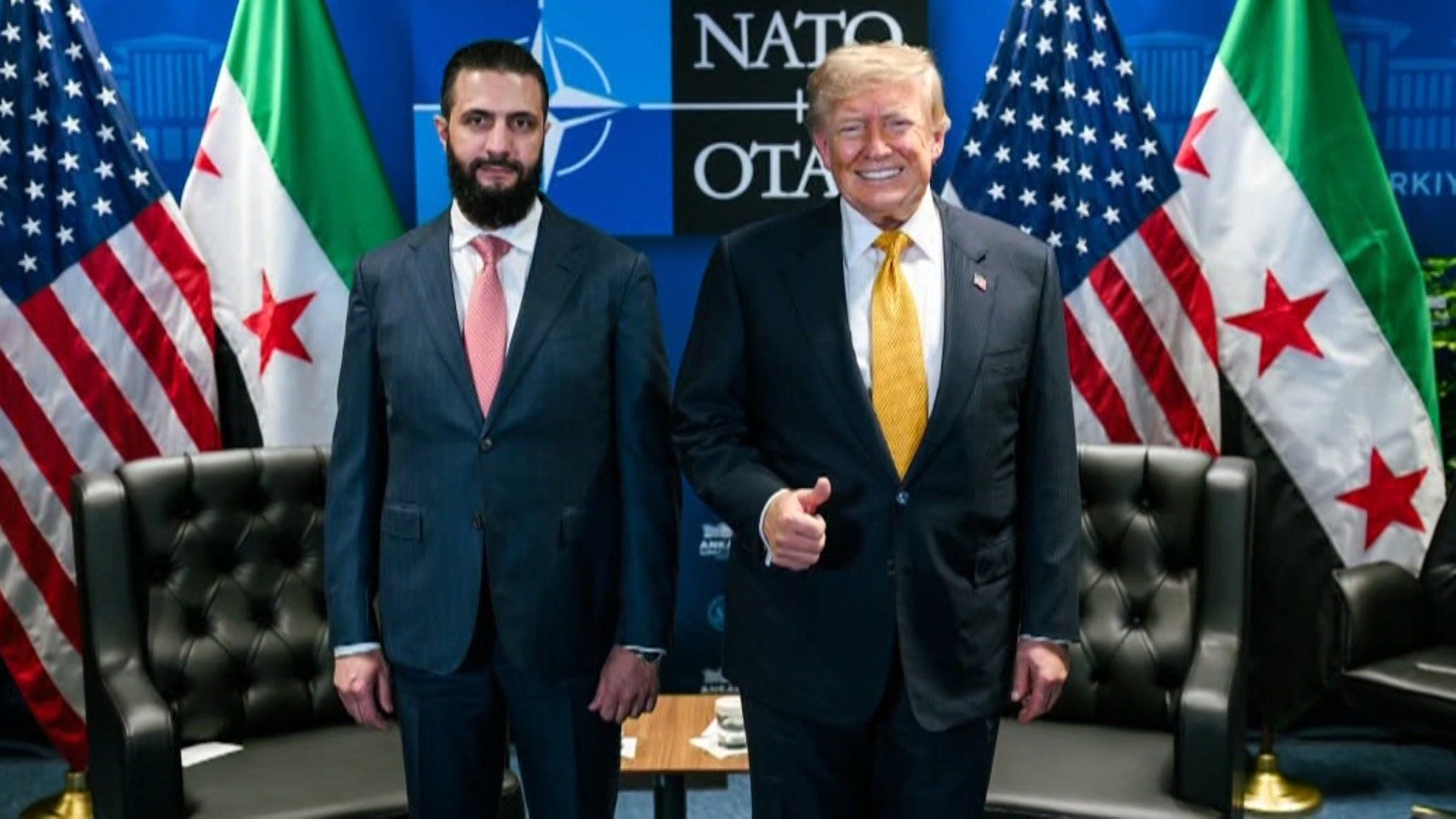
A former senior adviser to the U.S. State Department on Syrian affairs told Al Jazeera’s This is America that the current softening of U.S. policy toward Damascus feels "surreal." The comment came as Washington signals a willingness to engage with the Assad government after more than a decade of diplomatic isolation.
U.S.-Syria relations have been strained since the early 2000s, deepening after the outbreak of the Syrian civil war in 2011. Washington cut diplomatic ties in 2012, imposed sweeping sanctions, and supported opposition groups while condemning human‑rights abuses in Damascus. The two countries have largely operated at arm’s length, with occasional back‑channel talks focused on counter‑terrorism.
In the past year, however, a series of low‑profile moves has suggested a recalibration. The United States has permitted limited humanitarian assistance to pass through Syrian government‑controlled areas, and senior officials have hinted at the possibility of a diplomatic footprint in Damascus once certain conditions are met. These gestures, though modest, contrast sharply with the hardline stance that defined U.S. policy for most of the conflict.
The former adviser, who served in Baghdad and later oversaw Syria‑related policy, described the shift as “a dramatic departure from the narrative that has dominated U.S. discourse for years.” He warned that while the change could open channels for negotiation on issues such as chemical‑weapon verification and refugee return, it also risks legitimizing a regime that has been accused of widespread atrocities.
Analysts note that the evolving posture reflects broader U.S. strategic calculations in the Middle East, including the desire to counter Iranian influence and to stabilize a region still reeling from years of war. Whether the current overture will translate into a lasting rapprochement remains uncertain, but the former official’s remarks underscore how quickly the diplomatic landscape can transform.