From Temple Horn to Holiday Anthem: The Shofar’s Role in Rosh Hashanah
The ancient ram’s horn has become the unmistakable sound that opens Jewish New Year celebrations across the globe.
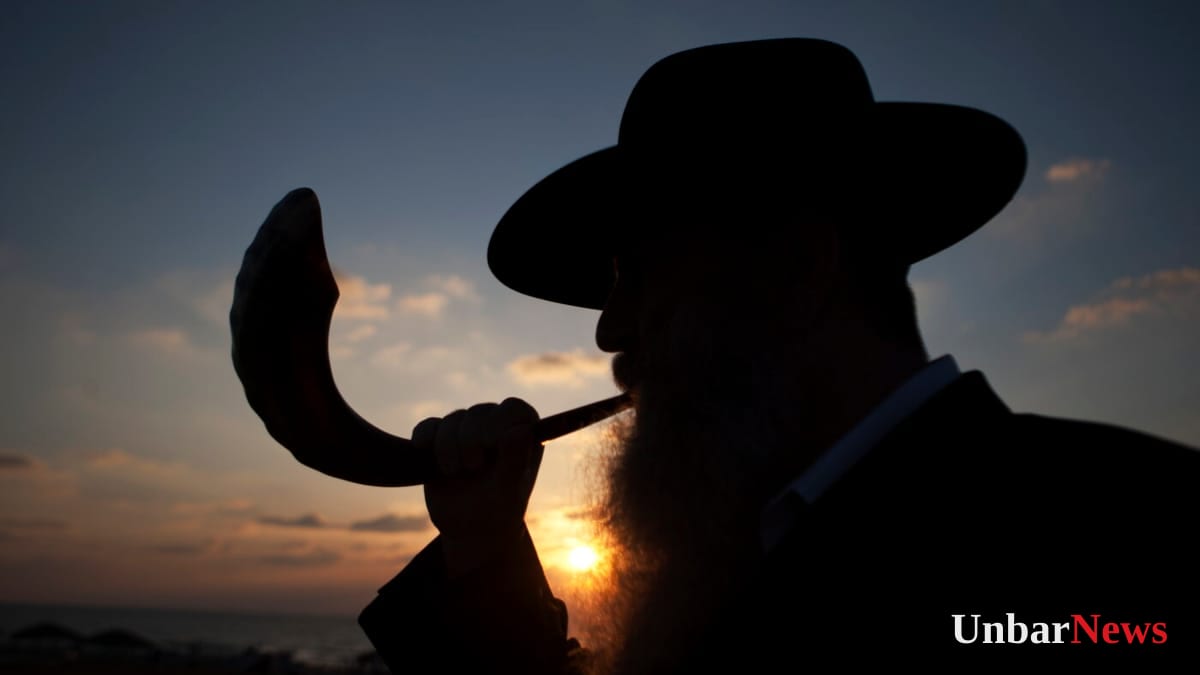
Rosh Hashanah, the Jewish New Year, begins at sunset on Friday, marking a time of reflection, prayer and communal gathering. One of the most striking moments of the holiday is the sound of the shofar – a curved animal horn that is blown like a trumpet. NPR reported that the shofar’s blaring notes are heard in synagogues worldwide, signaling the start of the solemn services that define the day.
The shofar’s origins stretch back to the earliest days of Israelite worship. Biblical texts mention the horn as a summons for battle and a call to assembly, most famously in the Book of Numbers when Moses uses it to rally the Israelites (Numbers 10:1‑10). Over centuries, the instrument transitioned from a military signal to a ritual object, eventually being codified in Jewish law as a mandatory element of Rosh Hashanah worship. Its raw, unamplified sound is intended to awaken listeners, both spiritually and emotionally, urging repentance and renewal.
Modern practice varies, but the core ritual remains the same: a designated cantor or layperson inflates the shofar and produces a series of prescribed blasts – tekiah, shevarim and teruah – each carrying symbolic meaning. The long, unbroken tekiah represents completeness, while the broken sounds of shevarim and teruah evoke the cracks in a broken heart that prayer seeks to mend. According to NPR, the sequence of blasts is meant to stir the soul, echoing the ancient call to return to a covenantal relationship with the divine.
The shofar’s resurgence as a cultural emblem has also been fueled by its presence in media, music and public ceremonies. In the United States, city halls and interfaith gatherings now feature shofar blasts to welcome the new year, highlighting the instrument’s capacity to bridge religious tradition and civic life. This visibility has sparked curiosity among non‑Jewish observers, many of whom attend services simply to experience the powerful, resonant tones.
For Jewish communities, the shofar is more than a ceremonial artifact; it is a reminder of continuity, linking contemporary worshippers with millennia‑old practices. Its sound punctuates the holiday’s themes of judgment, mercy and hope, reinforcing the collective yearning for a sweet new year. As families gather around festive meals and the shofar’s echo fades, its spiritual imprint endures, shaping the way the Jewish New Year is celebrated across continents.
This report is based on original reporting by NPR. Read the original source →