Gambia's President Vows New Power Plants Amid Escalating Blackout Protests
President Adama Barrow announced a 24‑megawatt plant and broader upgrades as street clashes intensify over chronic electricity cuts.
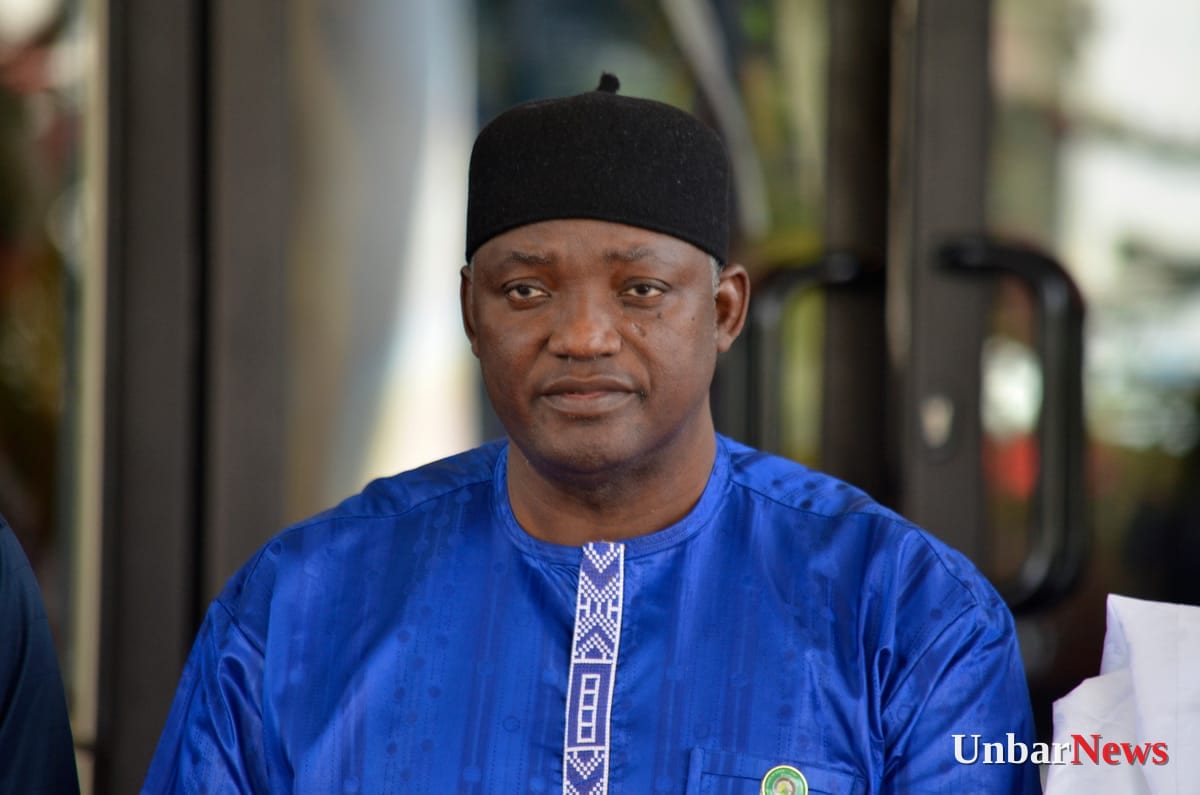
President Adama Barrow told the nation on Saturday that his government will end the cycle of rolling blackouts that have crippled daily life in The Gambia. Al Jazeera reported that the president pledged to commission a new 24‑megawatt power plant and to accelerate a wider overhaul of the country’s aging grid. The announcement came as police clashed with demonstrators in the capital, Banjul, after weeks of growing frustration over frequent outages.
The unrest erupted after the electricity authority announced another round of scheduled cuts to conserve fuel, leaving schools, hospitals and small businesses without power for hours at a time. Protesters set up makeshift barricades and, according to Al Jazeera, some incidents turned violent, with police using tear‑gas and water cannons to disperse crowds. The government has warned that any further disruption could trigger a state of emergency.
Gambia’s power woes are not new. Since gaining independence in 1965, the country has depended heavily on imported diesel generators, a model that became unsustainable as fuel prices surged and the national grid aged. Earlier attempts to diversify energy sources—such as a modest solar pilot in 2022—failed to meet demand, leaving the population vulnerable to blackouts during peak usage. The current crisis has amplified public anger, especially among traders and students who cite lost income and interrupted education as direct consequences.
Barrow’s promise of a 24‑megawatt plant marks the first major capacity addition in over a decade. Energy experts note that while the new plant could ease short‑term shortages, lasting stability will require investment in renewable sources and grid modernization. The president has also hinted at seeking financing from regional development banks, a move that could bring both technical expertise and stricter oversight.
If the government can deliver on its infrastructure pledge, it may quell the immediate unrest, but analysts caution that without systemic reforms the cycle of protests and emergency measures could repeat. For now, residents of Banjul and surrounding towns remain on edge, watching for the first signs that the promised power plant will indeed switch on.
This report is based on original reporting by Al Jazeera. Read the original source →