Giant whales venture into Greenland as Arctic ice retreats
Warming seas and diminishing ice are drawing massive whales into Greenlandic waters for unprecedented feeding opportunities.
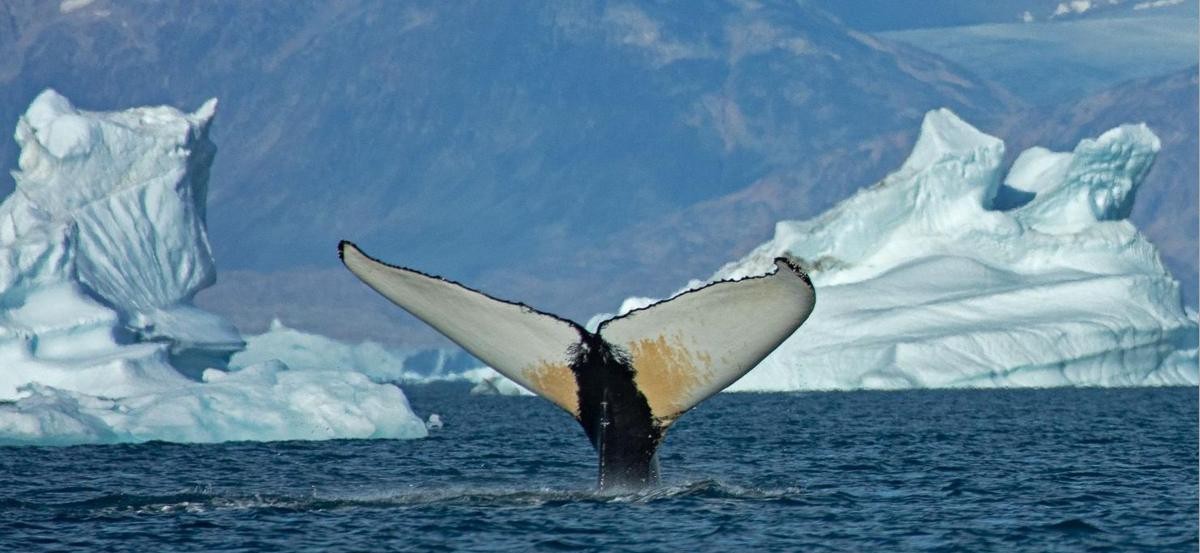
Scientists have documented a noticeable shift in the range of several large whale species as Arctic sea ice continues to melt. The loss of winter ice around Greenland has created a new corridor of open water, allowing giants such as humpback, fin and blue whales to travel farther north than historically recorded.
Marine researchers monitoring the region report that the extended ice‑free season is triggering dense blooms of krill and small fish, which in turn attract the whales for what experts describe as "feeding frenzies." The abundance of prey, combined with easier access through previously ice‑blocked passages, is encouraging the mammals to linger and feed in the high‑latitude waters.
The phenomenon is linked directly to climate‑driven changes in the Arctic environment. Warmer ocean temperatures are not only thinning the ice but also altering the timing and distribution of plankton, the foundation of the marine food web. As a result, the whales are taking advantage of a longer period of productive feeding grounds that were once inaccessible.
While the presence of these apex predators highlights the adaptability of marine life, it also raises questions about the broader ecological impact. Increased whale activity could affect local fish stocks and the dynamics of the Arctic ecosystem, prompting further study by conservation groups and governments.
The observations underscore a tangible example of how climate change reshapes wildlife patterns. Continued monitoring will be essential to understand the long‑term implications for both the whales and the fragile Arctic environment they now inhabit.