Trump administration secures long‑term U.S. security foothold in Greenland
The agreement with Denmark and Greenland gives the United States enduring authority over the island’s defense, including deployment to a remote outpost and reactivation of a former Cold War base.
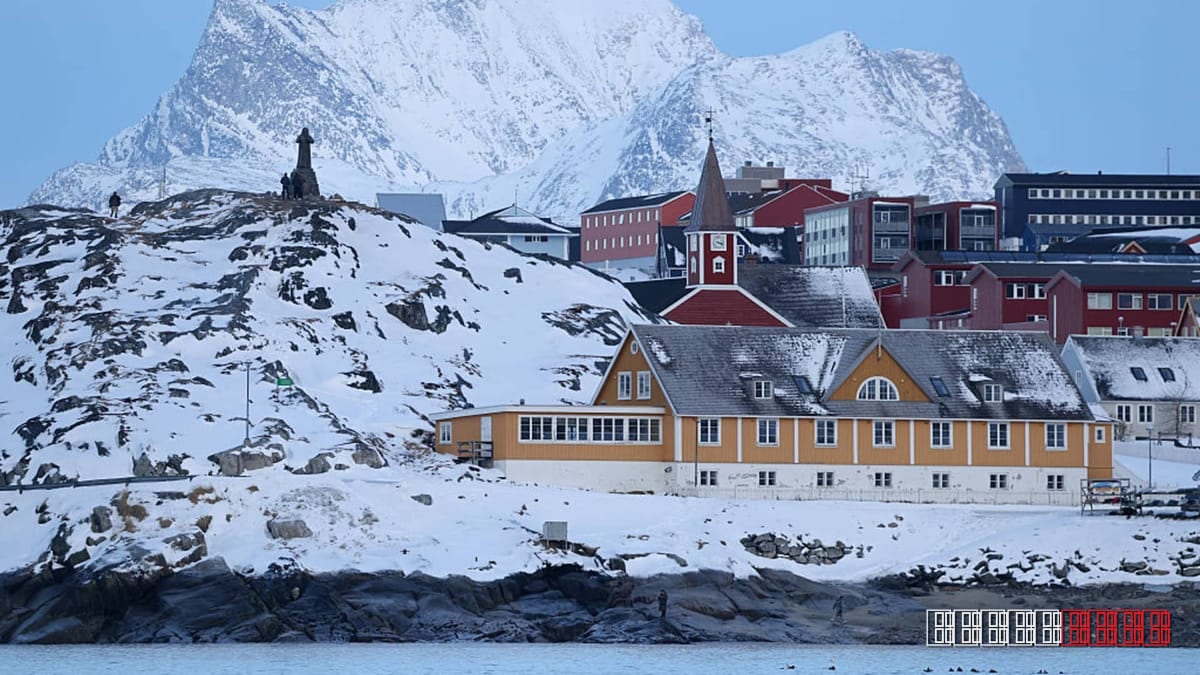
The United States has reached a new security arrangement with Denmark and Greenland that, according to CNBC, will give Washington "permanent control over security" on the Arctic island. President Donald Trump announced that the pact allows U.S. forces to operate freely across Greenland, a move aimed at bolstering America’s strategic posture in the increasingly contested north.
Under the terms of the deal, American troops will be stationed at a modest Danish outpost traditionally accessed by dog‑sled, and the long‑dormant Thule Air Base, a relic of Cold War surveillance, will be reopened for active use. The agreement also outlines joint training exercises and shared intelligence responsibilities between the three parties.
Trump emphasized that the arrangement strengthens both American and Greenlandic security, saying the United States will now have "permanent control over security" in the Danish territory. He framed the decision as a response to growing geopolitical pressure in the Arctic, particularly from Russia’s expanding naval presence.
The Arctic has become a focal point for great‑power competition as melting ice opens new shipping lanes and access to untapped natural resources. Since the early 2000s, the United States has sought to modernize its Arctic capabilities, but political and logistical challenges have limited permanent deployments. Greenland, an autonomous region of Denmark, sits atop the North Atlantic and offers a strategic launch point for missile defense and early‑warning systems, making it a valuable asset for NATO members.
Analysts note that the deal could reshape the balance of power in the region. While Denmark retains sovereignty, the permanent U.S. security role may raise questions about Greenland’s self‑governance and the broader implications for NATO’s collective defense commitments. The move also signals Washington’s intent to counter Russian activity, which has intensified with new icebreaker patrols and the construction of military facilities on the Russian side of the Arctic Circle.
The agreement is expected to generate economic activity in Greenland, from construction jobs at Thule to increased supply contracts for local businesses supporting the outpost. However, environmental groups have warned that expanded military operations could threaten fragile ecosystems and indigenous ways of life, urging the parties to conduct thorough impact assessments before full implementation.
This report is based on original reporting by CNBC. Read the original source →