U.S. Treasury Reviews Feasibility of Diesel Export Restrictions
Treasury officials are assessing whether a full or partial ban on diesel shipments abroad could be implemented without harming domestic refining capacity.
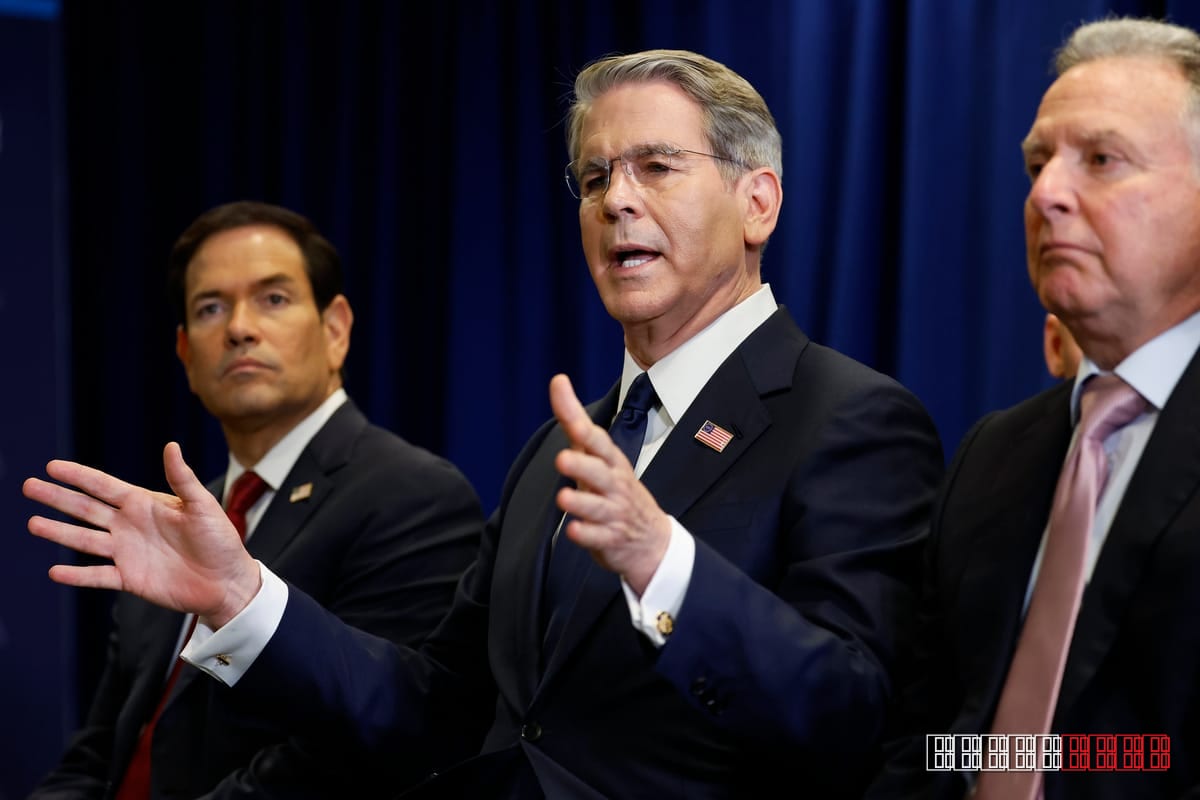
The Biden administration’s Treasury Department has opened a formal review of a possible diesel export ban, Treasury Deputy Secretary Wally Bessent told CNBC. "We're examining whether it's feasible in terms of the overall refining capacity and whether a full or partial ban would work," Bessent said, indicating that policymakers are weighing both logistical and market impacts before any decision is taken.
The inquiry focuses on whether U.S. refineries could sustain domestic demand while limiting shipments to foreign markets, particularly nations that have been targeted by sanctions. Officials are also looking at how a ban might affect the price of diesel at the pump, as well as the strategic reserve of refined products that the United States maintains for emergencies.
Historically, the United States has used export controls as a lever in foreign policy, most notably during the 1970s oil crises and more recently with crude oil bans aimed at curbing Russia’s war effort in Ukraine. Diesel, a critical fuel for military logistics and civilian transport, has become a focal point because Europe’s reliance on Russian diesel has dwindled after sanctions, while demand from countries like Iran remains high. A restriction could therefore serve both as a pressure tool against sanctioned regimes and as a safeguard for domestic supply chains.
Industry analysts warn that a sudden curtailment of diesel exports could tighten global markets, pushing up prices for freight operators and agricultural producers who depend on the fuel. At the same time, U.S. refiners might see higher margins if they are forced to sell more product domestically, though the overall effect would hinge on the scale of any ban. Consumer gasoline and diesel prices could rise modestly, a concern for lawmakers wary of inflationary pressures.
The Treasury’s feasibility study is expected to conclude later this year, after consultations with the Energy Department, the Federal Trade Commission, and key stakeholders in the refining sector. Any final policy would likely require congressional approval, especially if it involves a broad restriction that could impact trade agreements. Until then, the administration remains cautious, balancing geopolitical objectives with the need to keep fuel markets stable.
This report draws on statements made to CNBC and adds contextual analysis of past U.S. export controls and their economic implications.
This report is based on original reporting by CNBC. Read the original source →