IIT Bombay student’s death sparks allegations of caste harassment and campus protest
Parents of the late Sahir Wakode claim he endured casteist slurs, while student leaders say demonstrations are not a shield for alleged faculty misconduct, The Hindu reports.
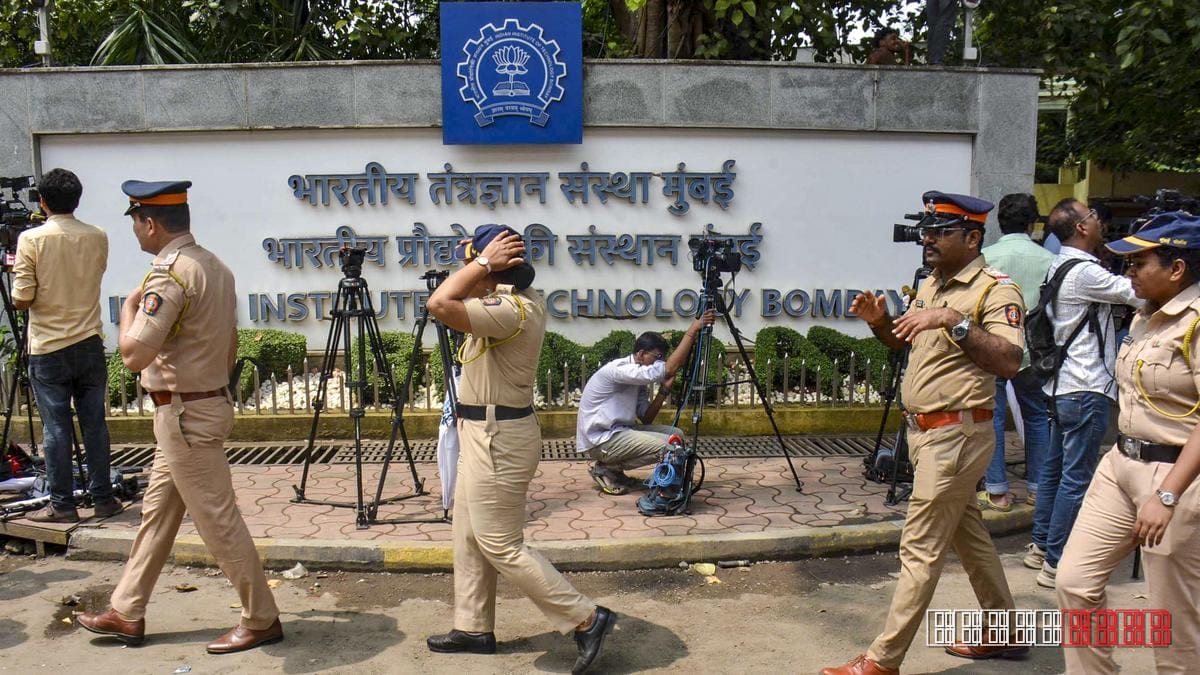
The Hindu reported that the parents of 22‑year‑old IIT Bombay student Sahir Wakode visited the campus earlier this month and were told by their son that he was being "tortured" and subjected to caste‑based insults. According to the family, these remarks preceded the young man’s sudden death, prompting them to demand that a faculty member accused of using the slurs be arrested.
Student representatives at IIT Bombay have responded to the outcry by clarifying that the ongoing protest is not intended to exonerate any alleged wrongdoing by the faculty member. They argue that the demonstrations are aimed at seeking a transparent investigation and ensuring that the institution addresses any form of discrimination, rather than defending the accused professor, as reported by The Hindu.
Police have registered a First Information Report (FIR) based on the parents’ complaint, and the case is now under investigation. The authorities have said they will examine the allegations of casteist abuse, the circumstances surrounding the student’s death, and any possible misconduct by staff. The university has pledged cooperation with law‑enforcement agencies while also urging the campus community to maintain calm.
Caste discrimination remains a contentious issue in Indian higher education. Over the past decade, several high‑profile incidents at premier institutions have highlighted the challenges faced by students from historically marginalized communities. The National Commission for Backward Classes and the Supreme Court have repeatedly called for stricter enforcement of anti‑discrimination policies, yet many campuses struggle with informal bias and harassment. IIT Bombay, like other Institutes of National Importance, has a formal grievance redressal mechanism, but critics argue that institutional responses are often slow and lack transparency.
The Wakode case has reignited debate over how Indian universities handle caste‑related complaints. Advocacy groups stress that prompt, impartial investigations are essential to restore confidence among students and their families. If the faculty member is found culpable, it could lead to disciplinary action under the university’s code of conduct and potentially set a precedent for handling similar grievances nationwide.
As the investigation proceeds, the campus remains a focal point for both mourning and activism. Students, faculty, and alumni are watching closely, aware that the outcome could shape policies on campus safety, inclusivity, and the broader fight against caste‑based discrimination in India’s elite academic circles.
This report is based on original reporting by The Hindu. Read the original source →