Kerala’s tribal women left without safe menstrual shelters
A single, dilapidated valaimpura in a remote district serves roughly 100 women and girls, raising health concerns.
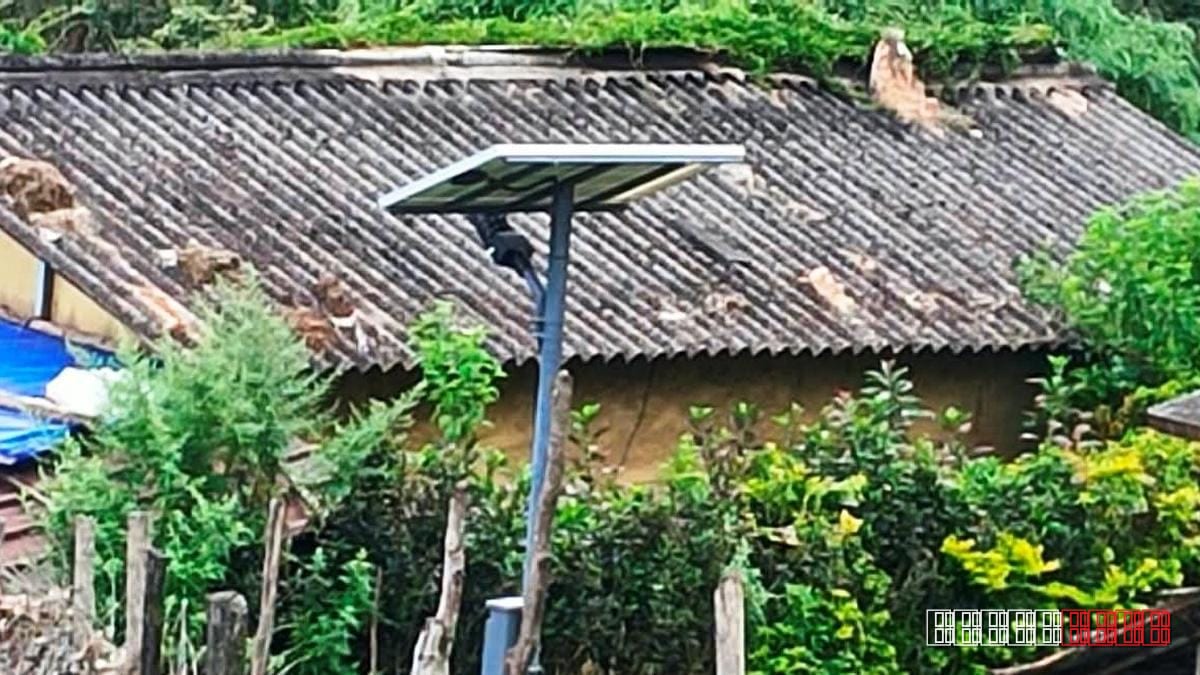
A lone valaimpura – a basic menstrual shelter – is the only facility available to tribal women and adolescent girls in a remote part of Kerala. The Hindu reported that the structure accommodates about 100 users but is described as being in a "pathetic" state, lacking basic sanitation and privacy.
Inside the shelter, women face cracked walls, insufficient lighting and no running water, forcing them to improvise with makeshift containers and unclean cloth. Such conditions make it difficult to maintain personal hygiene during menstruation, a factor known to increase the risk of urinary tract infections, bacterial vaginosis and other reproductive health problems.
The scarcity of adequate menstrual infrastructure is not an isolated issue. Across India, tribal communities often live in geographically isolated hamlets where government schemes struggle to reach. Kerala’s tribal population, estimated at around 1.2 million, has historically benefitted from higher literacy rates and health indicators, yet the provision of gender‑specific sanitation lags behind. National programs such as the Swachh Bharat Mission and Menstrual Hygiene Management (MHM) initiatives aim to improve access to clean facilities, but implementation gaps persist in hilly, forest‑covered districts where logistics are challenging.
Local officials have acknowledged the shortfall. The panchayat office in the district recently pledged to renovate the existing valaimpura and construct additional shelters, citing the need to align with state health guidelines. Non‑governmental organizations working on women’s health have also stepped in, offering training on reusable sanitary pads and advocating for community‑managed maintenance funds.
Health experts warn that without prompt action, the lack of hygienic spaces could exacerbate existing disparities in maternal and child health among tribal groups. Improving menstrual facilities is seen as a critical entry point for broader public‑health interventions, including nutrition programs and disease surveillance, that rely on community trust and participation.
The situation underscores a larger pattern: infrastructure that appears adequate on paper often fails to meet the lived realities of marginalized populations. Addressing the gap in menstrual sanitation for Kerala’s tribal women will require coordinated funding, culturally sensitive design, and sustained oversight to ensure that the promised upgrades translate into safe, dignified spaces for all users.
This report is based on original reporting by The Hindu. Read the original source →