Glacier Collapse Sparks Catastrophic Floods Across Nepal
A 2,000‑foot glacier burst unleashed a torrent that devastated villages, claimed lives and highlighted climate risks in the Himalayas.
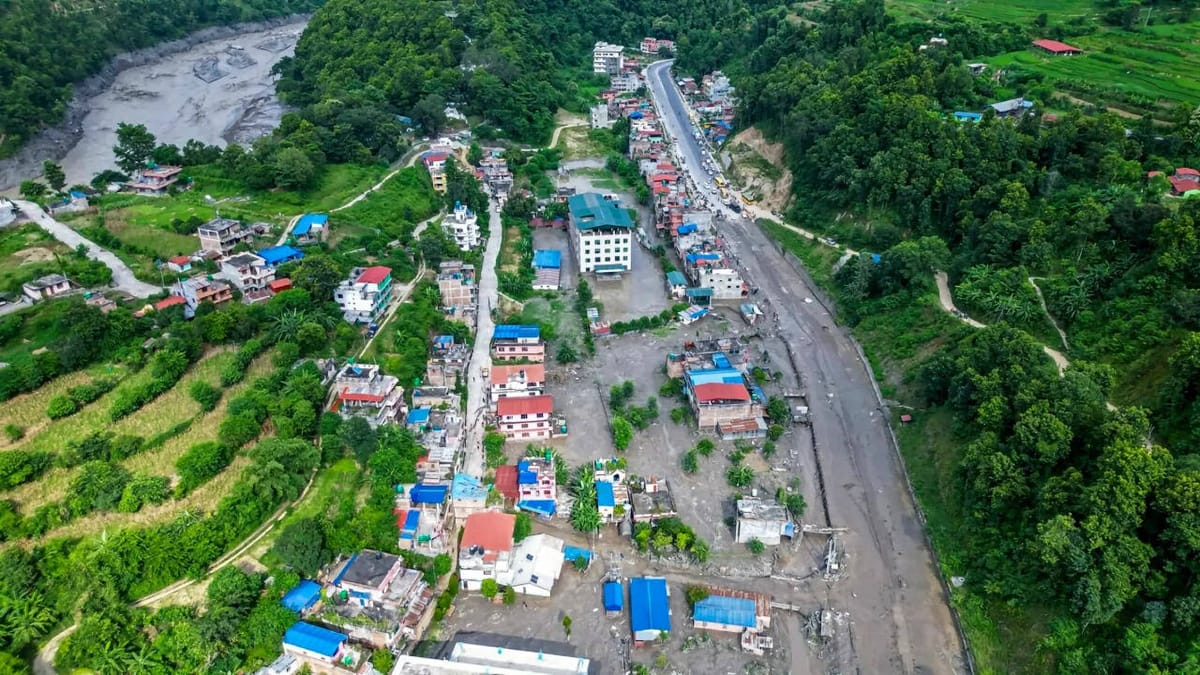
A massive glacier, roughly 2,000 feet wide, gave way in the high Himalayas earlier this week, sending a wall of water and debris racing down steep valleys in central Nepal. Residents described the event as sounding "like a bomb exploded," a stark illustration of the sudden power of the outburst.
The flood surged through remote hamlets before reaching larger settlements, sweeping away homes, bridges and agricultural fields. Initial estimates put the death toll in the dozens, with dozens more injured and thousands displaced. Emergency teams from the Nepalese army, local authorities and international aid groups converged on the affected districts, establishing temporary shelters and distributing food, clean water and medical supplies.
Hydrologists say the glacier’s rapid disintegration was likely accelerated by rising temperatures and irregular melt patterns, which have been linked to broader climate change trends in the region. The outburst created a glacial lake outburst flood (GLOF), a phenomenon that has become more frequent in the Himalayas as glaciers retreat and unstable moraine dams give way.
Local officials have begun assessing the damage to critical infrastructure, including roads that connect remote mountain communities to regional markets. The loss of several key bridges has isolated villages, complicating rescue and relief operations. Engineers are already planning temporary bypasses while longer‑term reconstruction will require substantial funding.
The disaster has reignited calls for stronger monitoring of Himalayan glaciers and the development of early‑warning systems. Scientists advocate for satellite‑based surveillance and community‑level alert mechanisms to give residents precious minutes to evacuate. As Nepal grapples with the immediate humanitarian response, the event serves as a stark reminder of the vulnerability of mountain societies to climate‑driven hazards.
International donors have pledged support, but coordination remains a challenge amid the rugged terrain and ongoing aftershocks of the flood. The coming weeks will test Nepal’s disaster‑response capacity and its ability to rebuild resiliently in the face of a warming planet.