Trump to unveil fresh drug pricing agreements with dozens of pharma firms
The upcoming announcements extend a policy that ties U.S. medication costs to lower international rates.
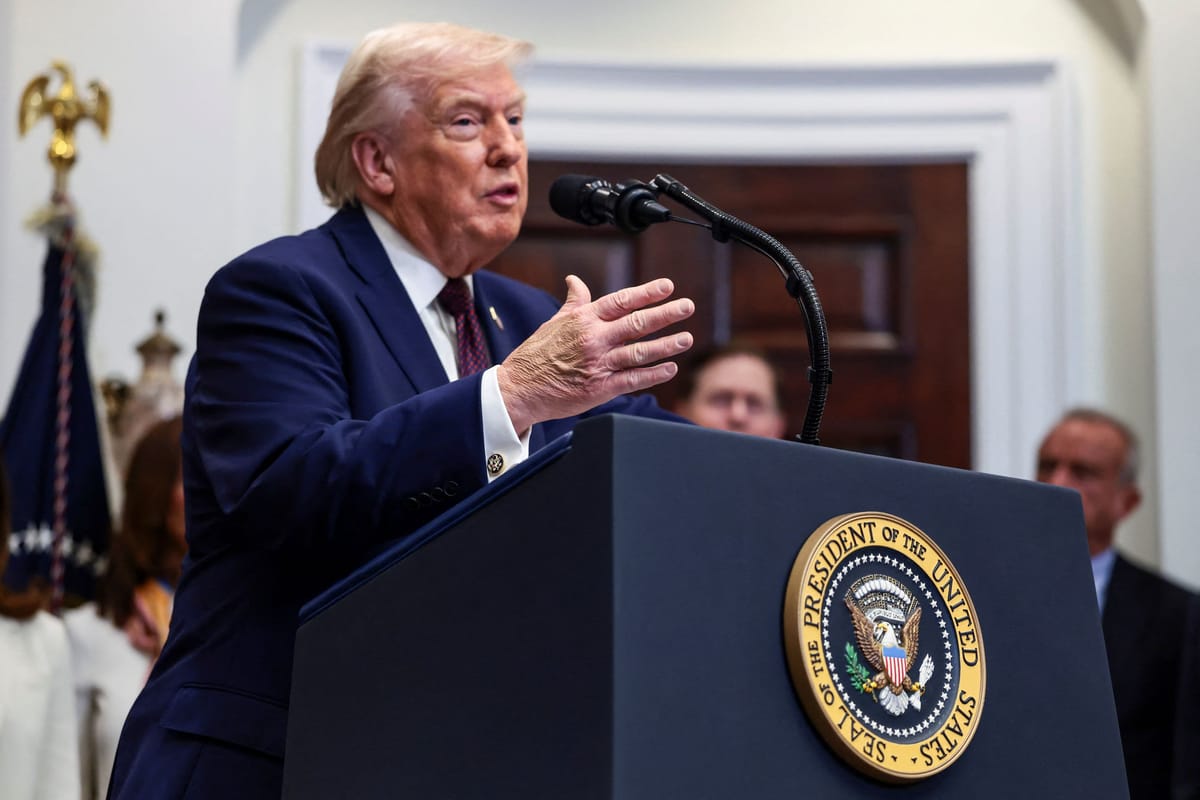
President Donald Trump is set to introduce a series of new agreements with roughly twelve pharmaceutical manufacturers aimed at lowering the price of prescription drugs in the United States. The initiative follows a broader strategy launched during his administration to benchmark American drug prices against those paid in foreign markets, a move intended to curb the nation’s historically high medication costs.
Under the proposed framework, participating drugmakers would agree to align the pricing of selected products with the lower rates observed in countries that negotiate more aggressively with manufacturers. By creating a reference point tied to overseas pricing, the administration hopes to pressure companies to reduce retail prices without compromising market access or innovation.
Industry analysts note that the approach mirrors earlier efforts to introduce price caps and importation pathways, yet it differs by focusing on voluntary agreements rather than legislative mandates. If successful, the deals could affect a wide range of therapeutic categories, from chronic disease treatments to specialty drugs, potentially delivering savings for millions of American consumers.
Critics of the policy argue that tying U.S. prices to foreign benchmarks may overlook differences in regulatory environments, market dynamics, and the cost of research and development. Supporters, however, contend that the high cost of prescription medicines remains a pressing public‑health concern, and that any mechanism to bring prices down is worth pursuing.
The upcoming announcements are expected to be made at a press event later this week, where the White House will detail the specific companies involved and the scope of the pricing adjustments. While the exact terms of each agreement remain confidential, officials have indicated that the deals are designed to be transparent and enforceable, with periodic reviews to assess their impact on both consumers and the pharmaceutical sector.
Should the agreements hold, they may set a precedent for future administrations seeking to balance drug affordability with industry sustainability, marking a notable shift in how the United States approaches pharmaceutical pricing policy.