US Tariff Threats Rise Over Alleged Coupang Discrimination
Congressional concerns about unfair treatment of the US‑listed e‑commerce firm have sparked fresh tariff pressure on South Korea, deepening bilateral tensions.
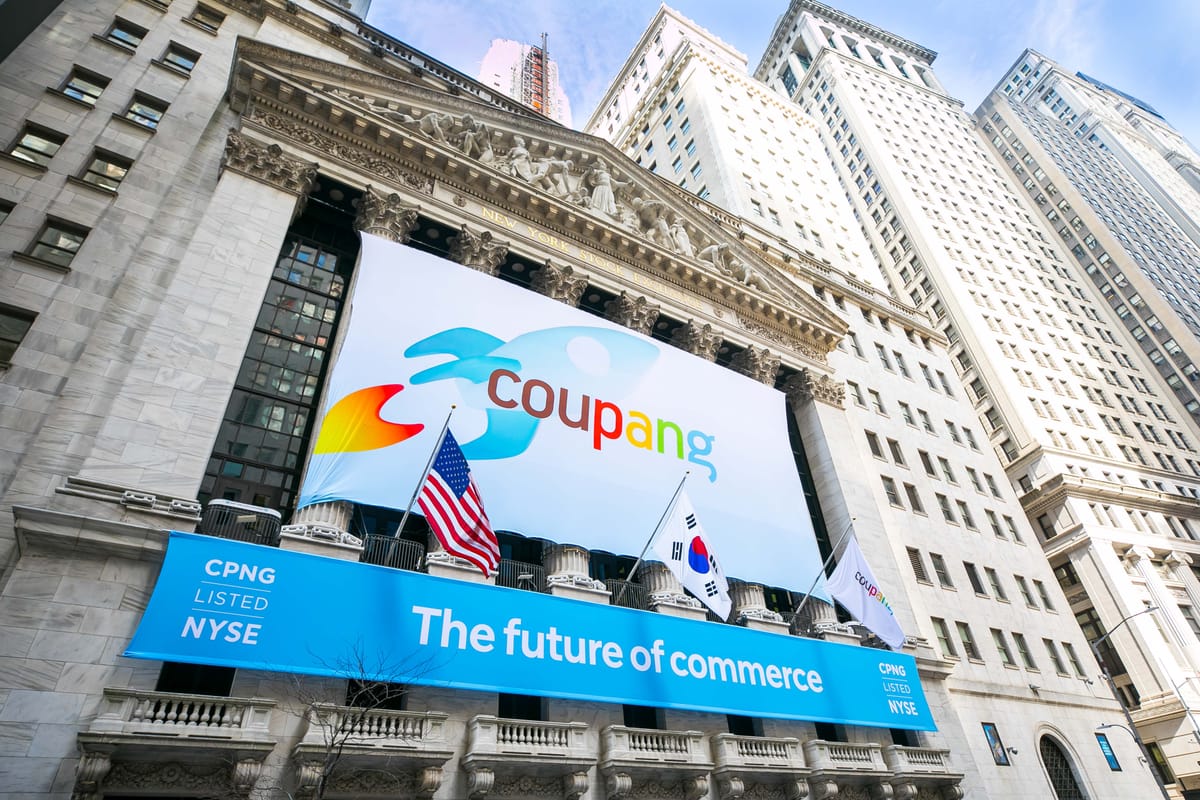
South Korean officials have rejected recent U.S. congressional claims that the country is discriminating against Coupang, the Seoul‑based e‑commerce platform listed on the New York Stock Exchange. The dismissal comes as members of Congress threaten to impose new tariffs on South Korean imports unless the alleged bias is addressed, a development that is widening the rift between the two allies.
Coupang, which operates a massive logistics network across Korea and has expanded its footprint in the United States, has become a flashpoint in the broader discussion of trade fairness. Lawmakers argue that South Korean policies give domestic firms preferential treatment, putting US‑based subsidiaries like Coupang at a disadvantage. In response, South Korean authorities have called the accusations “unfounded” and said they are committed to a level playing field for all foreign investors.
The tariff discussion is part of a larger U.S. effort to confront perceived trade imbalances with Asian partners. While no specific duties have been announced, the threat alone is enough to raise concerns among South Korean exporters, who fear that new levies could hit key sectors such as electronics, automobiles and steel. Analysts note that any escalation could ripple through supply chains that already navigate complex customs regimes.
Both governments have signaled a willingness to dialogue. U.S. trade officials have indicated that a resolution could be reached through bilateral talks, while South Korean ministries have pledged to review the allegations and provide evidence of non‑discriminatory practices. The outcome may set a precedent for how emerging tech firms with cross‑border operations are treated under existing trade agreements.
For Coupang, the dispute adds uncertainty to its growth strategy. The company has been investing heavily in U.S. fulfillment centers and marketing, counting on its dual‑listing status to attract capital. Prolonged tariff threats could affect its cost structure and investor confidence, underscoring how geopolitical frictions can quickly translate into corporate challenges.
The situation remains fluid, with both sides monitoring developments closely. As Congress pushes forward with its tariff agenda, South Korea’s response will likely shape the next phase of U.S.–Korea trade relations, influencing not only e‑commerce but also the broader economic partnership between the two nations.