Government seeks two‑year grace period to enforce OBC creamy‑layer ruling
India’s centre has approached the Supreme Court for a prospective implementation window after the court’s recent verdict on the OBC creamy‑layer ceiling.
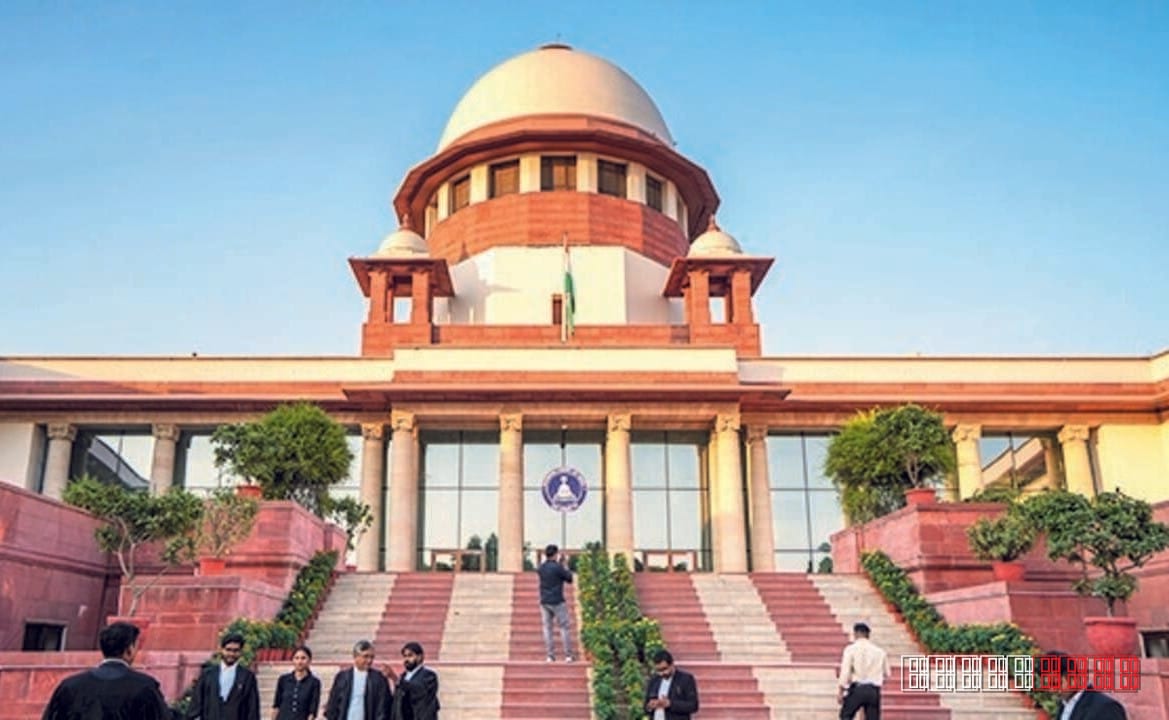
The Union government has filed a petition before the Supreme Court asking for a two‑year window to put into effect the court’s latest decision on the "creamy layer" ceiling for Other Backward Classes (OBCs). According to the Times of India, the centre argues that an immediate rollout would strain administrative machinery and could disrupt ongoing admissions and recruitment processes across the country.
In its filing, the government seeks a prospective application of the verdict, meaning that the ruling would apply only to cases and admissions occurring after the grace period expires. The petition requests that the apex court grant a two‑year period during which state and central bodies can revise their lists, update income‑verification mechanisms, and train officials on the new parameters.
The "creamy layer" concept, introduced by the 1995 amendment to the OBC reservation policy, excludes OBC individuals whose family income exceeds a prescribed limit from benefiting under reservation quotas. The ceiling has been periodically raised to reflect inflation, most recently to Rs 8 lakh per annum. In 2024, the Supreme Court upheld the principle but questioned the adequacy of the current threshold, prompting the present implementation challenge.
Reservation policies for OBCs affect millions of students and job aspirants, as well as a host of state‑run institutions. A sudden change in eligibility criteria could lead to legal disputes, re‑allocation of seats, and uncertainty for candidates already in the admission pipeline. By seeking a phased rollout, the centre hopes to minimise litigation and give universities, colleges, and government departments time to adjust their databases and grievance‑redress mechanisms.
The Supreme Court’s response will shape how quickly the revised creamy‑layer limit becomes operational nationwide. If granted, the two‑year window could set a precedent for future policy adjustments requiring judicial endorsement. Conversely, a denial may force an immediate compliance, potentially triggering a surge of petitions from affected institutions and individuals. The outcome will be closely watched by policymakers, educational bodies, and civil‑society groups monitoring reservation equity.
This report is based on original reporting by Times of India. Read the original source →