Hall of Fame trims selector pool and ends seniors ballot
The Pro Football Hall of Fame announced a streamlined voting system, cutting the number of selectors and dissolving the separate Seniors category.
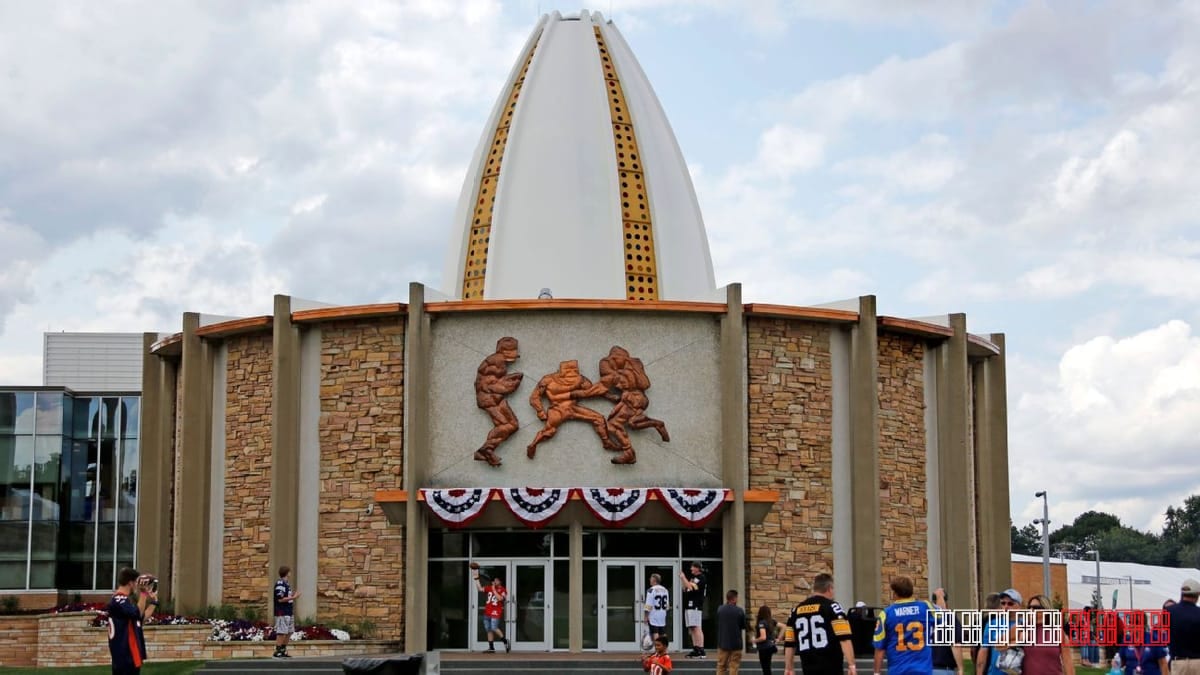
The Pro Football Hall of Fame revealed a major overhaul of its induction voting system, slashing the pool of selectors and doing away with the distinct Seniors ballot, ESPN reported. The new framework reduces the voting committee from roughly 60 members to about 30, concentrating decision‑making among a tighter group of former players, coaches and executives. In addition, the Hall will no longer hold a separate election for candidates who retired more than 25 years ago, merging them into the main ballot.
Under the previous arrangement, the Hall of Fame employed a three‑tiered process: a preliminary screening committee, a larger selection committee, and a dedicated Seniors committee that evaluated older candidates. Critics argued that the layered system created opacity and inconsistencies, with some worthy veterans slipping through the cracks. By consolidating the process, the Hall hopes to achieve greater transparency and a more uniform standard for all inductees.
The changes come after years of debate within the NFL community. Historically, the Hall of Fame has faced scrutiny over perceived biases, such as the over‑representation of certain eras or positions. The Seniors category, introduced in 1999, was intended to give overdue recognition to early‑era players, but its separate existence sometimes led to delayed inductions and confusion among fans. Streamlining the process aligns the Hall with other major sports institutions that use a single, unified voting body.
Stakeholders are watching closely to see how the new system impacts future classes. A smaller selector group could mean faster consensus, but it also raises concerns about reduced diversity of opinion. Former Hall of Fame members and analysts have pledged to monitor the outcomes and ensure that the revised method does not sideline deserving candidates from less‑publicized backgrounds.
The Hall of Fame’s leadership emphasized that the overhaul aims to preserve the prestige of induction while adapting to modern expectations of fairness and clarity. The first class elected under the new rules is slated for the upcoming summer ceremony, offering a real‑world test of whether the streamlined approach will enhance the credibility of football’s highest honor.
This report is based on original reporting by ESPN. Read the original source →