Hawaii Turns Invasive Axis Deer Into Sustainable Venison Amid Ecological Crisis
A growing herd of non‑native axis deer is reshaping Maui’s landscape, prompting a local company to harvest the animals for meat instead of fighting a costly eradication battle.
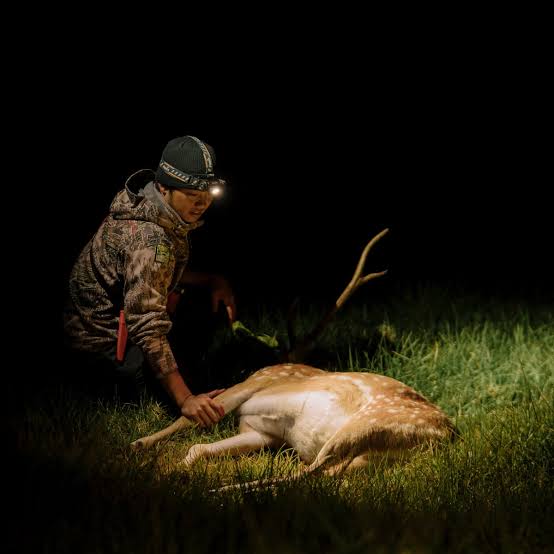
The island of Maui is grappling with a wildlife dilemma that began more than a century ago. In 1868, eight axis deer—native to South Asia—were presented as a royal gift to King Kamehameha V. The species later arrived on Maui in the 1950s, when hunters imported them for sport. Today, roughly 60,000 axis deer roam the islands of Lanai, Maui and Molokai, forming large herds that breed throughout the year, unlike the seasonal cycles of North America’s white‑tailed deer.
These constantly reproducing animals are causing significant ecological damage. They graze on native grasses and several endangered plant species, often stripping vegetation down to the roots. The resulting barren patches leave the soil vulnerable to erosion and diminish habitats for native birds and insects. Their ability to leap over ten‑foot fences means they frequently breach farm enclosures, devouring crops and the feed needed for the islands’ modest beef industry.
Rather than pursuing an expensive culling program, a Maui‑based operation called Maui Nui Venison has adopted a different approach: turning the invasive herd into a marketable product. The company harvests deer in a regulated manner, processes the meat into premium cuts, and sells it to restaurants and consumers seeking locally sourced, low‑impact protein. By creating a commercial incentive, the venture hopes to curb the deer population while providing an alternative to imported beef.
Environmental groups acknowledge that the initiative does not solve the problem entirely, but they see value in a strategy that aligns economic interests with conservation goals. The harvested meat also offers a unique culinary experience, described by chefs as tender and mildly sweet, reflecting the animal’s diet of tropical foliage. As the island searches for a balance between protecting its fragile ecosystems and supporting its agricultural community, the axis deer‑to‑venison model may become a template for other regions facing similar invasive‑species challenges.