Health of Detained Tunisian Flotilla Activists Deteriorates, Families Report
Families of activists say worsening conditions and hunger strikes underscore growing anguish over prolonged detention.
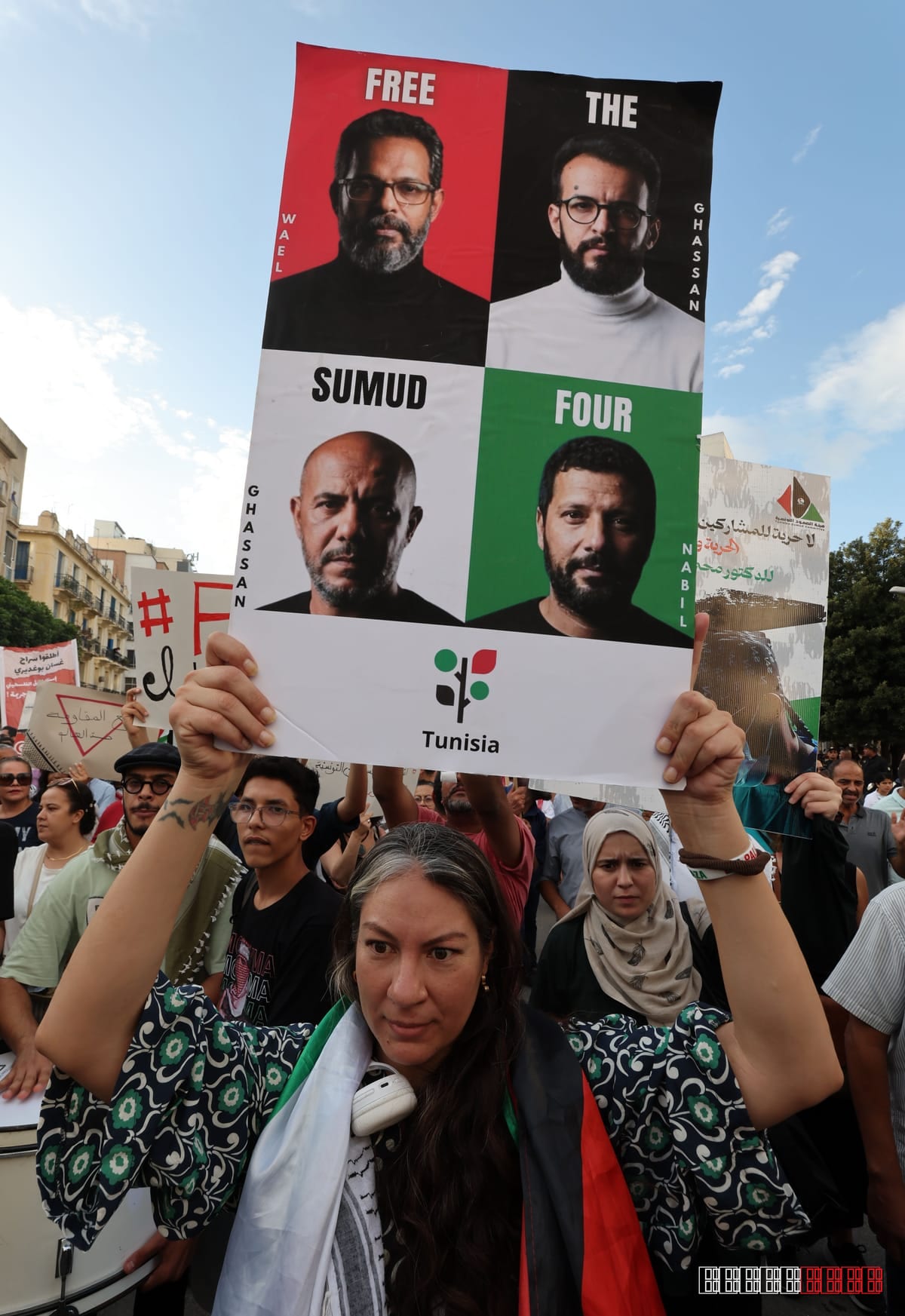
Tunisian activists who were seized while attempting to join a humanitarian flotilla in the Mediterranean are experiencing a rapid decline in health, according to Al Jazeera. Their families, still awaiting any news, describe a situation marked by hunger strikes, limited medical care and the emotional strain of being separated from loved ones.
Al Jazeera reported that several detainees have shown signs of severe malnutrition and untreated illnesses, prompting relatives to launch public appeals for medical assistance. One family member said the activists have been denied regular visits, leaving them to endure prolonged periods without food or water as a form of protest against their confinement.
The flotilla, organized by a coalition of Tunisian NGOs and volunteer sailors, set out in early September to rescue migrants attempting dangerous crossings from North Africa to Europe. Such missions have become flashpoints in the region, as governments often view them as illegal operations that challenge national border policies. Activists argue that their efforts are a humanitarian response to the ongoing migrant crisis, while authorities contend that the vessels violate maritime and immigration regulations.
Human‑rights groups have repeatedly warned that Tunisia’s legal framework allows for extended pre‑trial detention on vague security grounds, a practice that has drawn criticism from the United Nations and the European Union. Past cases involving similar activists have seen delayed court hearings and limited access to legal counsel, raising concerns about due‑process violations.
The families of the detained activists are now pressing both Tunisian officials and international bodies for urgent intervention. They have called on the Tunisian Ministry of Health to provide immediate medical examinations and on the United Nations High Commissioner for Refugees to monitor the situation. If the activists’ health continues to deteriorate, the case could become a rallying point for broader campaigns demanding the release of political prisoners and the protection of humanitarian workers in the Mediterranean.
The unfolding drama highlights the fragile balance between state security measures and the right to humanitarian action, a tension that has intensified as migration flows persist across the sea.
This report is based on original reporting by Al Jazeera. Read the original source →