Historic England pushes for stricter development rules around the Tower of London
The heritage body has asked the City of London Corporation to amend its draft City Plan to better shield the historic fortress from new construction.
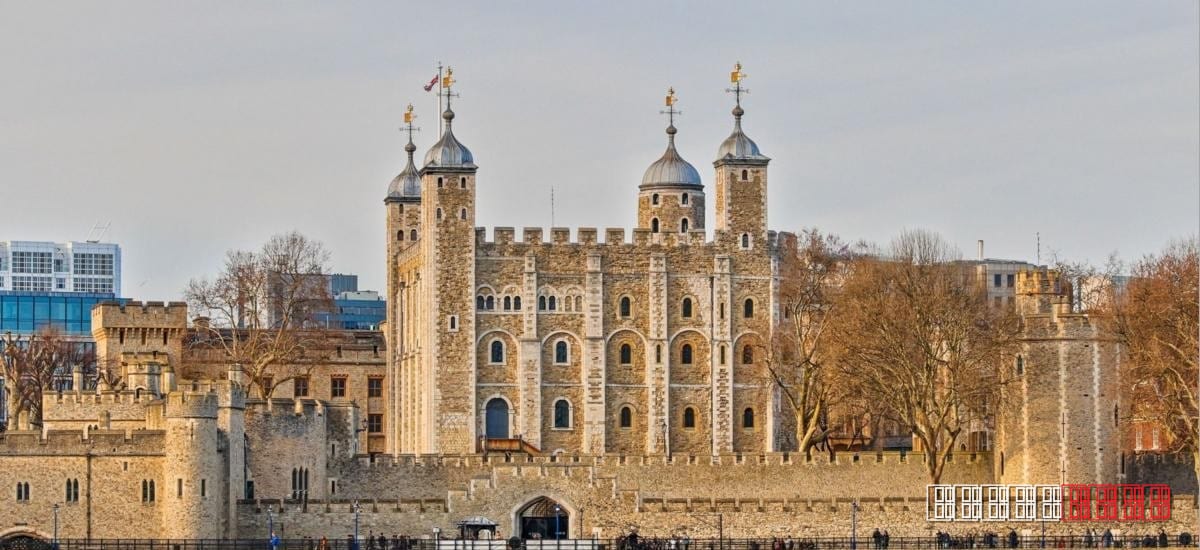
BBC News reported that Historic England is formally requesting amendments to the City of London Corporation’s draft City Plan, specifically to tighten controls on where new development can occur near the Tower of London. The heritage agency argues that the current draft leaves too much room for high‑rise projects that could compromise the visual and structural integrity of the UNESCO‑listed site.
The Tower, a former royal palace and prison that now draws millions of tourists each year, sits on a narrow strip of the Thames’ north bank. Its iconic silhouette is a key element of London’s skyline, and any encroaching buildings could diminish both its historic setting and the city’s cultural appeal. Historic England’s proposal would introduce a protective buffer zone, limiting the height and footprint of future structures within a defined radius.
City planners have long balanced the need for economic growth with heritage preservation. The draft City Plan, due for adoption later this year, outlines where new offices, residential blocks and mixed‑use schemes may be built across the Square Mile. While the plan aims to accommodate the capital’s housing shortage and commercial demand, critics say it does not sufficiently safeguard sites of national importance. Historic England’s intervention is part of a broader pattern of heritage bodies influencing urban policy, especially after recent controversies over high‑rise towers near historic landmarks in other parts of the UK.
If the Corporation adopts the recommended changes, developers would face stricter design reviews and possibly higher costs to ensure compliance with the new buffer. Conversely, preserving the Tower’s setting could bolster tourism revenue and maintain the area’s character, a factor that local businesses and residents have voiced support for in public consultations.
The City of London Corporation has not yet responded publicly to the request. The draft plan is expected to be debated by the London Assembly and may be revised before the final version is submitted to the Greater London Authority for approval. Stakeholders, including heritage groups, developers, and community organisations, will likely continue to lobby for a compromise that protects the Tower while allowing sensible growth.
Historic England’s appeal underscores the ongoing tension between development pressures and heritage conservation in one of the world’s most built‑up capitals. The outcome will set a precedent for how future projects near protected sites are evaluated across the United Kingdom.
This report is based on original reporting by BBC News. Read the original source →