ICC officials decry moves to weaken global justice system
Top judges of the International Criminal Court warned that recent political actions threaten the court's ability to uphold the rule of law worldwide.
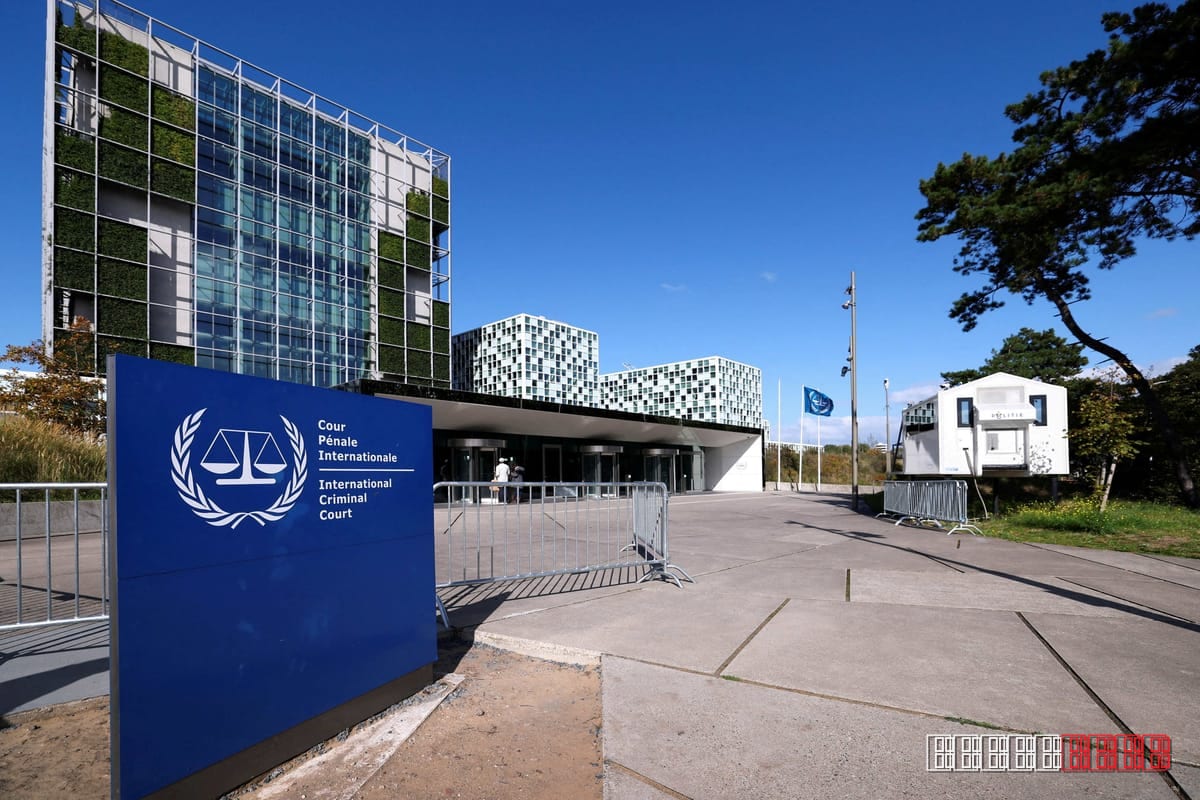
Leaders of the International Criminal Court (ICC) have publicly denounced a series of political initiatives they say are designed to isolate the court and erode the global rule of law. In a joint statement released on Monday, senior ICC officials warned that such moves jeopardise the court’s capacity to prosecute the gravest crimes, from genocide to war crimes, and undermine the legal framework that holds perpetrators accountable.
According to Al Jazeera, the ICC’s president and several vice‑presidents emphasized that recent legislative proposals in a number of countries aim to curtail cooperation with the court, restrict the execution of arrest warrants, and even consider withdrawing from the Rome Statute altogether. The statement described these actions as “systematic attempts to dismantle the international legal order that the ICC was created to protect.”
The criticism comes amid growing friction between the court and several powerful states. In the United States, a bipartisan bill introduced in Congress seeks to limit the government’s ability to share intelligence with the ICC and to prohibit the enforcement of its warrants. Meanwhile, Russia, which has never ratified the Rome Statute, has intensified its diplomatic campaign urging other nations to follow its lead and question the court’s legitimacy. Smaller nations in Africa and the Middle East have also voiced concerns about perceived bias in the court’s case selection, prompting some to reconsider their financial contributions.
Established in 2002, the ICC was the first permanent, treaty‑based court with jurisdiction over individuals accused of the most serious international crimes. Its mandate was to complement national courts, stepping in only when domestic systems are unwilling or unable to prosecute. Over the past two decades, the court has delivered landmark verdicts, including convictions for war crimes in the Democratic Republic of Congo and for crimes against humanity in Afghanistan. However, its authority has always depended on the willingness of states to cooperate, supply evidence, and enforce arrest warrants.
If the current wave of isolationist policies gains traction, the ICC could face a funding shortfall and a loss of enforcement power, potentially emboldening violators who count on diplomatic protection. Legal scholars warn that weakening the court may set a precedent for other multilateral institutions, eroding the broader architecture of international law. The ICC’s leadership, therefore, is urging member states and civil society to reaffirm their commitment to the court, arguing that abandoning it would signal a retreat from the post‑World‑War II consensus on universal accountability.
The coming months will test whether the international community can rally around the ICC or allow political expediency to reshape the landscape of global justice.
This report is based on original reporting by Al Jazeera. Read the original source →