Icelandic foreign minister rebukes Netanyahu’s “moral coward” jab
Iceland’s foreign minister condemned Israeli Prime Minister Benjamin Netanyahu’s criticism of diplomats who exited his UN General Assembly speech, calling the remarks unfounded.
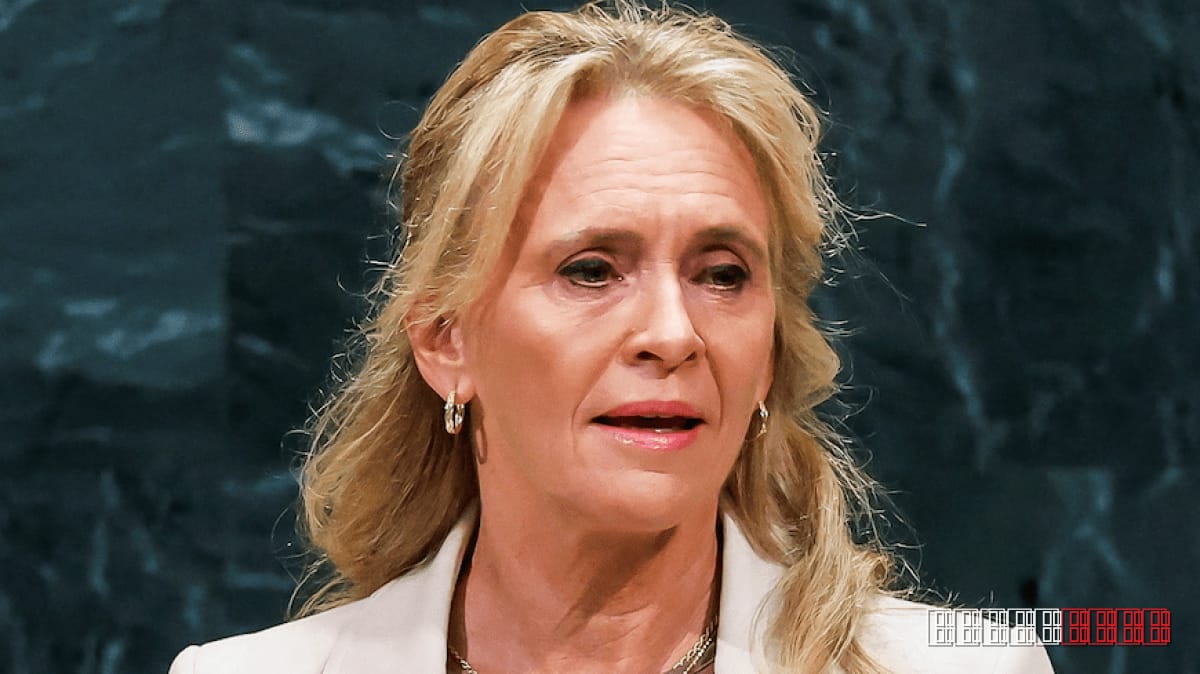
Iceland’s foreign minister, Þórdís Kolbrún R. Gylfadóttir, pushed back sharply after Israeli Prime Minister Benjamin Netanyahu labeled the diplomats who left his United Nations General Assembly address as “moral cowards.” Al Jazeera reported that the Israeli leader made the comment during his speech on the conflict in Gaza, accusing the departing representatives of abandoning their ethical responsibilities.
Gylfadóttir responded in a televised briefing, saying the Israeli premier’s accusation was “baseless” and that the walk‑out was a legitimate expression of dissent over Israel’s actions in Gaza. She added that labeling diplomats as cowards undermined the spirit of multilateral dialogue that the UN is meant to foster. The Icelandic minister’s remarks were quoted by Al Jazeera as a defense of the right of diplomats to protest through peaceful protest.
The walk‑out itself was part of a broader pattern at this year’s UNGA, where several delegations left the podium when Netanyahu defended Israel’s military operations in the occupied territories. Since the escalation of hostilities in October 2023, the United Nations has become a focal point for heated exchanges, with many countries using the forum to call for cease‑fires and humanitarian aid. Diplomatic exits are a symbolic tactic, signalling disapproval without breaking formal diplomatic ties. Historically, such gestures have been employed during contentious speeches on topics ranging from the Iraq invasion to the Syrian civil war.
Netanyahu’s “moral coward” comment reflects a growing frustration in Israel’s leadership over what it perceives as coordinated international pressure. However, experts note that public rebukes from smaller states like Iceland are unlikely to shift the overall diplomatic calculus but do reinforce the narrative that the UN remains a contested arena for moral debate. The incident underscores how language at high‑profile gatherings can quickly become a flashpoint, influencing media narratives and public opinion worldwide.
While the immediate fallout appears limited to verbal sparring, the episode illustrates the delicate balance diplomats must maintain between expressing condemnation and preserving channels for dialogue. As the conflict in Gaza continues to dominate headlines, the UNGA will likely see further protests and counter‑remarks, keeping the international community’s attention focused on the humanitarian and political dimensions of the war.
This report is based on original reporting by Al Jazeera. Read the original source →