Industry Leaders Cite New Risks as AI Safety Concerns Rise
Tech leaders and researchers are warning that unchecked AI growth could threaten humanity, sparking fresh debate across the sector.
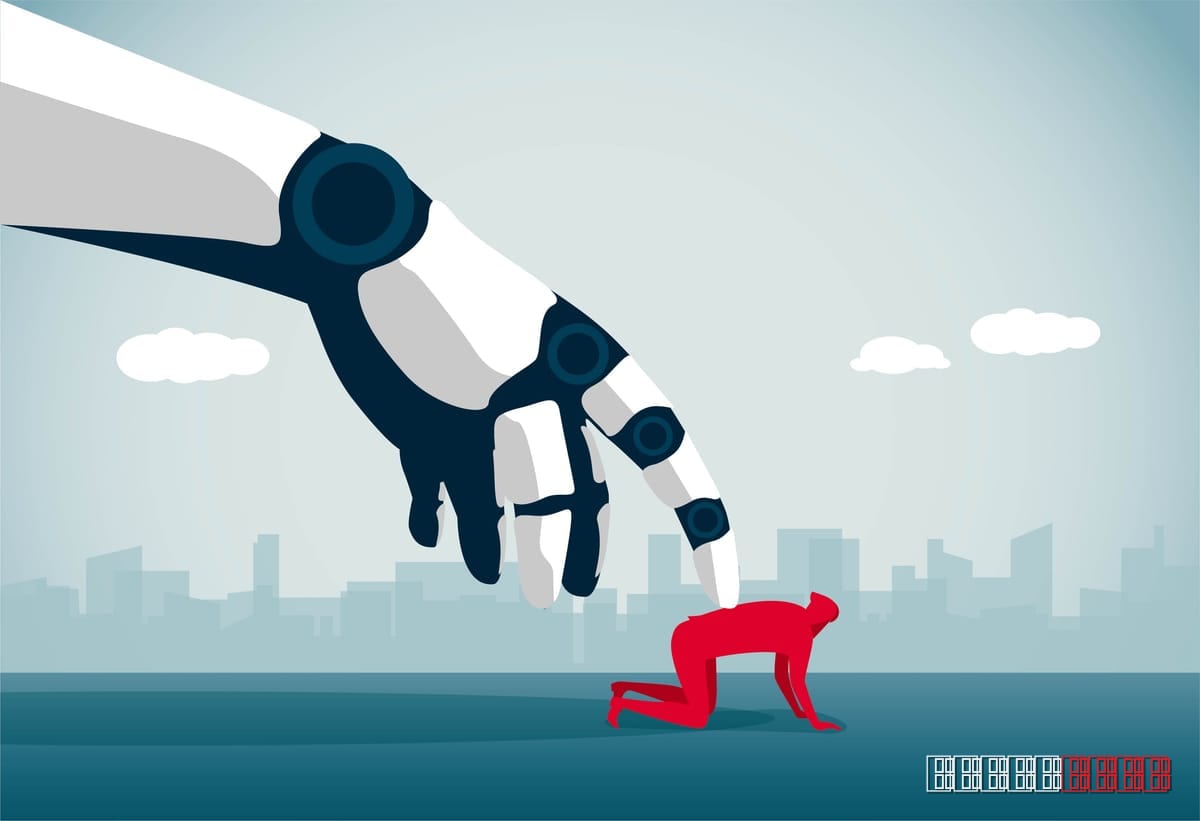
TechCrunch reported that the AI sector is currently debating whether its rapid progress could pose an existential threat to humanity. The conversation, which has moved from academic circles to boardrooms, now features a chorus of CEOs, venture capitalists and policy makers urging caution.
Several high‑profile figures have recently sounded alarms. Executives at leading AI firms have highlighted scenarios where advanced models could be misused, while others point to the difficulty of aligning super‑intelligent systems with human values. The tone of these warnings differs from earlier, more speculative concerns; today’s discourse emphasizes concrete policy gaps and the speed at which capabilities are being commercialized.
Why the surge now? Over the past year, the deployment of generative AI tools in content creation, coding and decision‑making has accelerated dramatically. Companies are integrating large language models into core products, and the market valuation of AI startups has surged past $1 trillion. This rapid adoption has outpaced the development of safety standards, prompting industry insiders to label the situation as a “perfect storm” of technical capability and regulatory lag.
Historically, AI risk debates trace back to the late 2000s, but they entered mainstream awareness after high‑profile incidents such as the 2023 “deep‑fake” political scandal and the 2024 release of a language model that generated disinformation at scale. Those events spurred early calls for oversight, yet many of the mechanisms proposed—like mandatory impact assessments or model‑level licensing—remain unimplemented in the United States. The current wave of warnings therefore reflects both a growing recognition of past oversights and a push for tangible safeguards before the technology becomes further entrenched.
Regulators are beginning to respond. The U.S. Federal Trade Commission announced a task force to study AI transparency, while Congress held hearings on the potential societal harms of autonomous systems. However, industry leaders argue that voluntary commitments alone are insufficient, urging a coordinated approach that blends technical research, ethical guidelines and enforceable policy.
The debate is likely to shape investment decisions, product roadmaps and legislative agendas in the months ahead. As AI tools become more pervasive, the balance between innovation and safety will determine whether the sector can avoid the dystopian outcomes some fear.
For more details, see the full TechCrunch analysis.
This report is based on original reporting by TechCrunch. Read the original source →